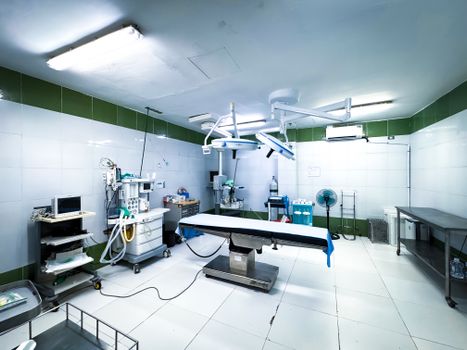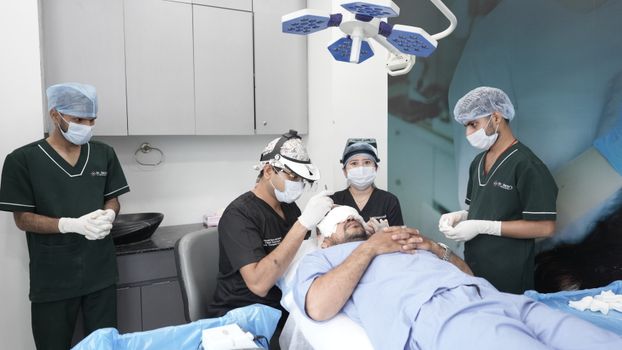
Mumbai’s global reputation as a leading destination for healthcare tourism is built on the city’s advanced medical infrastructure, internationally accredited hospitals, and a wide array of specialized treatments. Yet, beneath the surface of this high-tech, cosmopolitan healthcare hub lies a human factor that is often underestimated but absolutely vital: effective communication. For thousands of international patients flocking to Mumbai each year, bridging linguistic and cultural divides is crucial for a positive medical experience. This is where medical interpreters step in, playing a pivotal role in facilitating seamless interactions between healthcare providers and global patients.
The Growing Need for Medical Interpreters in Mumbai’s Healthcare Tourism
Mumbai’s medical tourism industry is booming. According to the Ministry of Tourism, India welcomed over 697,000 medical tourists in 2019, with Mumbai accounting for nearly 25% of these arrivals. Patients come from countries as diverse as Bangladesh, Kenya, Russia, Oman, and the United Arab Emirates, seeking treatments ranging from cardiac surgery to organ transplants. Each patient brings their own language, dialect, and cultural background, which can make navigating the healthcare system challenging.
A 2023 survey by the Federation of Indian Chambers of Commerce & Industry (FICCI) found that 62% of international patients cited language barriers as a major concern when seeking medical care in India. For Mumbai, a city where over 16 languages are spoken daily, the risk of miscommunication is significant. Medical interpreters have thus become not just a convenience, but a necessity for safe, effective, and patient-centered healthcare delivery.
What Do Medical Interpreters Do?
Medical interpreters are specially trained professionals who facilitate communication between patients and healthcare providers who do not share a common language. Unlike general translators, medical interpreters possess specific knowledge of medical terminology, procedures, and the sensitive nuances of healthcare communication.
Their responsibilities include: - Accurately translating patient histories, symptoms, and concerns to doctors - Explaining diagnoses, treatment options, and consent forms to patients - Clarifying post-operative care instructions - Assisting in emergency situations where clear and rapid communication is critical - Respecting patient confidentiality and adhering to ethical guidelinesA study published in the International Journal of Translation and Interpreting Research in 2022 found that the use of trained medical interpreters in hospitals reduced medical errors by up to 47% and increased patient satisfaction scores by 30%. In Mumbai’s high-stakes medical tourism sector, such outcomes are crucial for maintaining the city’s reputation as a safe and reliable healthcare destination.
Common Languages and Cultural Challenges in Mumbai’s Medical Tourism
Mumbai’s healthcare providers routinely serve patients from over 40 countries. While English is widely spoken in the city’s hospitals, many patients are more comfortable discussing their health in their native tongues. Some of the most commonly requested interpretation languages include Arabic, Russian, Swahili, Bengali, French, and Mandarin.
Beyond words, interpreters must also navigate complex cultural differences that can impact patient care. For example: - Some cultures may be hesitant to discuss mental health openly. - Dietary restrictions or religious beliefs may affect treatment options. - Family involvement in medical decisions can vary significantly across cultures.Medical interpreters serve as cultural brokers, helping both patients and doctors understand these nuances. As Dr. Shreya Mehta, a senior physician at a leading Mumbai hospital, notes, “A medical interpreter isn’t just a language expert—they are a bridge between worlds. They help us understand not just what our patients are saying, but what they truly mean.”
Training and Certification: Ensuring Quality in Interpretation
With the stakes so high, quality assurance is essential. Mumbai’s top hospitals and medical tourism facilitators increasingly demand interpreters with formal training and certification. While India does not yet have a national licensing body for medical interpreters, many professionals hold credentials from organizations such as:
- International Medical Interpreters Association (IMIA) - Certification Commission for Healthcare Interpreters (CCHI) - National Board of Certification for Medical Interpreters (NBCMI) - Specialized language institutes in Mumbai and DelhiTraining programs typically cover:
- Medical terminology in both source and target languages - Confidentiality and ethical standards (e.g., HIPAA compliance for US patients) - Cultural competency - Real-time interpreting skills in clinical and emergency settingsAdditionally, some Mumbai hospitals offer in-house interpreter training, focusing on the most common languages in their patient demographic.
Comparing Interpretation Services in Mumbai: In-Person vs. Remote
With the growth of telemedicine and the global reach of Mumbai’s hospitals, interpretation services have expanded beyond traditional face-to-face encounters. Today, patients and providers can access both in-person and remote (video or phone) interpreting. Each has its own advantages and drawbacks, outlined in the table below:
| Service Type | Advantages | Disadvantages | Best For |
|---|---|---|---|
| In-Person Interpretation | - Personal connection - Easier to read non-verbal cues - Ideal for sensitive discussions |
- Limited by interpreter availability - May increase wait times |
Complex procedures, emotional or end-of-life care |
| Remote (Video/Phone) Interpretation | - Instant access to rare languages - Reduces scheduling delays - Useful for telemedicine |
- May miss body language cues - Technical issues possible |
Routine consultations, follow-ups, rare languages |
A 2021 report by the Indian Medical Association highlighted that 58% of Mumbai hospitals now offer some form of remote interpretation, a figure that has doubled since 2018. This trend is expected to accelerate, especially for follow-up care and virtual second opinions.
Case Studies: Real-World Impact of Medical Interpreters in Mumbai
The contribution of medical interpreters in Mumbai is best illustrated through real-world examples:
Case 1: A 43-year-old patient from Sudan arrived in Mumbai for a kidney transplant. Unfamiliar with Hindi or English, he relied on an Arabic-speaking interpreter not only to communicate with his surgeons but also to understand crucial post-operative care instructions. The interpreter also mediated conversations about dietary restrictions, ensuring his recovery diet adhered to both medical and cultural requirements.
Case 2: A Russian family seeking pediatric cardiology care faced challenges understanding complex medical jargon. A Russian medical interpreter enabled the family to ask questions, understand risks and outcomes, and participate actively in care decisions, leading to a more positive experience and a quicker recovery for their child.
These stories are not isolated. In a 2022 survey conducted by Mumbai’s Association of Medical Tourism Facilitators, 78% of international patients who used interpreter services rated their hospital experience as “excellent,” compared to 53% among those who did not have access to an interpreter.
Future Trends: How Medical Interpretation Is Evolving in Mumbai
As Mumbai’s medical tourism sector continues to expand, the demand for skilled medical interpreters is set to rise. Several trends are shaping the future of this profession:
1. $1: While human interpreters remain essential for accuracy and empathy, AI-powered translation tools are being used to supplement services, especially for routine documentation and initial consultations. 2. $1: Hospitals are investing in interpreters for less common languages, reflecting the growth in patient diversity. Languages like Somali, Uzbek, and Amharic are seeing increased demand. 3. $1: Efforts are underway to establish standardized certification and oversight for medical interpreters in India, ensuring consistent quality across providers. 4. $1: As remote consultations become the norm, interpreters are increasingly participating in telemedicine sessions, helping Mumbai hospitals reach patients in their home countries before, during, and after treatment.Final Thoughts on the Importance of Medical Interpreters in Mumbai’s Healthcare Tourism
Medical interpreters are the unsung heroes of Mumbai’s healthcare tourism industry. By ensuring clear, compassionate, and culturally sensitive communication, they help bridge gaps that could otherwise compromise patient safety and satisfaction. As Mumbai continues to welcome a growing number of international patients, investing in high-quality interpretation services will be central to maintaining the city’s status as a world-class healthcare destination.
From reducing medical errors to enhancing patient trust and comfort, the role of medical interpreters is both practical and profound. For patients and providers alike, these professionals are the key to turning linguistic diversity from an obstacle into an asset, making Mumbai’s promise of global healthcare excellence a reality for all.