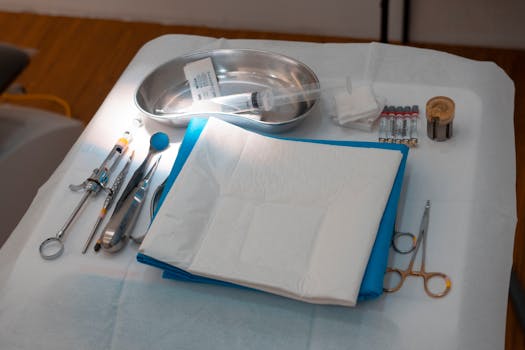
Preparing for a medical procedure, whether minor or major, can be a daunting experience—especially in a bustling metropolis like Mumbai. With its world-renowned hospitals, highly trained medical professionals, and state-of-the-art technology, Mumbai attracts thousands of patients from across India and abroad every year. While the city offers excellent medical care, navigating the logistics of a procedure here requires careful planning. From pre-procedure checklists to understanding hospital protocols and post-care arrangements, being well-prepared can reduce anxiety and ensure a smoother experience. This article dives deep into practical, actionable tips for anyone preparing for a medical procedure in Mumbai, focusing on aspects that are often overlooked but crucial for a positive outcome.
Understanding Hospital Protocols in Mumbai
Every hospital in Mumbai, whether government-run or private, follows a structured set of protocols to ensure patient safety and operational efficiency. Familiarizing yourself with these protocols before your procedure can help you avoid last-minute surprises.
First, most top hospitals in Mumbai, such as Kokilaben Dhirubhai Ambani Hospital, Lilavati Hospital, and Apollo Hospitals, require advanced booking for elective procedures. According to a 2023 survey by the Association of Hospitals in Mumbai, 82% of patients reported smoother admissions when all paperwork and payments were completed at least three days before the procedure.
Security and visitor policies are also stringent, especially post-pandemic. Many hospitals now issue visitor passes, restrict the number of attendants, and conduct temperature checks at entry. Understanding these policies can help you coordinate with family or friends who may accompany you.
Documentation is another key aspect. Typically, hospitals require:
- Valid ID proof (Aadhaar card, passport, or driving license) - Doctor’s prescription with details of the recommended procedure - Previous medical records and diagnostic reports - Insurance documents, if applicableEnsure that all these documents are organized in a single folder. Digital copies on your phone or email can also be helpful in emergencies.
Pre-Procedure Health Checks and Dietary Preparations
Mumbai’s humid climate and bustling environment can impact your health, making pre-procedure care all the more important. Most hospitals require basic health screenings prior to the main procedure—these may include blood tests, ECG, chest X-rays, and COVID-19 RT-PCR tests.
According to the Indian Council of Medical Research (ICMR), about 67% of urban patients require additional preoperative tests due to underlying conditions like diabetes, hypertension, or respiratory issues. If you have a chronic condition, consult with your primary physician in advance and share all relevant medical histories with your Mumbai-based doctor.
Dietary restrictions are another key consideration. For example, you may be asked to fast for 8-12 hours before procedures involving anesthesia. Mumbai hospitals typically provide dietary guidelines, but it's wise to clarify specifics such as:
- Drinking water allowances before surgery - Foods to avoid (especially if you have allergies or cultural dietary preferences) - Whether to continue regular medications on the day of the procedureSome hospitals offer pre-admission counseling sessions. Take advantage of these to address any questions about diet, medications, and lifestyle adjustments needed before your procedure.
Arranging Accommodation and Transportation in Mumbai
Mumbai is known for its heavy traffic and high accommodation demand near major hospitals. Planning your stay and travel can significantly reduce stress during your hospital visit.
If you’re not a local resident, book accommodation close to your hospital. Many hospitals have tie-ups with nearby guesthouses or offer patient-family lodging at subsidized rates. For example, Tata Memorial Hospital provides low-cost dormitories for outstation patients and their families.
Consider the average travel time from your accommodation to the hospital, keeping in mind Mumbai’s notorious peak hours. A study by the Mumbai Metropolitan Region Development Authority (MMRDA) in 2022 found that travel times could increase by up to 45% during rush hours.
Transportation options include:
- Pre-booked hospital ambulances or shuttle services - App-based cabs (Ola, Uber) - Private cars with drivers - Auto-rickshaws (for shorter distances)Always have a backup plan, such as a secondary taxi app or a local cab driver’s number, in case of app outages or emergencies.
The following table compares common accommodation options for medical visitors in Mumbai:
| Accommodation Type | Average Cost per Night (INR) | Distance from Major Hospitals | Key Features |
|---|---|---|---|
| Hospital Guesthouse | 800 - 1,500 | Within 500 meters | Basic amenities, subsidized rates, priority for patients |
| Budget Hotel | 1,500 - 4,000 | 0.5 - 2 km | Standard facilities, easy booking, meals available |
| Service Apartment | 4,000 - 10,000 | 1 - 3 km | Kitchen, laundry, privacy, suitable for longer stays |
Managing Costs and Navigating Insurance in Mumbai
Healthcare costs in Mumbai can vary widely depending on the hospital, the procedure, and the length of stay. According to a 2023 report by the National Sample Survey Office (NSSO), the average cost of a single hospitalization in a private Mumbai hospital is approximately INR 35,000, while a similar stay in a government hospital averages INR 7,500.
If you have health insurance, check with both your insurer and the hospital about cashless facilities. Most large hospitals in Mumbai have a dedicated insurance desk to guide you through the process. Be prepared with:
- Your insurance card and policy documents - Hospital’s empanelment list (to confirm if your insurer is accepted) - Pre-authorization forms (often required 48-72 hours before admission)If you’re an international patient, inquire about international insurance partnerships or third-party administrators (TPAs) that the hospital works with. Exchange rates and payment modes (credit card, wire transfer, cash) should also be clarified in advance.
For those without insurance, some hospitals offer payment plans or discounts for upfront payments. Always ask for a detailed cost estimate, including:
- Procedure fees - Room charges - Medication and consumables - Post-procedure follow-up costsThis proactive approach helps avoid surprise bills and ensures you can budget effectively for your time in Mumbai.
Preparing Mentally and Emotionally for Your Procedure
Amid the practicalities, it’s easy to overlook the emotional aspect of preparing for a medical procedure. Anxiety is natural, especially when undergoing treatment away from home or in an unfamiliar environment.
According to a 2022 study by the Indian Journal of Psychiatry, up to 40% of surgical patients in urban centers like Mumbai experience preoperative anxiety, which can affect recovery times and outcomes.
Here are some tips for managing stress and building emotional resilience before your procedure:
- Attend pre-procedure counseling sessions offered by many Mumbai hospitals. - Connect with patient support groups—some hospitals have in-house groups or can direct you to local NGOs. - Keep family or friends informed about your schedule and progress. - Practice relaxation techniques such as deep breathing, meditation, or guided imagery. - Bring familiar items from home (photos, favorite books, music) to make your hospital stay more comfortable.Don’t hesitate to ask your doctor or hospital staff about psychological support services. Many hospitals employ counselors who are trained to help patients and families cope with the stress of medical treatments.
Post-Procedure Planning: Recovery and Follow-Up in Mumbai
Your preparation doesn’t end once the procedure is complete. Planning for post-procedure recovery is essential for a successful outcome and smooth transition back to daily life.
Confirm your hospital’s discharge process in advance. Some hospitals require you to stay a minimum number of hours or days post-procedure for observation. The discharge summary will include:
- Instructions for medication and wound care - Follow-up appointment schedule - Emergency contact numbersBefore leaving, clarify:
- What symptoms or side effects warrant immediate medical attention - Where and how you can reach your doctor after discharge - Availability of nearby pharmacies or home delivery of medicinesIf you’re from out of town, plan to stay in Mumbai for the recommended observation period. This is typically 3-7 days for minor surgeries and up to 14 days for major procedures, depending on your doctor’s advice.
For ongoing rehabilitation or physiotherapy, ask the hospital for recommended service providers. Many hospitals offer in-house rehabilitation centers or partner with local clinics for home visits.
Smart Strategies for a Smooth Medical Experience in Mumbai
Preparing for a medical procedure in Mumbai involves much more than just showing up at the hospital. By understanding hospital protocols, managing logistics, budgeting wisely, and taking care of your mental health, you can make your experience as stress-free and successful as possible. Mumbai’s healthcare infrastructure is among the best in India, but the city’s unique challenges—such as traffic, accommodation shortages, and variable costs—require careful planning. Arm yourself with the right information, ask questions, and lean on support systems. With these strategies in place, you’re well-equipped to navigate your medical journey in Mumbai with confidence and peace of mind.