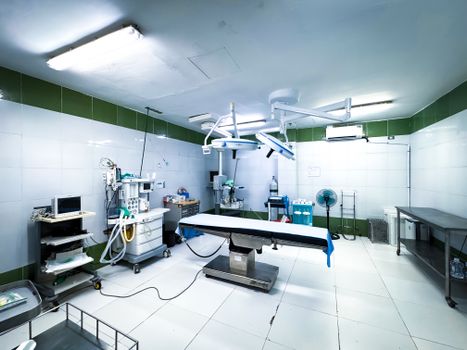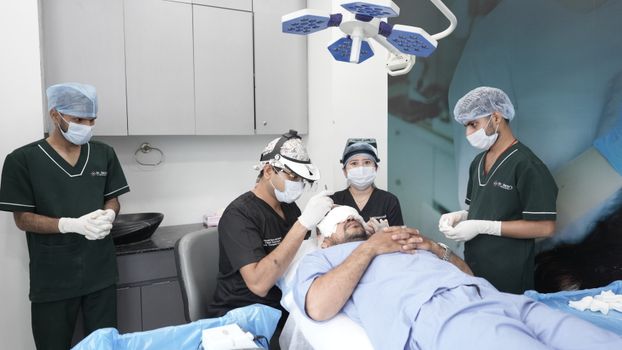
Mumbai stands at the forefront of global medical tourism, drawing thousands of international patients each year with its promise of world-class healthcare. But what truly sets the city apart is not just its advanced technology or renowned specialists—it’s the meticulous systems its hospitals have put in place to ensure quality care for patients from around the globe. For international patients, navigating medical care far from home can be daunting, but Mumbai’s leading hospitals have developed comprehensive protocols to guarantee comfort, safety, and exceptional outcomes. Let’s explore how Mumbai hospitals ensure quality care for international patients, from specialized facilities to seamless patient support systems.
Specialized International Patient Departments: Personalized Support from Arrival to Discharge
A key differentiator in Mumbai’s approach to international healthcare is the creation of dedicated International Patient Departments (IPDs) in many top-tier hospitals. These departments function as one-stop centers, exclusively catering to the unique needs of foreign patients.
Every year, Mumbai’s major hospitals such as Kokilaben Dhirubhai Ambani Hospital and Fortis Hospital handle over 10,000 international patients, according to hospital reports from 2023. To manage this influx, IPDs provide multilingual coordinators who assist with everything from visa support and airport pickups to hotel accommodation and hospital admissions.
For example, a patient arriving from Nigeria for cardiac surgery at Lilavati Hospital is assigned a patient coordinator fluent in English and local African dialects. This coordinator manages all logistics, ensuring that language and procedural barriers do not hinder the care process. Such personalized attention provides international patients with a sense of familiarity and security, crucial for their overall well-being.
Accreditation and International Quality Standards: Benchmarking Against the Best
Mumbai’s hospitals demonstrate their commitment to quality by pursuing international accreditations such as Joint Commission International (JCI) and National Accreditation Board for Hospitals & Healthcare Providers (NABH). As of 2023, Mumbai boasts more than 15 JCI-accredited hospitals and over 30 NABH-accredited facilities, showcasing a city-wide adherence to the highest standards of patient safety and care.
These accreditations require hospitals to meet rigorous benchmarks in infection control, patient rights, surgical safety, and quality improvement protocols. For instance, JCI mandates over 1,200 measurable elements for hospital evaluation, ensuring that every aspect of care—from operating room hygiene to patient identification—is strictly regulated.
Hospitals undergo regular audits, staff training, and process reviews to maintain these accreditations. This not only assures international patients of globally recognized standards but also continually drives improvements in clinical outcomes and patient experiences.
Cutting-Edge Technology and Multidisciplinary Expertise: Raising the Bar for Patient Care
To remain competitive internationally, Mumbai hospitals consistently invest in the latest medical technology and foster multidisciplinary teams for complex cases. For example, the use of robotic surgery platforms, 3 Tesla MRI machines, and next-generation sequencing for cancer diagnostics is now standard in leading hospitals such as Apollo and Jaslok.
A 2022 industry report highlighted that Mumbai’s hospitals invested over $150 million in advanced medical technology upgrades in the last five years. This enables international patients to access minimally invasive procedures, rapid diagnostics, and state-of-the-art treatments on par with the best centers in the US or Europe.
Moreover, multidisciplinary teams comprising surgeons, oncologists, radiologists, and rehabilitation specialists collaborate for every major case. For a liver transplant patient from the Middle East, this means not only a skilled surgical team but also a coordinated approach to pre- and post-operative care, nutrition, and psychological support.
Cultural Sensitivity and Customized Services: Making Patients Feel at Home
Hospitals in Mumbai recognize that international patients come from diverse cultural and religious backgrounds. To accommodate this, many hospitals offer culturally sensitive services—such as Halal food preparation, prayer rooms, and interpreters for languages like Arabic, Russian, and Swahili.
According to a 2023 survey by the Indian Medical Travel Association, 72% of international patients in Mumbai hospitals rated cultural accommodation as “excellent” or “very good.” This includes not just dietary and religious considerations but also respect for privacy, gender preferences in care providers, and family involvement in medical decisions.
Some hospitals even arrange for international TV channels in patient rooms, or facilitate video calls with family back home, helping patients stay connected and comforted during their recovery.
Transparent Communication and Outcome Tracking: Building Trust with Global Patients
One of the greatest concerns for international patients is uncertainty—about treatment plans, costs, and expected outcomes. Mumbai hospitals address this head-on with transparent communication protocols.
Before arrival, patients receive detailed treatment estimates, including itemized costs, expected hospital stay, and recovery timelines. Digital portals allow patients to upload medical records and consult with specialists remotely before traveling.
Once treatment is underway, clinical progress is tracked using international outcome measures. Hospitals provide regular updates to patients and their families, both in person and via secure digital platforms. After discharge, many hospitals offer telemedicine follow-up, bridging the gap between continents and ensuring continuity of care.
Comparing Mumbai’s Approach to International Patient Care
To better understand Mumbai’s strengths, let’s compare some key aspects of international patient care between Mumbai and other leading medical tourism destinations:
| Feature | Mumbai | Singapore | Thailand |
|---|---|---|---|
| Dedicated International Patient Departments | Yes, present in all major hospitals | Yes, but fewer multilingual coordinators | Yes, mainly English & Thai |
| JCI-Accredited Hospitals (2023) | 15+ | 11 | 9 |
| Range of Interpreters | Arabic, Russian, Swahili, French, more | Chinese, Indonesian, Malay, English | English, Japanese, Arabic, Russian |
| Halal/Kosher Meal Options | Available in most hospitals | Available in some hospitals | Available in select hospitals |
| Telemedicine Follow-up | Standard offering | Available on request | Emerging service |
This table underscores Mumbai’s holistic and inclusive approach, particularly in language support, religious accommodation, and digital continuity of care.
Continuous Improvement: Feedback-Driven Quality Enhancements
Mumbai hospitals don’t rest on their laurels; they actively solicit and act on patient feedback. Post-treatment surveys, focus groups with former international patients, and data analytics help identify areas for improvement.
For instance, in 2022, feedback from African and Middle Eastern patients led several Mumbai hospitals to expand their interpreter services and enhance cultural sensitivity training for staff. Similarly, a review of post-discharge surveys inspired the implementation of a 24/7 digital helpline for international patients, increasing satisfaction scores by 18% within a year.
Hospitals also benchmark their performance against international standards in infection rates, readmission rates, and patient satisfaction, ensuring that quality care is not just promised, but consistently delivered.
Final Thoughts on Mumbai Hospitals’ Commitment to International Patient Care
Mumbai’s hospitals have risen to the challenges of global healthcare with a multi-faceted commitment to quality, safety, and patient comfort. Their dedication is evident in everything from specialized international patient services and stringent accreditations to cutting-edge technology and continuous quality improvement. For international patients, this translates into not just medical excellence, but a seamless, reassuring, and culturally sensitive experience.
With a proven record of over 50,000 international patients treated annually and ongoing investment in innovation and patient-centric care, Mumbai stands as a beacon of quality for medical travelers worldwide.