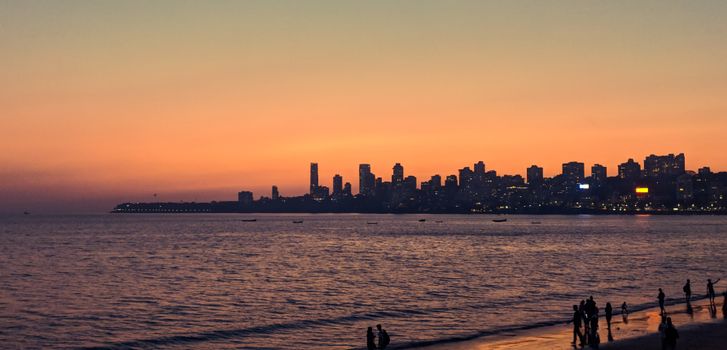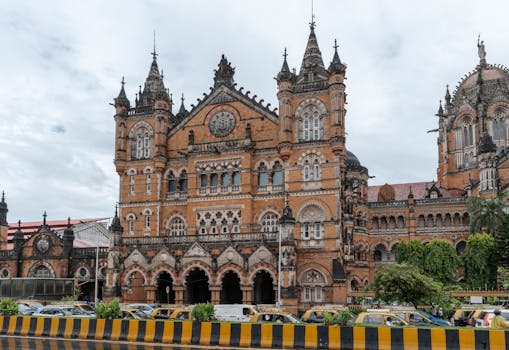
Mumbai is not just a thriving center for world-class healthcare—it's a vibrant, multifaceted metropolis overflowing with culture, history, and color. For thousands of medical tourists every year, Mumbai offers more than just advanced hospitals and expert doctors. The energetic city provides a unique opportunity to heal, recover, and rejuvenate while immersed in a rich tapestry of art, cuisine, traditions, and experiences. Understanding the cultural offerings for medical tourists is key to making the most of your time in Mumbai. Whether you’re here for a short procedure or a longer recuperation, Mumbai’s cultural landscape can enhance your journey in profound ways.
Blending Healing with Heritage: Mumbai’s Cultural Appeal for Medical Tourists
Medical tourism is often associated with cost savings and quality care, but in Mumbai, the healing process can be complemented by cultural exploration and engagement. According to a 2023 report by the Ministry of Tourism, over 350,000 international patients visited Mumbai for medical treatment in 2022, with many expressing interest in local experiences outside hospital walls.
Mumbai stands apart from other Indian medical tourism hubs because of its cosmopolitan spirit and deep-rooted traditions. As the home of Bollywood, a thriving arts scene, historical landmarks, and a melting pot of communities, Mumbai offers a wealth of opportunities to connect, learn, and create lasting memories during a medical journey. Patients and their families can easily access cultural sites thanks to the city’s efficient transportation links and the proximity of medical districts to major attractions.
Cultural Hotspots Near Mumbai’s Leading Hospitals
Mumbai’s top hospitals are strategically located close to neighborhoods brimming with cultural treasures. This convenient geography allows medical tourists to enjoy enriching experiences with minimal travel—an important consideration for those with mobility or health concerns.
For instance, the Bandra-Kurla Complex (BKC), home to several internationally accredited hospitals, is just minutes from the vibrant Bandra district. Here, visitors can explore the graffiti-filled streets of Chapel Road, the historic Bandra Fort with its sweeping sea views, and the iconic Mount Mary Church. South Mumbai’s hospital district, including the renowned P.D. Hinduja Hospital and Jaslok Hospital, is a stone’s throw from the majestic Gateway of India, the bustling Colaba Causeway market, and the Chhatrapati Shivaji Maharaj Vastu Sangrahalaya (formerly Prince of Wales Museum).
To illustrate the ease of access, here’s a comparative overview of cultural sites near Mumbai’s major hospital areas:
| Hospital District | Notable Hospitals | Nearby Cultural Attractions (within 5 km) |
|---|---|---|
| Bandra-Kurla Complex (BKC) | Asian Heart Institute, Surya Hospital | Bandra Fort, Mount Mary Church, Carter Road Promenade |
| South Mumbai | Jaslok Hospital, P.D. Hinduja Hospital | Gateway of India, Colaba Causeway, Prince of Wales Museum |
| Andheri | Kokilaben Dhirubhai Ambani Hospital | Juhu Beach, ISKCON Temple, Versova Village |
This proximity allows medical tourists to plan short, low-stress outings that can uplift their spirits, promote relaxation, and foster a sense of connection with the city.
Bollywood, Art, and Theater: Mumbai’s Creative Pulse
For many international visitors, Mumbai is synonymous with Bollywood—the heart of India’s film industry, which produces over 1,500 movies each year. Medical tourists can experience this unique facet of Indian culture through guided studio tours, live musical performances, and interactive Bollywood dance workshops, all tailored to different mobility levels. Popular studios like Film City in Goregaon offer accessible tours where guests can witness film sets, costume displays, and sometimes even live shoots.
But Mumbai’s creative energy goes far beyond cinema. The Kala Ghoda district in South Mumbai is a hub for art galleries, including the iconic Jehangir Art Gallery and the National Gallery of Modern Art. Scheduled events, such as the annual Kala Ghoda Arts Festival, attract over 150,000 visitors and feature installations, workshops, and performances that are welcoming to all. For those seeking an evening of entertainment, Mumbai’s theater scene ranges from English-language plays at the Prithvi Theatre in Juhu to Marathi and Hindi productions at the historic Royal Opera House.
Many venues offer wheelchair access and flexible seating arrangements, making them suitable for medical tourists with special needs. Engaging with Mumbai’s artistic offerings is not only enjoyable—it can also be therapeutic, providing emotional relief and a sense of normalcy during recovery.
Culinary Journeys: Savoring Mumbai’s Diverse Flavors
Food is a central part of Mumbai’s identity, shaped by centuries of migration and cultural exchange. The city is home to over 20,000 restaurants and eateries, from opulent fine-dining establishments to humble street vendors serving up local favorites. Medical tourists can discover the city’s flavors through curated food walks, cooking classes, or simply by exploring renowned culinary neighborhoods.
Dishes like vada pav (spicy potato burgers), bhel puri (puffed rice snacks), and Bombay sandwiches are iconic Mumbai treats. For those with dietary restrictions—as is common for many patients—numerous restaurants offer customized meals, gluten-free options, and international cuisines. Hospital guest relations often provide lists of recommended eateries that cater to various health requirements.
A standout example is the “Khau Galli” (food lane) phenomenon, where bustling streets like Mohammed Ali Road and Carter Road transform into open-air food markets, especially during festivals. According to the Mumbai Street Food Association, these markets attract over 15,000 visitors nightly during peak seasons. Medical tourists can enjoy these experiences through guided tours that prioritize hygiene, comfort, and safety.
Spiritual and Wellness Experiences for Mindful Healing
Mumbai’s spiritual diversity is reflected in its temples, mosques, churches, and synagogues, many of which are open to visitors seeking solace, reflection, or simply a moment of peace. The Siddhivinayak Temple, dedicated to Lord Ganesha, welcomes over 25,000 devotees daily and is known for its serene atmosphere. The Haji Ali Dargah, a mosque and tomb set on an islet in the Arabian Sea, is another site where visitors of all backgrounds gather for reflection.
For medical tourists focused on healing and rejuvenation, Mumbai offers a growing number of wellness centers specializing in yoga, meditation, and Ayurveda. Many hospitals partner with these centers to provide holistic care packages, including gentle yoga classes, guided meditation, and traditional therapies. According to a 2022 survey by the Indian Association of Wellness Tourism, 68% of international patients in Mumbai expressed interest in adding wellness experiences to their medical itinerary.
Medical tourists can benefit from practices such as “laughter yoga,” pioneered in Mumbai, which combines breathing exercises with playful laughter to reduce stress and support recovery. Wellness hotels and spas, such as those in Powai and Marine Drive, offer tailored programs for patients and families, ensuring safety and comfort.
Festivals, Markets, and Everyday Life: Immersing in Mumbai’s Rhythms
Mumbai’s festival calendar is packed year-round, offering visitors a chance to witness the city’s exuberant spirit firsthand. The Ganesh Chaturthi celebration, which attracts over 2 million participants citywide, features elaborate processions, music, and dancing. Diwali, the festival of lights, transforms Mumbai’s neighborhoods with lanterns, fireworks, and community feasts.
Markets are another window into Mumbai’s daily life. The colorful Crawford Market, the bustling Dadar Flower Market, and the antique-filled Chor Bazaar are easily accessible by cab or public transport and offer a sensory feast of sights, sounds, and smells. Many markets are partially covered, providing relief for those sensitive to the sun or needing a quick rest.
For those with limited mobility or energy, many of Mumbai’s festivals and markets now offer virtual tours and live-streamed events, allowing medical tourists to participate from the comfort of their hotel or hospital room.
Enhancing Recovery: The Role of Culture in Medical Tourism
Research increasingly points to the positive impact of cultural experiences on patient well-being and recovery. A 2021 study in the International Journal of Medical Tourism found that patients who engaged in cultural activities during medical travel reported 24% higher overall satisfaction and reduced anxiety compared to those who did not.
Mumbai’s diverse and accessible cultural scene provides medical tourists with opportunities for distraction, learning, and joy—elements that contribute to emotional healing and a sense of connection. By integrating cultural experiences into their medical journey, patients and companions can transform a potentially stressful trip into a rich and memorable adventure.