Mumbai’s Meteoric Rise as the Preferred Medical Tourism Hub: Unpacking the Phenomenon
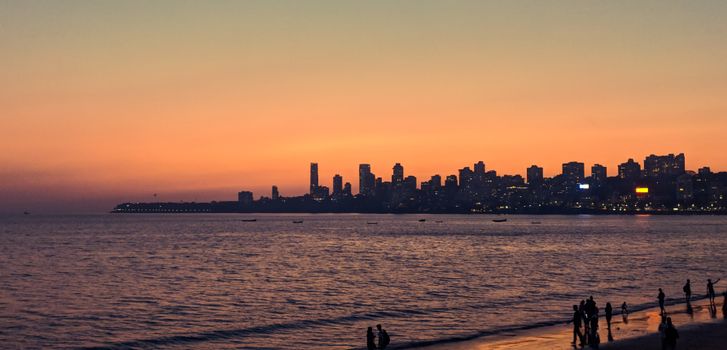
Mumbai, a city renowned for its vibrant culture, bustling economy, and iconic skyline, is now making headlines for a different reason. Over the past decade, Mumbai has emerged as the go-to destination for medical tourism, attracting thousands of international patients each year. But what’s behind this surge? It’s not just Mumbai’s world-class hospitals or medical expertise. This city offers a unique blend of affordability, quality care, accessibility, and holistic recovery experiences that few global destinations can match. Let’s explore how Mumbai is fast becoming the epicenter for medical tourists seeking world-class healthcare with a human touch.
The Evolution of Medical Tourism in Mumbai
Medical tourism isn’t new, but Mumbai’s rapid ascent in this sector is remarkable. Historically, cities like Bangkok, Singapore, and Dubai dominated the Asian medical tourism landscape. However, Mumbai’s medical tourism market has seen a compound annual growth rate (CAGR) of over 15% between 2017 and 2023, according to the Ministry of Tourism, Government of India.
What’s driving this momentum? Several factors converge here:
1. Mumbai boasts over 80 multispecialty hospitals, including internationally accredited institutions like Kokilaben Dhirubhai Ambani Hospital, Lilavati Hospital, and Tata Memorial Hospital. 2. India’s cost advantage: Procedures in Mumbai often cost 60-80% less than in the US or UK, without compromising on quality. 3. Improved connectivity: Chhatrapati Shivaji Maharaj International Airport offers direct flights to over 50 international destinations, making Mumbai accessible to patients from Africa, the Middle East, and Southeast Asia.In 2022 alone, the city welcomed more than 200,000 medical tourists, a figure projected to rise as global healthcare costs soar and patients seek affordable alternatives.
Advanced Medical Infrastructure and Centers of Excellence
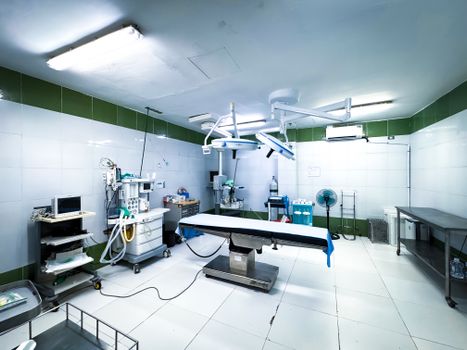
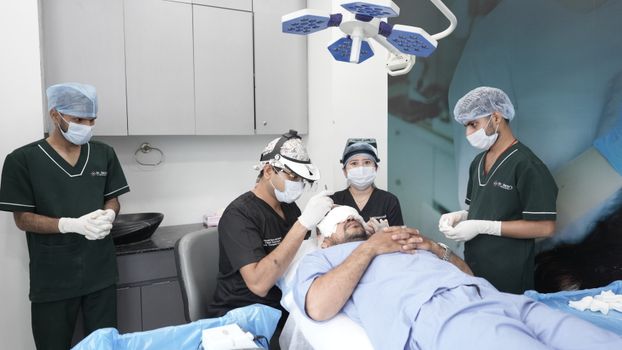
Mumbai’s medical infrastructure is a cornerstone of its appeal. The city is home to cutting-edge hospitals equipped with the latest technology and highly qualified healthcare professionals.
Key highlights include:
- Robotic surgery: Mumbai’s leading hospitals have invested heavily in robotic-assisted surgery, reducing recovery times and increasing surgical precision. - Advanced diagnostics: State-of-the-art PET-CT scanners, 3 Tesla MRIs, and comprehensive genetic testing facilities set Mumbai’s hospitals apart. - Specialized institutes: The Tata Memorial Centre is recognized as one of the world’s top cancer treatment facilities, while the Asian Heart Institute is a leader in cardiac care.A 2023 report by the Federation of Indian Chambers of Commerce & Industry (FICCI) noted that Mumbai hospitals perform nearly 20,000 complex surgeries on international patients annually, with a success rate exceeding 95% in procedures like cardiac bypass, joint replacements, and organ transplants.
Cost Savings Without Compromise: A Comparative Overview
One of the most compelling reasons international patients choose Mumbai is the dramatic cost savings. Despite offering care on par with leading Western institutions, Mumbai’s healthcare services are far more affordable.
Consider the following comparison:
| Procedure | Mumbai Average Cost (USD) | USA Average Cost (USD) | UK Average Cost (USD) | Average Savings (%) |
|---|---|---|---|---|
| Heart Bypass Surgery | $7,000 | $123,000 | $42,000 | Up to 94% |
| Knee Replacement | $6,000 | $35,000 | $18,000 | Up to 83% |
| Cosmetic Surgery (Rhinoplasty) | $2,500 | $7,500 | $6,000 | Up to 67% |
| Cancer Treatment (Chemotherapy cycle) | $1,200 | $7,000 | $5,500 | Up to 83% |
These price differences are not merely anecdotal. According to Patients Beyond Borders, Mumbai ranks among the top five global cities for healthcare value, with the average international patient saving between 65% and 90% on major procedures.
Medical Tourism Ecosystem: Beyond the Hospital Walls
Mumbai’s success as a medical tourism hub isn’t just about hospitals and doctors. The city has developed a robust ecosystem that caters to every aspect of the medical traveler’s journey.
- Accredited facilitators: Over 100 medical tourism agencies in Mumbai specialize in end-to-end support, including visa processing, hospital appointments, accommodation, and local transportation. - Multilingual support: Hospitals offer language services in Arabic, French, Spanish, Swahili, and more, ensuring patients feel comfortable and understood. - Recovery and wellness: Mumbai’s proximity to the Western Ghats and beaches like Juhu and Alibaug allows patients to recuperate in serene environments. Several hospitals even offer integrative wellness packages combining yoga, Ayurveda, and physiotherapy.Case in point: The Mumbai Medical Tourism Council reports that 40% of international patients opt for extended wellness stays post-treatment, highlighting the city’s appeal as a holistic healing destination.
Strategic Government Initiatives Boosting Mumbai’s Appeal
Government support has been pivotal in shaping Mumbai’s medical tourism trajectory. The Indian government’s “Heal in India” initiative, launched in 2022, is a game-changer. Key measures include:
- Fast-tracked medical visas: The e-Medical Visa program allows patients from over 165 countries to obtain visas within 48 hours. - Dedicated medical help desks: Mumbai airport now features medical tourism counters, offering real-time assistance to arriving patients. - Accreditation incentives: The government encourages hospitals to obtain NABH (National Accreditation Board for Hospitals) and JCI (Joint Commission International) certifications, ensuring adherence to global quality standards.These policies, coupled with Mumbai’s strong private sector involvement, have accelerated the city’s transformation into a trusted international healthcare hub.
Mumbai’s Distinctive Edge: Cultural Sensitivity and Personalized Care
Perhaps what truly sets Mumbai apart is its deep-rooted culture of hospitality and personalized care. Medical tourists often cite the warmth and attention they receive as a significant factor in their decision to choose Mumbai over other destinations.
- Customized treatment plans: Hospitals routinely assign patient coordinators who serve as a single point of contact throughout the journey. - Dietary accommodations: Recognizing diverse cultural needs, hospitals provide Halal, Jain, vegan, and other specialized menus. - Community support: Mumbai’s large expatriate and diaspora communities offer informal support networks, making international patients feel at home.A 2023 patient survey by the International Medical Travel Journal found that 88% of medical tourists rated their Mumbai healthcare experience as “excellent” or “very good,” with particular praise for the empathy and attentiveness of staff.
The Future Outlook: How Mumbai Is Shaping Global Healthcare Trends
Mumbai’s role in medical tourism is set to grow even further. As telemedicine, international collaborations, and digital health records become standard, Mumbai is investing in smart healthcare infrastructure and cross-border partnerships.
Emerging trends include:
- Teleconsultation services: Many Mumbai hospitals now offer pre-arrival virtual consultations, enabling smoother care planning for overseas patients. - International insurance tie-ups: Hospitals are forming alliances with global insurers, making billing and claims easier for foreign patients. - Medical education and research: Mumbai’s leading institutions are attracting foreign students and researchers, further cementing the city’s reputation as a healthcare innovation hub.With the global medical tourism market projected to reach $182 billion by 2028, Mumbai is well-positioned to capture a significant share, driven by its relentless focus on quality, affordability, and patient experience.