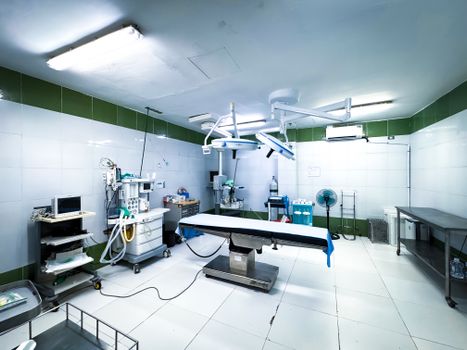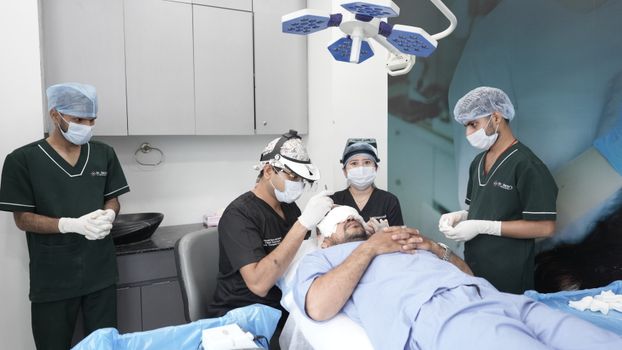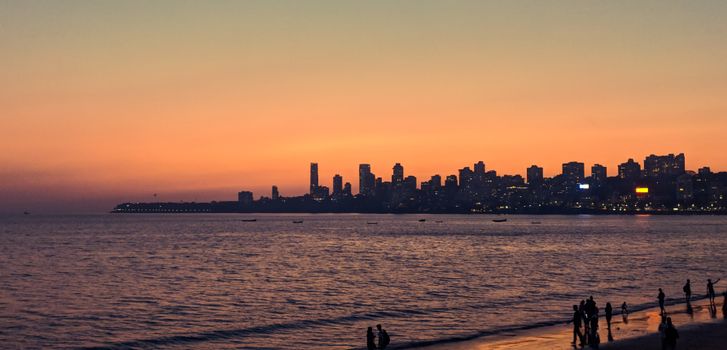
Medical tourism in Mumbai has developed into a global phenomenon, attracting tens of thousands of international patients each year. Yet, while hospital accolades and economic statistics grab headlines, the real heart of Mumbai’s medical tourism industry beats in the stories and experiences of the patients themselves. Understanding these patient journeys — from first inquiry to post-treatment recovery — provides valuable insight into the city’s healthcare ecosystem, its strengths, and the areas still in need of improvement. This article delves deeply into what patients actually experience when they come to Mumbai for medical care, drawing on testimonials, research, and comparative data, to bring an authentic, human-focused perspective to the industry.
The Patient Journey: From Initial Inquiry to Post-Treatment Recovery
For most international patients, the journey to Mumbai begins with extensive online research or recommendations from previous patients. According to a 2022 survey by the Federation of Indian Chambers of Commerce & Industry (FICCI), about 63% of foreign medical tourists rely on patient testimonials and online reviews as their primary source of information.
Once patients make contact, typically through hospital international patient departments or medical tourism facilitators, they are guided through a process that includes sharing medical records, receiving treatment plans, and arranging travel logistics. Hospitals such as Kokilaben Dhirubhai Ambani Hospital and Lilavati Hospital have established dedicated international patient services teams. These teams handle everything from visa invitation letters to airport pickups.
On arrival, patients report a mix of excitement and anxiety. The quality of airport transfers, language support, and hotel accommodations are frequently mentioned in patient reviews. A 2023 survey by the Indian Medical Travel Association revealed that 89% of surveyed patients rated Mumbai’s airport-to-hospital transfer experience as “good” or “excellent”.
Treatment itself is often a high-touch experience, with international patients receiving priority scheduling, translation services, and personal coordinators. Post-treatment, patients either recover in specialized guesthouses or hotels, often with nurse visits arranged by the hospital. Follow-up care is managed through telemedicine platforms, WhatsApp messages, or regular email updates, ensuring continuity even after patients return home.
Communication and Cultural Sensitivity: What Patients Notice
One of the most critical aspects of patient experience is communication. English is widely spoken in Mumbai’s top hospitals, but language barriers still arise, particularly for patients from Russia, Francophone Africa, and the Middle East. To address this, hospitals have invested in multilingual staff and technology: for example, Fortis Hospital offers Arabic, Russian, and French interpreters, while Apollo Hospitals provides translated medical documents upon request.
Cultural sensitivity is equally important. Dietary preferences, religious practices, and family involvement in care are areas where Mumbai’s hospitals have made notable progress. For example, many hospitals provide halal meals, private prayer rooms, and allow family members to stay with the patient in private suites. According to a 2021 patient experience report by the Confederation of Indian Industry (CII), 78% of international patients in Mumbai felt that their cultural and religious needs were “well respected”.
However, there are still occasional lapses. Some patients report difficulties understanding local accents or navigating unfamiliar hospital processes. A minority have noted delays in translation services, especially during off-hours. Overall, though, Mumbai’s leading hospitals are increasingly aware of these issues and are actively training staff in cultural competence.
Comparing Patient Experiences: Mumbai vs. Other Medical Tourism Destinations
How does Mumbai stack up against other major medical tourism cities like Bangkok, Singapore, or Istanbul? Patients often compare destinations based on costs, quality of care, waiting times, and overall satisfaction.
Here is a comparative overview based on data from the 2023 Medical Tourism Index and patient feedback surveys:
| Factor | Mumbai | Bangkok | Singapore | Istanbul |
|---|---|---|---|---|
| Average Cost Savings (%) | 65% | 55% | 45% | 60% |
| Average Waiting Time for Procedures | 2-5 days | 1-3 days | 3-7 days | 2-4 days |
| Patient Satisfaction (1-10) | 8.4 | 8.6 | 8.8 | 8.1 |
| Languages Supported | 10+ | 8+ | 6+ | 7+ |
| Accredited Hospitals (JCI) | 8 | 11 | 21 | 5 |
Mumbai stands out for its strong cost advantage, broad language support, and relatively short waiting times. Patient satisfaction scores are competitive, but some patients cite the city’s urban congestion and occasional bureaucratic delays as challenges. In contrast, Singapore leads on hospital accreditation and overall infrastructure but at a higher price point.
Real Patient Stories: Testimonials and Key Takeaways
Beyond data, patient experiences are best illustrated through real stories. Consider the case of Fatima, a 34-year-old from Kenya, who traveled to Mumbai in 2023 for cardiac surgery. She described her experience as “life-changing,” highlighting the warmth of the nurses, the thoroughness of the doctors, and the affordable costs compared to options at home or in Dubai.
Similarly, Dmitri from Russia came to Mumbai for a hip replacement. He was initially apprehensive about the language barrier but found Russian-speaking coordinators who helped him navigate every step. He noted, “My surgery was scheduled within a week, and the follow-up care was beyond my expectations. The city was busy, but the hospital was an oasis of calm.”
However, not all feedback is positive. Some patients mention issues such as long waits for non-emergency procedures, occasional miscommunications, or challenges with post-discharge accommodation. One patient from Oman remarked that while his medical experience was excellent, he found the city’s traffic and noise overwhelming, impacting his recovery period.
These stories underline the diversity of experiences and reinforce the need for hospitals and facilitators to offer personalized, holistic care that goes beyond just the clinical outcome.
Support Services and Non-Medical Aspects of the Patient Experience
A defining feature of Mumbai’s medical tourism ecosystem is the range of support services available to international patients. Hospitals often partner with travel agencies, hotels, and concierge services to ensure a smooth experience from arrival to departure.
Key support services include:
- Visa assistance: Dedicated hospital staff help patients secure medical visas, which accounted for over 56,000 arrivals in Mumbai in 2022 alone (Ministry of Tourism, India). - Accommodation: Partnerships with nearby hotels and serviced apartments offer discounted rates and medical-grade amenities. - Transportation: Many hospitals provide free or subsidized airport transfers and daily shuttles for patients and their companions. - Concierge and translation: Support staff assist with shopping, local tours, and religious or cultural needs, making the stay more comfortable.Despite these services, some gaps remain. For example, patients sometimes report confusion regarding billing and insurance coverage or lack of information about post-discharge rehabilitation options. Patient advocacy groups in Mumbai are now stepping in to bridge these gaps, providing independent advice and post-treatment support networks.
Challenges and Opportunities: Improving the Patient Experience in Mumbai
While Mumbai is a leader in medical tourism, continuous improvement is necessary to match evolving patient expectations. Common challenges cited in patient feedback include:
- Urban congestion: Heavy traffic can make travel between hospitals and hotels slow and tiring, particularly for those recovering from surgery. - Environmental factors: Air and noise pollution present challenges for patients with respiratory or cardiac conditions. - Bureaucratic hurdles: Although visa processes have improved, occasional delays and paperwork issues persist.Opportunities for improvement identified by patients and industry observers include:
- Enhanced digital platforms: Streamlined online portals for appointments, payments, and follow-up care. - Expanded language and cultural training: To better serve the growing number of patients from Africa, Central Asia, and Latin America. - Greater transparency: Clearer communication on treatment packages, costs, and insurance coverage at every step.Some hospitals are piloting new initiatives, such as virtual reality tours for international patients to familiarize themselves with facilities before arrival, and dedicated “patient experience managers” who act as single points of contact throughout the journey.
Patient Experiences: A Window into Mumbai’s Healthcare Promise
The experiences of international patients in Mumbai offer a unique lens through which to evaluate the city’s medical tourism sector. While world-class medical expertise and affordability are key draws, the real differentiator is the quality of the patient journey — from communication and cultural sensitivity to holistic support services and aftercare.
Mumbai’s hospitals have made significant strides in recent years, with rising patient satisfaction scores and expanding international patient services. Nevertheless, there is still work to be done to address urban challenges and further personalize the patient experience. As patient voices gain prominence, their stories and feedback are shaping the future of Mumbai’s medical tourism, setting new standards for care, compassion, and cross-cultural understanding.