Mumbai’s Impact on the Rise of India’s Medical Tourism: A Transformative Force
India’s medical tourism industry has undergone a dramatic transformation in the past two decades, and at the heart of this revolution lies Mumbai. As the nation’s financial capital and one of its most cosmopolitan cities, Mumbai’s influence on India’s medical tourism growth cannot be understated. But what exactly is driving this impact, and how does Mumbai’s unique position shape the future of healthcare travel in India? This article delves into the many layers of Mumbai’s influence, from its world-class infrastructure to its role as a cultural ambassador, and explains why the city stands as a beacon for medical tourists from across the globe.
The Genesis of India’s Medical Tourism Boom
Medical tourism, the practice of traveling to another country for medical treatment, has seen exponential growth in India. According to the Ministry of Tourism, India welcomed more than 697,000 medical tourists in 2019, a 17% increase from the previous year. The industry’s value is projected to reach $13 billion by 2026. Mumbai, with its blend of cutting-edge healthcare, international connectivity, and cosmopolitan appeal, has played a pivotal role in this boom.
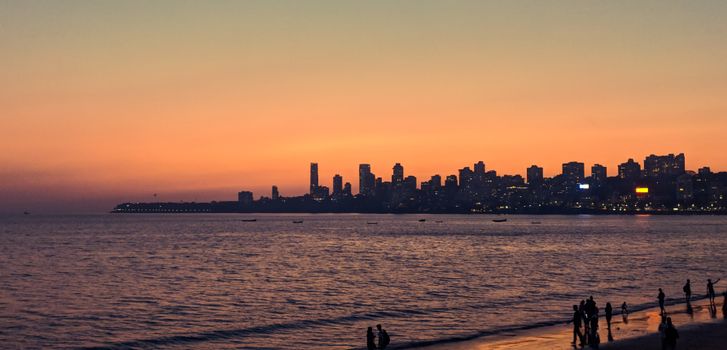
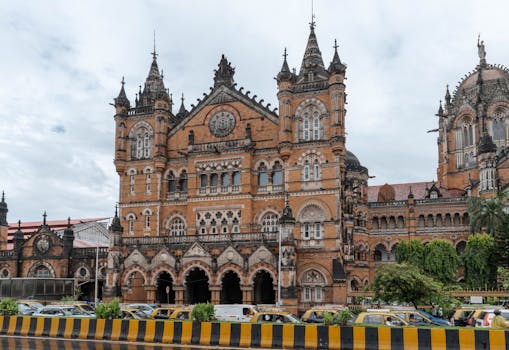
Mumbai’s strategic location on the west coast, its status as a global city, and its deep-rooted history in healthcare excellence have made it a natural hub for international patients. The city’s medical institutions were among the first in India to receive international accreditations, such as those from the Joint Commission International (JCI) and the National Accreditation Board for Hospitals & Healthcare Providers (NABH), setting the gold standard for quality and safety.
World-Class Healthcare Infrastructure
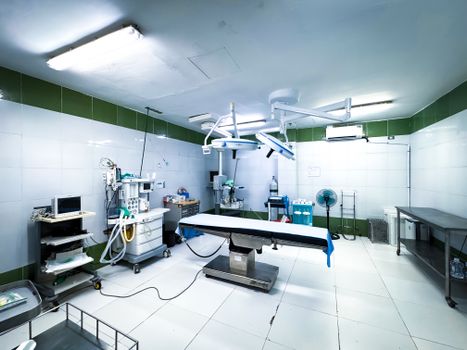
One of the most significant factors behind Mumbai’s influence on medical tourism is its exceptional healthcare infrastructure. The city is home to over 70 multi-specialty hospitals, many of which are recognized globally for their advanced technology and highly trained medical staff. Institutions such as Kokilaben Dhirubhai Ambani Hospital, Tata Memorial Hospital, Lilavati Hospital, and Jaslok Hospital routinely attract patients from countries as diverse as Kenya, Bangladesh, the Middle East, and even Europe.
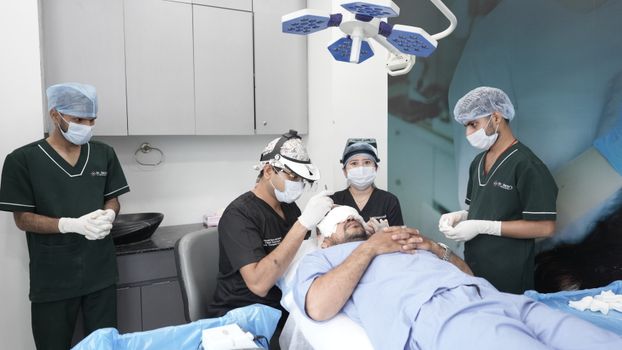
Mumbai’s hospitals offer a broad spectrum of specialized treatments, including oncology, cardiology, orthopedics, organ transplantation, and cosmetic surgery. Advanced robotic surgery, minimally invasive procedures, and state-of-the-art diagnostics are routinely performed. For example, Kokilaben Hospital alone has performed over 2,000 robotic surgeries since 2012, and Tata Memorial Hospital is regarded as one of Asia’s leading cancer care centers.
This emphasis on quality and technology not only attracts international patients but also builds trust and credibility for India’s medical tourism sector as a whole. Mumbai’s ability to deliver world-class care at a fraction of the cost compared to Western countries is a key competitive advantage.
Connectivity and Accessibility: Mumbai as a Gateway
Mumbai’s influence extends far beyond its hospitals. The city’s infrastructure as a global gateway plays a crucial role in India’s medical tourism ecosystem. Chhatrapati Shivaji Maharaj International Airport, one of the busiest in India, handles over 50 million passengers annually and offers direct flights to more than 43 international destinations. This connectivity makes Mumbai the first port of call for many international patients.
Moreover, the city’s extensive domestic transport network—spanning suburban rail, metro, buses, and taxis—ensures seamless movement for patients and their families. Mumbai’s status as a major port also simplifies the logistics of importing specialized medical equipment and pharmaceuticals required for complex procedures.
The city’s robust hospitality industry, with over 250 five-star and boutique hotels, caters specifically to medical tourists, offering tailored packages that include post-operative care and local transportation. These services are often coordinated with hospitals, ensuring a holistic and hassle-free experience for patients.
Cultural Acceptance and Multilingual Support
Mumbai’s influence on medical tourism is not limited to infrastructure and technology; it extends deeply into the cultural and social fabric of the city. Known as the melting pot of India, Mumbai is home to communities from across the globe, making it one of the most culturally diverse cities in Asia. This diversity translates into a high degree of cultural sensitivity and acceptance in the healthcare sector.
Hospitals in Mumbai routinely employ multilingual staff and interpreters to assist international patients. For instance, Jaslok Hospital offers translation services in over 10 languages, including Arabic, Swahili, Russian, and French, accommodating the diverse linguistic needs of their global clientele.
The city’s cosmopolitan nature also means that dietary preferences, religious practices, and cultural norms are respected in patient care. This inclusive approach makes international patients feel at home, helping them recover faster and more comfortably.
Comparative Analysis: Mumbai Versus Other Indian Medical Tourism Hubs
While several Indian cities are recognized for their contributions to medical tourism, Mumbai’s comprehensive ecosystem sets it apart. The following table compares Mumbai with other major Indian medical tourism destinations:
| City | No. of Accredited Hospitals | Direct International Flights | Annual Medical Tourists (Estimate) | Key Specialties |
|---|---|---|---|---|
| Mumbai | 28 | 43 | 72,000 | Oncology, Cardiology, Transplants, Cosmetic Surgery |
| Delhi NCR | 32 | 56 | 84,000 | Cardiology, Orthopedics, Fertility, Neurology |
| Chennai | 22 | 30 | 55,000 | Orthopedics, Cardiology, Organ Transplants |
| Bangalore | 18 | 28 | 41,000 | Oncology, Neurology, Cardiology |
| Kolkata | 12 | 21 | 20,000 | Cardiology, Oncology, Gastroenterology |
While Delhi NCR attracts a slightly higher number of medical tourists, Mumbai’s blend of specialties, international accessibility, and cultural integration gives it a unique edge. Its reputation for safe and reliable care, coupled with its cosmopolitan appeal, makes Mumbai a preferred choice for many.
Economic and Social Ripple Effects
Mumbai’s influence on medical tourism extends into the wider economy and society. The influx of medical tourists significantly boosts sectors such as hospitality, transportation, and retail. According to a 2021 report by the Federation of Indian Chambers of Commerce and Industry (FICCI), Mumbai’s medical tourism industry generates over $1.2 billion in annual revenue and supports more than 70,000 jobs directly and indirectly.
Additionally, the presence of international patients drives hospitals to maintain high standards of hygiene, innovation, and service, which benefits local patients as well. Medical tourism has catalyzed new investments in healthcare infrastructure, with over 15 new specialty hospitals and 40 diagnostic centers established in Mumbai in the last five years alone.
Moreover, Mumbai has seen the growth of allied services such as medical facilitators, visa consultants, and language agencies, further strengthening its position as an all-encompassing healthcare destination.
Challenges and the Road Ahead
Despite its many strengths, Mumbai faces challenges that could impact its continued dominance in medical tourism. Urban congestion, air pollution, and high operating costs pose risks to patient experience and hospital operations. The COVID-19 pandemic temporarily slowed the inflow of international patients, underlining the need for resilient and adaptive strategies.
However, Mumbai’s proactive government policies, such as the Maharashtra Medical Tourism Policy 2022, aim to address these issues by streamlining visa processes, improving healthcare infrastructure, and expanding international marketing. The city’s ongoing investments in smart healthcare solutions, including telemedicine and digital health records, also promise to make patient journeys smoother and more transparent.
Looking ahead, Mumbai is well-positioned to leverage its strengths and address its challenges, ensuring that it remains a cornerstone of India’s medical tourism growth for years to come.
Conclusion
Mumbai’s influence on India’s medical tourism growth is profound and multi-faceted. From state-of-the-art hospitals and seamless international connectivity to its rich cultural tapestry and economic impact, Mumbai exemplifies the best of what Indian healthcare can offer the world. Its unique combination of medical expertise, infrastructure, and hospitality not only attracts thousands of patients each year but also sets the benchmark for other cities to follow. As global healthcare continues to evolve, Mumbai’s role as a pioneer and leader in medical tourism will remain indispensable.