Mumbai’s Medical Tourism Industry: Unlocking Unique Benefits for International Patients
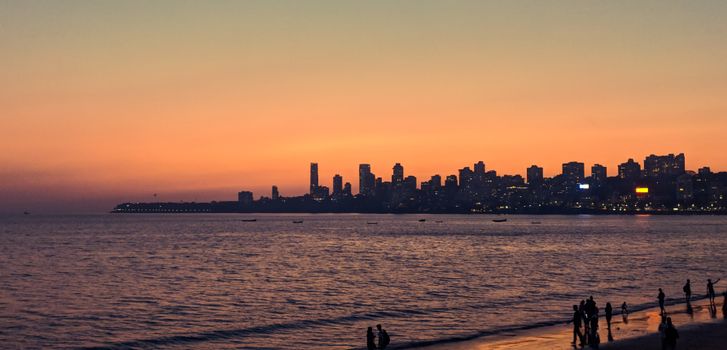
Every year, thousands of people from around the world travel to Mumbai in search of advanced medical care, combining high-quality treatment with the vibrancy of India’s financial capital. While cost savings and world-class hospitals are well-known draws, Mumbai’s medical tourism industry offers a broader range of advantages that set it apart from other global destinations. From seamless patient support to a multicultural healthcare workforce and innovative hospital networks, Mumbai is redefining the global medical tourism experience in unique ways.
This article explores the lesser-known but significant benefits of Mumbai’s medical tourism industry, supported by hard data, real-world examples, and a comprehensive comparison with other leading destinations.
Comprehensive Care Coordination: Beyond the Hospital Walls
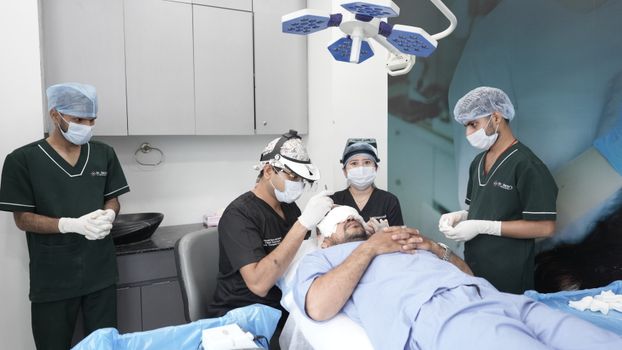
One of the key advantages of Mumbai’s medical tourism sector is the extensive patient support system that extends far beyond clinical treatment. Many Mumbai hospitals and medical tourism facilitators offer end-to-end care coordination services tailored for international patients. These services typically include:
- Pre-travel medical consultations via telemedicine - Assistance with medical visas and paperwork - Airport pickups and transportation - Personalized interpreter services in more than 10 languages - Dedicated international patient liaisons for 24/7 supportFor instance, the Kokilaben Dhirubhai Ambani Hospital reports handling over 3,000 international patients annually, with dedicated teams managing everything from airport transfers to post-discharge follow-ups. Such comprehensive support ensures that patients and their families can focus on recovery rather than logistics.
A 2022 study by the Federation of Indian Chambers of Commerce & Industry (FICCI) found that 85% of international patients in Mumbai rated their care coordination experience as “excellent,” a higher satisfaction rate than many traditional medical tourism hubs.
Multicultural Medical Workforce: Bridging Global Expectations
Mumbai’s rich diversity is mirrored in its healthcare sector. The city is home to a multicultural workforce, including doctors and nurses who have trained or worked in the US, UK, Europe, and Southeast Asia. This international exposure helps Mumbai hospitals understand and meet the unique cultural and medical expectations of patients from different backgrounds.
For example, many hospitals in Mumbai offer:
- Multilingual staff fluent in English, Arabic, French, Russian, and more - Dietary options that cater to religious, cultural, and personal preferences - Customized care plans that respect patient beliefs and traditionsAccording to the Medical Tourism Association, over 40% of international patients cited “cultural understanding” as a key reason for choosing Mumbai over other Indian cities. This multicultural approach helps patients feel at home and fosters trust—an essential factor in recovery and satisfaction.
Cutting-Edge Technology and Specialized Treatments
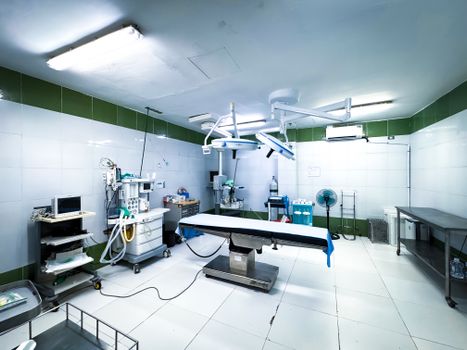
Mumbai’s healthcare infrastructure is at the forefront of medical innovation in India. The city’s hospitals are equipped with the latest diagnostic and surgical technologies, offering treatments that rival those available in top Western hospitals.
Some of the advanced treatments and technologies available in Mumbai include:
- Robotic-assisted surgery for cardiac, urological, and oncological procedures - Next-generation imaging (PET-CT, 3T MRI) - Minimally invasive neurosurgery - Advanced organ transplantation (liver, kidney, heart) - Stem cell therapies and regenerative medicineAs of 2023, Mumbai’s Lilavati Hospital and Research Centre has performed over 1,000 robotic surgeries, positioning the city as a leader in minimally invasive procedures. Furthermore, Mumbai’s Fortis Hospital boasts one of the highest organ transplant success rates in India, at over 92%.
Integrated Wellness and Recovery Programs
Mumbai’s medical tourism industry stands out for its integration of Western medicine with traditional Indian wellness practices. Many hospitals and recovery centers partner with Ayurveda spas, yoga institutes, and holistic rehabilitation centers to provide well-rounded post-treatment care.
Key benefits include:
- Personalized wellness programs combining physiotherapy, dietetics, yoga, and meditation - Stress management and mental health support for patients and caregivers - Access to Mumbai’s renowned wellness resorts, such as Atmantan and The Oberoi SpaA study published in the Indian Journal of Medical Tourism in 2023 found that international patients who participated in integrated recovery programs had a 25% faster return to normal activities compared to those who received only conventional rehabilitation.
Cost Transparency and Financial Protections
While affordability is a major factor in choosing Mumbai for medical treatment, the city also excels in providing cost transparency and financial protections for international patients. Hospitals in Mumbai are increasingly adopting fixed-price packages for common procedures, which include all hospital fees, medical consumables, and standard post-surgery care.
Additional features include:
- No hidden charges or surprise bills - Comprehensive insurance acceptance, including several international insurers - Flexible payment plans for high-cost treatments - Financial counselors to guide patients through budgeting and insurance claimsAccording to a report by the Ministry of Tourism, Government of India, Mumbai hospitals saw a 36% increase in international patient admissions between 2019 and 2023, driven in part by clear, upfront pricing and robust financial safeguards.
Comparison: Mumbai vs Other Medical Tourism Destinations
How does Mumbai’s medical tourism experience stack up against other popular destinations like Bangkok, Singapore, and Dubai? The following table provides a comparative overview based on key criteria.
| Criterion | Mumbai | Bangkok | Singapore | Dubai |
|---|---|---|---|---|
| Average Cost Savings vs US | 65-80% | 60-75% | 50-65% | 45-60% |
| International Patient Support | 24/7, Multilingual, Visa & Logistics | Multilingual, Concierge | 24/7, English-focused | English, Arabic Support |
| Innovative Treatments | Robotic Surgery, Organ Transplants, Regenerative Medicine | Cosmetic, Cardiac, Orthopedic | Oncology, Cardiac, Advanced Diagnostics | Cosmetic, Fertility, Orthopedic |
| Integrated Wellness Programs | Yes (Ayurveda, Yoga, Holistic Care) | Limited | Limited | Limited |
| Cost Transparency | High (Fixed Packages, No Hidden Fees) | Medium | High | Medium |
| Multicultural Workforce | Extensive | Extensive | Moderate | Extensive |
As the table illustrates, Mumbai not only offers significant cost savings but also excels in patient support, wellness integration, and financial transparency, making it a compelling choice for international medical travelers.
Final Reflections: The Distinctive Edge of Mumbai’s Medical Tourism
Mumbai’s medical tourism industry is more than just clinics and hospitals—it is a holistic ecosystem designed to provide safe, transparent, and culturally sensitive care for patients from all corners of the globe. The city’s commitment to comprehensive care coordination, a multicultural workforce, cutting-edge technology, and integrative wellness gives it a distinctive edge over other medical tourism destinations.
In 2023 alone, Mumbai attracted more than 70,000 international patients, contributing over $600 million to the local economy. With ongoing investments in healthcare infrastructure and patient-centric services, Mumbai is poised to further strengthen its position as a global leader in medical tourism.
For anyone considering traveling abroad for medical care, Mumbai offers not just treatment, but a complete, supportive, and enriching healing journey.