Mumbai’s Transformation: Why the World Now Looks to India’s Metropolis for Medical Tourism
Medical tourism has become a global phenomenon, with patients from around the world crossing borders in search of advanced and affordable healthcare. In this dynamic landscape, Mumbai is rapidly distinguishing itself as a top choice for international patients. But what exactly is driving Mumbai’s ascent as the go-to destination for medical tourism? Beyond the well-known factors of affordability and quality, a fascinating mix of innovation, cultural offerings, logistics, and specialized expertise is propelling Mumbai to the forefront. This article explores the unique reasons behind Mumbai’s surging popularity among international health travelers, backed by statistics, real-world examples, and comparative insights.
The Surge in Medical Tourism: Mumbai’s Place on the Global Map
Medical tourism is a booming industry, valued at over $54 billion globally in 2022 and projected to reach $143.8 billion by 2032. India alone welcomed more than 697,000 foreign medical travelers in 2019, according to the Ministry of Tourism, and Mumbai accounted for nearly 27% of all inbound medical tourists to India that year.
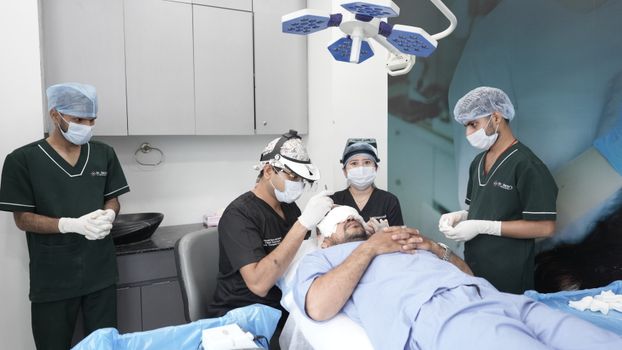
Mumbai’s hospitals are now treating patients from more than 100 countries, including the Middle East, Africa, Southeast Asia, and even Western nations such as the UK and the US. Key factors for this surge include not only cost savings but also access to high-end technologies, shorter waiting periods, and multilingual support.
Beyond Affordability: Mumbai’s Medical Specializations and Superiority
While competitive pricing is a draw, Mumbai’s edge lies in its deep specialization and the breadth of expert medical services available. The city is home to more than 50 multi-specialty hospitals accredited by Joint Commission International (JCI) or National Accreditation Board for Hospitals (NABH), ensuring international standards of care.
Mumbai’s top medical specialties attracting foreign patients include:
- Cardiac surgery and interventional cardiology - Organ transplants (liver, kidney, heart) - Orthopedics and joint replacement - Oncology (cancer treatment) - Cosmetic and reconstructive surgery - IVF and reproductive medicineFor instance, Kokilaben Dhirubhai Ambani Hospital performed over 3,000 complex heart surgeries in 2023, with success rates exceeding 98%. Similarly, Mumbai’s Tata Memorial Centre is a global leader in cancer care, drawing patients from neighboring countries seeking advanced oncology treatments not available at home.
Technological Leadership and Cutting-Edge Care
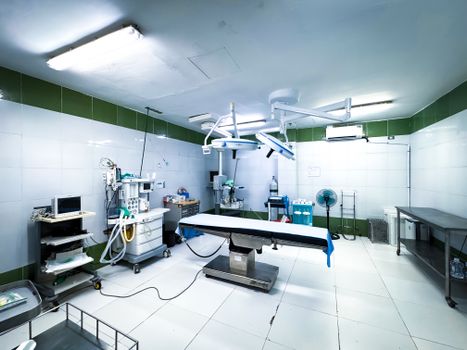
Mumbai’s hospitals are consistently investing in state-of-the-art technology, which is a significant differentiator. From robotic surgery and 3D printing for prosthetics to advanced radiology and cyberknife radiosurgery for tumors, Mumbai offers treatments on par with, and sometimes exceeding, those available in Western countries.
A 2022 survey by the Indian Medical Association found that 87% of foreign patients cited “access to latest medical technology” as a key reason for choosing Mumbai. Some of the city’s landmark innovations include:
- Asia’s first MRI-guided stereotactic radiosurgery at Jaslok Hospital - First robotic kidney transplant in India at Global Hospital, Mumbai - Pioneering stem cell therapy for spinal cord injuriesThis technological edge enables Mumbai to deliver precision treatments with faster recovery times—a major attraction for health travelers with complex medical needs.
Ease of Access: Visa Reforms, Direct Flights, and Patient Services
Mumbai’s appeal is also rooted in its infrastructure and patient-friendly processes. The Indian government’s introduction of e-Medical Visas has slashed visa processing times to as little as 48 hours for citizens of over 160 countries. Mumbai’s Chhatrapati Shivaji Maharaj International Airport is a major aviation hub, offering direct connections to more than 50 international destinations.
Once in Mumbai, patients benefit from a robust ecosystem of support:
- Dedicated international patient coordinators at major hospitals - Multilingual staff and translation services in Arabic, Russian, Swahili, and more - Tie-ups with insurance providers and embassies - Concierge services for travel, accommodation, and local logisticsThe result is a seamless experience that greatly reduces the stress and uncertainty of seeking treatment abroad.
Holistic Healing: Combining Healthcare with Mumbai’s Cultural and Wellness Attractions
For many international patients, medical travel is not only about treatment—it’s about holistic healing and recovery. Mumbai offers a unique blend of world-class healthcare and vibrant cultural experiences, making it a preferred choice for those seeking recuperation in a lively, cosmopolitan city.
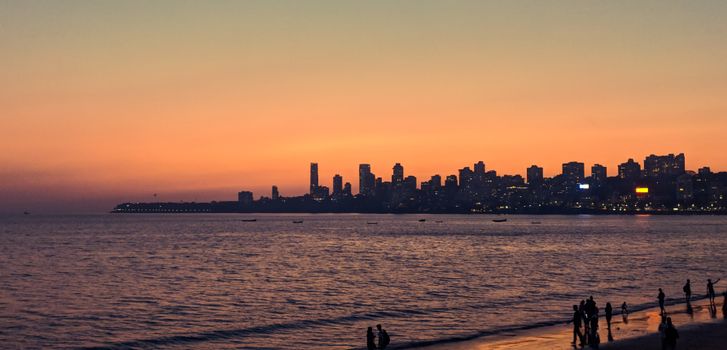
Patients and their families can explore Mumbai’s iconic landmarks such as the Gateway of India, Marine Drive, and the Elephanta Caves, or enjoy the city’s renowned cuisine and shopping. Mumbai is also a gateway to wellness retreats in nearby Lonavala and Goa. Many hospitals offer post-treatment rehabilitation programs, Ayurvedic therapies, and yoga sessions, supporting both physical and emotional recovery.
Cost Comparison: Mumbai vs. Other Global Medical Tourism Hubs
Cost is a significant factor for many medical tourists. Mumbai’s hospitals typically offer treatments at a fraction of the price charged in Western countries, without compromising quality. The table below illustrates average costs of common procedures across popular medical tourism destinations:
| Treatment | Mumbai (USD) | Bangkok (USD) | Dubai (USD) | USA (USD) | UK (USD) |
|---|---|---|---|---|---|
| Heart Bypass Surgery | $7,000 | $14,000 | $18,500 | $123,000 | $36,000 |
| Knee Replacement | $6,000 | $12,000 | $15,000 | $35,000 | $23,000 |
| Liver Transplant | $38,000 | $75,000 | $80,000 | $575,000 | $300,000 |
| IVF Cycle | $3,500 | $8,000 | $12,000 | $12,000 | $6,500 |
As seen above, Mumbai offers savings of up to 90% compared to the US, and 50-70% compared to other Asian and Gulf destinations, making it one of the most cost-effective options globally.
High Patient Satisfaction and International Recognition
Mumbai’s rise in medical tourism is also reflected in high patient satisfaction rates. According to a 2023 survey by the Federation of Indian Chambers of Commerce & Industry (FICCI), 92% of international patients treated in Mumbai rated their experience as “excellent” or “very good.” Key areas of satisfaction included:
- Quality of medical care (94%) - Communication with doctors and staff (91%) - Ease of logistics (89%) - Post-treatment follow-up (87%)Leading Mumbai hospitals have been featured in Newsweek’s “World’s Best Hospitals” list, and several have received international awards for patient care and innovation.
Mumbai’s medical professionals are also in high demand. More than 500 Mumbai-based doctors have trained or practiced overseas, bringing expertise and global best practices back to the city.
Conclusion: Mumbai’s Unmatched Value Proposition for Global Health Travelers
Mumbai’s emergence as the go-to destination for medical tourism is the result of a powerful blend of factors: advanced medical expertise, cutting-edge technology, seamless patient support, and the ability to transform healthcare into a holistic, culturally rich experience. The city’s hospitals are not only matching international standards, but in key areas, setting new benchmarks in cost, innovation, and patient satisfaction.
As the global medical tourism sector continues to grow, Mumbai is poised to remain at the epicenter of this movement, offering hope, healing, and hospitality to thousands of patients each year. Whether it’s a complex surgery, a life-changing transplant, or a wellness journey, Mumbai stands ready to welcome the world.