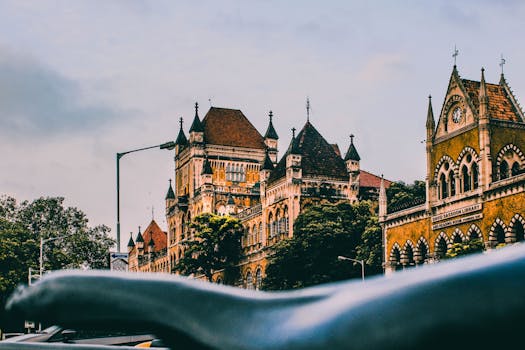
Mumbai’s medical tourism sector has rapidly grown over the past decade, establishing the city as a premier destination for international patients seeking quality and affordable healthcare. Attracting over 200,000 foreign medical tourists annually, Mumbai combines world-class hospitals, skilled medical professionals, and cultural diversity. However, behind this impressive growth are significant challenges that threaten to slow progress and impact the overall experience for patients and providers alike. Understanding these hurdles—and the innovative solutions being developed—is crucial for anyone considering medical travel to Mumbai or investing in the city’s healthcare infrastructure.
The Landscape of Medical Tourism in Mumbai: Opportunities and Obstacles
Mumbai stands as the heartbeat of India’s medical tourism, contributing to an industry that brought in nearly $7 billion in revenue for India in 2022, according to Ministry of Tourism data. Several factors make Mumbai particularly attractive: state-of-the-art hospitals, internationally accredited facilities, and English-speaking medical staff. Yet, this rapid expansion has also surfaced unique challenges:
- Complex visa processes for medical travelers - Language and cultural barriers despite English proficiency - High patient-to-provider ratios in top hospitals - Inconsistent follow-up care for international patients - Infrastructure strain due to increased patient volumesWhile Mumbai’s appeal remains high, these obstacles can create gaps in patient experience, satisfaction, and health outcomes. As competition from other Asian medical tourism hubs intensifies, Mumbai must address these concerns to stay ahead.
Navigating Bureaucratic and Visa Challenges
One of the most frequently cited pain points for medical tourists in Mumbai is the bureaucratic process of obtaining a medical visa. In 2023, India issued nearly 500,000 medical visas, with about 40% of these applications facing delays due to paperwork, documentation requirements, and embassy backlogs.
Patients from Africa, the Middle East, and South Asia often report long waiting times and confusion regarding visa eligibility, documents, and extensions for post-treatment recovery. For example, a patient from Kenya seeking cardiac surgery might need to submit multiple medical reports, sponsor letters, and financial proof—a process that can take up to six weeks.
$1 - The Indian government launched the e-Medical Visa in 2019, which now covers citizens from over 165 countries, reducing processing time from several weeks to just 72 hours. - Some Mumbai hospitals partner with visa facilitation agencies to provide end-to-end support for documentation and embassy appointments. - Digital platforms now offer real-time tracking of visa status, helping reduce anxiety and uncertainty for patients planning their trip.Despite these improvements, further streamlining and coordination between healthcare providers and government agencies is needed, especially during peak travel seasons when delays are more frequent.
Bridging Language and Cultural Gaps
Even with Mumbai’s cosmopolitan reputation and widespread English usage, medical tourists often face communication difficulties, particularly those from non-English-speaking backgrounds. According to a 2022 survey by the International Patients’ Association of Mumbai, 27% of medical tourists found language barriers to be a significant challenge during consultations, hospital admission, or discharge processes.
Cultural misunderstandings can also arise, especially around dietary needs, religious practices, or expectations regarding family involvement in care decisions. For instance, certain African or Middle Eastern patients may require halal food or private female wards, which not all hospitals consistently provide.
$1 - Leading hospitals have begun hiring multilingual patient coordinators and interpreters, with some facilities offering services in Arabic, Russian, Swahili, and French. - Hospitals such as Kokilaben Dhirubhai Ambani Hospital and Jaslok Hospital have developed cultural sensitivity training modules for their staff. - Patient welcome kits now include multilingual guides, maps, and helpline numbers for emergency translation assistance.While progress is evident, scaling these services citywide remains a challenge, especially in smaller clinics that may lack resources for specialized staff.
Infrastructure Strain and Quality Assurance
Mumbai’s top-tier hospitals are operating at near-full capacity, with bed occupancy rates exceeding 85% in 2023, as per the Mumbai Hospital Association. Increased demand from international patients, combined with local population pressures, can lead to longer waiting times for surgery, diagnostics, and post-operative care.
The risk of overstretched resources is real: a 2021 review found that 19% of medical tourists experienced delays of 3-7 days for scheduled surgeries. Additionally, the influx of patients can stress supporting infrastructure such as transport, accommodation, and medical waste management.
$1 - Construction of new hospital wings and expansion of existing facilities are underway at major hospitals like Lilavati and Fortis. - Adoption of telemedicine for pre-arrival consultations and post-discharge follow-ups helps optimize in-person appointments and frees up hospital resources. - Some hospitals are now collaborating with luxury hotels to offer 'medical concierge' services—integrating accommodation, transportation, and health monitoring in one seamless package.The table below compares infrastructure and service offerings across Mumbai’s leading medical tourism hospitals:
| Hospital | Beds for International Patients | Languages Supported | Telemedicine Services | Medical Concierge |
|---|---|---|---|---|
| Kokilaben Dhirubhai Ambani Hospital | 120 | English, Arabic, Swahili | Yes | Yes |
| Jaslok Hospital | 85 | English, French, Russian | Yes | No |
| Fortis Hospital Mulund | 100 | English, Arabic | Yes | Yes |
| Nanavati Hospital | 90 | English, Russian | Yes | Yes |
Ensuring Continuity and Quality of Follow-Up Care
While Mumbai excels in delivering complex surgeries and advanced treatments, ensuring effective follow-up care for international patients is a persistent concern. Many medical tourists return home within days or weeks of their procedure, making ongoing monitoring and complication management challenging.
According to a 2022 study in the Indian Journal of Medical Ethics, 24% of foreign patients reported difficulties in accessing follow-up consultations once back in their home country. This can lead to unaddressed complications, medication errors, or lack of rehabilitation support.
$1 - Hospitals are increasingly leveraging telehealth platforms to schedule virtual follow-ups, share medical records, and provide rehabilitation advice. For instance, Fortis Hospital reports a 35% increase in teleconsultations for international patients since 2021. - Some Mumbai hospitals have forged partnerships with clinics in key source countries (such as Kenya, Bangladesh, and the UAE) to coordinate post-treatment care, second opinions, and emergency referrals. - Digital health apps now allow patients to track recovery, receive medication reminders, and communicate directly with their Mumbai-based specialists.Despite these advances, there is a pressing need for standardized protocols and global partnerships to ensure all medical tourists receive consistent, high-quality aftercare.
Addressing Safety, Transparency, and Regulatory Challenges
Safety, transparency, and regulation are critical concerns in Mumbai’s medical tourism sector, impacting patient trust and international reputation. While the majority of Mumbai’s hospitals are accredited (NABH, JCI), there have been instances of unlicensed intermediaries, misleading advertising, or hidden costs.
A 2023 report by the Federation of Indian Chambers of Commerce & Industry (FICCI) noted that 18% of surveyed medical tourists were dissatisfied with the clarity of billing or felt pressured by agents to choose certain hospitals. Such incidents can tarnish Mumbai’s image and deter future patients.
$1 - The Maharashtra state government has implemented stricter licensing for medical tourism facilitators and intermediaries. - Hospitals are adopting transparent pricing models, with detailed cost estimates and itemized bills provided upfront. - The Medical Tourism Council of India is piloting a certification program for agencies and hospitals to verify ethical standards and dispute resolution protocols.As Mumbai’s medical tourism sector matures, robust regulation and transparent communication are essential to protect patients and sustain long-term growth.
Future Prospects: Building a Patient-Centric Medical Tourism Ecosystem in Mumbai
Mumbai’s medical tourism sector has achieved impressive milestones, but long-term success depends on addressing the complex challenges outlined above. Key priorities for the future include:
- Strengthening public-private partnerships for infrastructure expansion - Expanding multilingual and culturally sensitive services - Investing in digital health solutions for seamless pre- and post-treatment care - Enforcing stringent regulatory standards for transparency and safetyWith medical tourism expected to contribute 20% of Mumbai’s private healthcare revenue by 2025, the stakes are high. The city’s ability to innovate, adapt, and place patient needs at the core will determine whether Mumbai remains a global leader in this dynamic industry.