Medical tourism in Mumbai offers world-class healthcare at a fraction of Western costs, drawing thousands of international patients every year. However, the prospect of traveling abroad for medical procedures naturally raises concerns about safety and hygiene—two pillars that are absolutely non-negotiable when it comes to health. Mumbai, being a bustling metropolis with a mix of top-tier hospitals and busy urban environments, presents unique challenges and opportunities for ensuring patient safety and hygiene. Whether you’re coming for cardiac surgery, fertility treatments, cosmetic procedures, or any specialized care, understanding how to protect your wellbeing is crucial for a successful outcome.
This comprehensive guide will walk you through the essential steps and considerations to ensure the highest standards of safety and hygiene during your medical journey in Mumbai. We’ll cover everything from choosing accredited hospitals and understanding infection control measures to leveraging technology and protecting yourself against potential pitfalls. Armed with this knowledge, you can focus on healing and recovery, confident that you have safeguarded your health every step of the way.
Understanding Safety and Hygiene Standards in Mumbai’s Medical Facilities
Mumbai is home to over 80 multispecialty hospitals, many of which cater specifically to international patients. The city boasts more than 15 hospitals accredited by the National Accreditation Board for Hospitals & Healthcare Providers (NABH) and several with Joint Commission International (JCI) accreditation, reflecting adherence to global safety and hygiene benchmarks.
Key hygiene and safety standards to look for include:
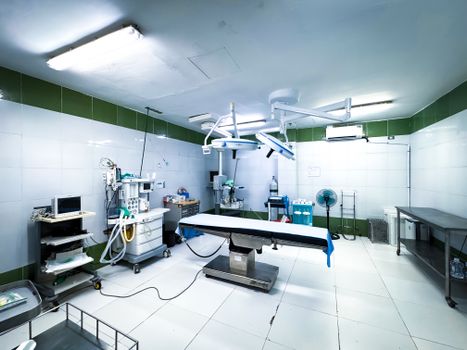
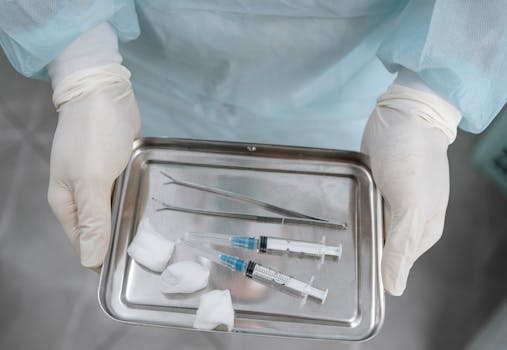
- Strict sterilization protocols for all surgical instruments - Single-use disposable materials wherever possible (syringes, gloves, gowns) - Regular staff training in infection control - State-of-the-art air filtration systems in operating rooms - Real-time patient monitoring and infection trackingIn 2022, Mumbai’s top medical facilities reported hospital-acquired infection rates below 2%, which is comparable to leading Western hospitals. When evaluating facilities, always ask for accreditation certificates and inquire about specific hygiene practices.
How to Choose Safe and Hygienic Hospitals and Clinics in Mumbai
One of the most critical steps to ensure your safety is selecting the right medical facility. Here’s a checklist to guide your decision:
1. $1: Look for NABH or JCI certification. These organizations regularly audit hospitals for compliance with international safety norms. 2. $1: Search for patient testimonials, independent reviews, and international patient satisfaction ratings. For example, more than 80% of international patients at Mumbai’s top five hospitals rated their hygiene standards as “excellent” in a 2023 survey. 3. $1: Hospitals that cater to medical tourists often have special departments for international patients, offering translators, personalized care, and strict hygiene oversight. 4. $1: Leading hospitals readily provide documentation on their infection control protocols and statistics. 5. $1: Before your procedure, request a virtual or in-person tour of the operating theater, patient rooms, and recovery areas to assess cleanliness firsthand.Below is a comparison table summarizing key safety and hygiene features across different types of facilities in Mumbai:
| Facility Type | Accreditation | Infection Control | International Patient Services | Average Hygiene Rating (out of 5) |
|---|---|---|---|---|
| Top Private Hospitals | NABH, JCI | Comprehensive, 24/7 | Yes | 4.8 |
| Mid-tier Private Clinics | Partial/NABH | Standard, Regular Checks | Limited | 4.2 |
| Public Hospitals | Varies | Basic, Overcrowded | No | 3.5 |
Pre-Travel Preparation: What Medical Tourists Must Do
Ensuring safety and hygiene starts well before you board your flight. Here are critical pre-travel steps every medical tourist should take:
- $1: Share your full medical history with your chosen Mumbai hospital in advance. This helps doctors plan your care and avoid complications. - $1: The Centers for Disease Control and Prevention (CDC) recommends routine vaccinations, plus hepatitis A, typhoid, and COVID-19 shots for travelers to Mumbai. Inquire about any hospital-specific requirements. - $1: Purchase comprehensive travel insurance that covers medical complications, emergency evacuation, and trip cancellations. - $1: Pack alcohol-based hand sanitizers, disinfectant wipes, and a personal thermometer. While Mumbai’s hospitals provide sterile environments, these items are useful during transit and outside the hospital. - $1: Inform your medical team about any allergies to medications, latex, or cleaning agents to prevent adverse reactions.Taking these steps reduces risks and ensures you arrive well-prepared for a safe medical experience.
On-Site Safety: What to Watch for During Your Stay in Mumbai
Once you arrive in Mumbai, vigilance is key to maintaining safety and hygiene, both inside and outside the hospital.
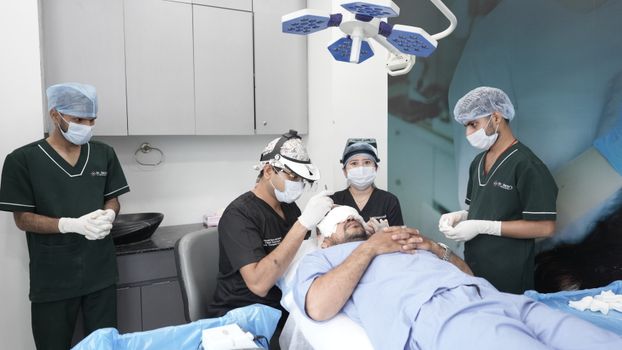
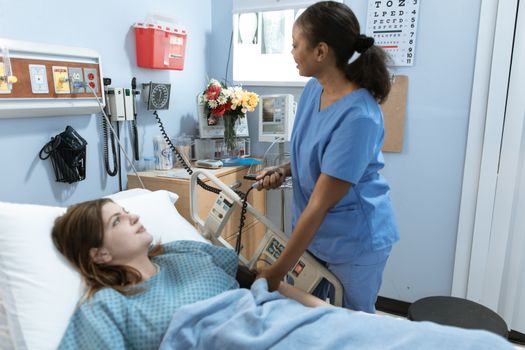
$1 - $1: Doctors, nurses, and all staff should wear gloves and masks during procedures. Hand hygiene should be strictly followed before touching patients. - $1: Patient rooms should be cleaned at least twice daily. Bathrooms and common areas must be disinfected regularly. - $1: Consume only hospital-provided meals and bottled water. Avoid raw salads, street food, or tap water to minimize infection risks. - $1: Hospitals with strict visitor regulations tend to have lower infection rates. Limit outside visitors and ensure that anyone entering your room follows hand hygiene protocols. $1 - $1: Choose hotels with strong cleanliness ratings and, preferably, those recommended by the hospital’s international patient department. - $1: Opt for hospital-arranged or reputable taxi services. Sanitize your hands after handling cash or tickets. - $1: Wash hands frequently, especially before eating or touching your face. Carry hand sanitizer and avoid crowded places when possible.Mumbai’s climate—hot and humid for much of the year—can increase the risk of certain infections. In 2023, the city reported over 7,000 dengue cases between June and September. Always use mosquito repellents and wear protective clothing if traveling during monsoon months.
Leveraging Technology for Enhanced Safety and Hygiene
Modern technology plays a significant role in upholding safety standards in Mumbai’s healthcare sector, especially for international patients.
- $1: Many Mumbai hospitals now offer pre-arrival video consultations and post-procedure follow-ups, reducing unnecessary in-person visits and exposure. - $1: Digital records ensure accuracy and minimize errors. You can securely share medical data with your home-country doctors for continuity of care. - $1: Use hospital-recommended apps to monitor vital signs, medication schedules, and hygiene reminders. In 2022, over 60% of Mumbai’s top hospitals integrated patient health apps with their services. - $1: Some leading hospitals deploy artificial intelligence tools to detect early signs of infection outbreaks and track hygiene compliance in real time.By leveraging these advancements, you can actively participate in your own safety and remain informed at every step.
Common Safety and Hygiene Pitfalls—and How to Avoid Them
Despite best intentions, some risks are unique to medical tourism in bustling cities like Mumbai. Here are common pitfalls and strategies to avoid them:
- $1: Tempting as it may be to save money, never compromise on certification. Unlicensed clinics can have poor hygiene, outdated equipment, and unqualified staff. - $1: Misunderstandings about aftercare or medication can lead to complications. Use translator services or apps, and always double-check instructions. - $1: Mumbai’s pollution and crowds can be taxing after surgery. Rest as recommended, avoid strenuous activity, and keep wounds clean and covered. - $1: If you develop fever, redness, or unusual pain, notify your doctor immediately. Early intervention prevents complications.A 2021 survey found that 92% of internationally reported medical complications in Mumbai involved patients who chose unaccredited facilities or failed to follow aftercare instructions. Due diligence and clear communication are your best defenses.
Ensuring a Safe and Hygienic Medical Tourism Experience: Key Takeaways
Mumbai’s reputation as a global medical tourism hub is built on its ability to offer world-class care at competitive prices. Yet, safety and hygiene should always be your top priorities. By selecting accredited hospitals, preparing thoroughly before travel, maintaining vigilance during your stay, and leveraging technology, you can dramatically reduce health risks.
Remember, the majority of international patients in Mumbai report high satisfaction with hospital hygiene and safety protocols. However, your active participation—through careful planning, open communication, and adherence to best practices—remains essential for a safe and successful medical journey.