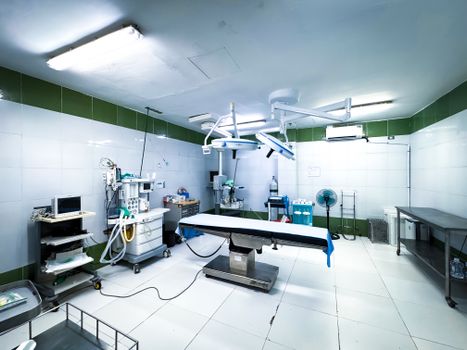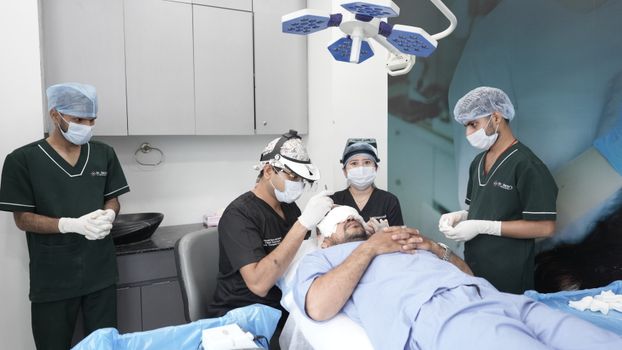
Mumbai has long been recognized as a powerhouse in India’s healthcare landscape. From state-of-the-art hospitals to expert doctors, the city offers a spectrum of medical services that rival global standards. But what truly sets Mumbai apart is its commitment to delivering high-quality yet cost-effective medical treatments. For both Indian residents and international patients, Mumbai’s healthcare centers provide accessible options that blend affordability with excellence. This article explores the various aspects of cost-effective medical treatments in Mumbai, including the types of services available, the factors driving affordability, and how the city’s healthcare centers compare with those in other major urban hubs.
Understanding Cost-Effectiveness in Mumbai’s Healthcare
Cost-effectiveness in medical care refers to achieving the best possible health outcomes at the lowest possible costs. In Mumbai, this is not about cutting corners, but about maximizing value for patients. The city’s healthcare centers achieve this balance through several means:
1. $1: Mumbai’s hospitals and clinics are adept at managing resources, from personnel to medical equipment. By streamlining processes, they are able to reduce unnecessary expenses. 2. $1: With over 500 hospitals and countless clinics, Mumbai’s healthcare sector is highly competitive. This drives providers to offer top-notch services at prices that are accessible to a broad demographic. 3. $1: Many medical institutions in Mumbai operate on a not-for-profit basis or benefit from government subsidies, making treatments more affordable for those in need.For example, the average cost of a coronary angioplasty in a private Mumbai hospital ranges from INR 1,20,000 to INR 2,50,000 (about USD 1,440–3,000), while the same procedure in the US can cost upwards of USD 20,000. These vast differences make Mumbai an attractive destination for affordable healthcare.
Types of Cost-Effective Treatments Available
Mumbai’s healthcare centers offer a broad spectrum of cost-effective medical treatments, catering not only to routine healthcare needs but also to complex and specialized procedures. Here are some examples:
1. $1: Mumbai is home to some of India’s leading heart care centers, such as Asian Heart Institute and Kokilaben Dhirubhai Ambani Hospital. Procedures like angioplasty, bypass surgery, and pacemaker implantation are available at a fraction of international prices. 2. $1: Knee and hip replacements, which can cost over USD 30,000 in Western countries, are available in Mumbai for INR 2,00,000–4,00,000 (USD 2,400–4,800). 3. $1: Mumbai’s Tata Memorial Hospital is a pioneer in affordable cancer care, offering subsidized or free treatment to thousands of patients annually. Chemotherapy sessions can cost as low as INR 5,000 (USD 60) per cycle. 4. $1: Regular dialysis sessions in Mumbai’s specialized centers are available for INR 1,000–2,500 (USD 12–30) per session, compared to over USD 200 per session in the United States. 5. $1: Mumbai is also emerging as a hub for aesthetic procedures such as rhinoplasty, liposuction, and hair transplants, which are significantly more affordable compared to Western countries.Key Factors Behind Mumbai’s Affordable Medical Treatments
Several unique factors contribute to Mumbai’s reputation for cost-effective medical care:
1. $1: Mumbai’s large patient base allows hospitals to operate at higher volumes, reducing per-patient costs. 2. $1: The city’s robust system of medical education produces a steady stream of qualified doctors, nurses, and technicians, helping to keep labor costs reasonable without compromising on skill. 3. $1: Many Mumbai hospitals invest in the latest medical technology, enabling them to perform complex procedures more efficiently and with better outcomes, which in turn lowers overall costs due to fewer complications and shorter hospital stays. 4. $1: Many hospitals offer tiered services, allowing patients to choose between different room types and service levels, which helps make essential treatments accessible to a wider income range. 5. $1: Government hospitals, trust-run institutions, and private hospitals coexist and often collaborate, creating a diverse ecosystem that encourages innovation in cost management.Comparison: Mumbai vs Other Indian Metropolitan Cities
How does Mumbai stack up against other major cities in India—such as Delhi, Bangalore, and Chennai—when it comes to cost-effective medical treatments? While all these cities boast excellent healthcare infrastructure, Mumbai distinguishes itself through its unique combination of affordability, quality, and accessibility.
| City | Average Cost of CABG (Bypass Surgery) | Average Cost of Total Knee Replacement | Number of NABH-Accredited Hospitals |
|---|---|---|---|
| Mumbai | INR 2,00,000 – 4,00,000 | INR 1,50,000 – 3,00,000 | 46 |
| Delhi | INR 2,50,000 – 5,00,000 | INR 1,80,000 – 3,50,000 | 57 |
| Bangalore | INR 2,20,000 – 4,50,000 | INR 1,60,000 – 3,20,000 | 32 |
| Chennai | INR 2,00,000 – 4,00,000 | INR 1,40,000 – 2,80,000 | 38 |
The table above highlights that Mumbai’s costs are highly competitive and often lower than Delhi or Bangalore, while offering a large number of NABH-accredited (National Accreditation Board for Hospitals) institutions, which is a testament to its commitment to quality.
Cost-Saving Strategies for Patients in Mumbai
Patients seeking affordable medical care in Mumbai can further enhance cost-effectiveness by adopting several strategies:
1. $1: These centers often provide bundled packages that combine consultation, diagnostics, surgery, and post-operative care, leading to overall savings. 2. $1: Elective procedures scheduled during off-peak periods may qualify for discounts. 3. $1: Institutions like Tata Memorial Hospital and KEM Hospital offer subsidized or free treatments for eligible patients. 4. $1: Many hospitals in Mumbai accept both Indian and international health insurance plans, reducing out-of-pocket expenses. 5. $1: The rise of telemedicine and minimally invasive daycare procedures has slashed costs related to hospital stays and follow-up visits. 6. $1: Mumbai’s large network of specialists makes it easy to seek second opinions, ensuring that patients are not subjected to unnecessary or overpriced treatments.Real-Life Examples: Affordable Excellence in Mumbai
The stories of patients who have benefited from Mumbai’s cost-effective healthcare are as varied as they are inspiring. Consider the case of Ramesh, a 45-year-old from Uttar Pradesh, who underwent a successful kidney transplant at a leading Mumbai hospital for INR 5.5 lakh (USD 6,600)—less than one-fifth the average cost in the United States. The hospital’s patient support program also helped him receive donor matching and post-surgery care at subsidized rates.
Another example is Maya, a breast cancer patient from Kenya, who received chemotherapy and surgery at Tata Memorial Hospital for a combined cost of INR 2 lakh (USD 2,400). Her entire treatment, including hospital stay and medications, was managed at one-tenth the cost quoted by hospitals in Europe, with no compromise on quality or outcome.
Statistics from the Maharashtra Health Department reveal that over 100,000 patients from outside Mumbai visit the city annually for specialized treatments, citing affordability as a key factor.
The Future of Cost-Effective Healthcare in Mumbai
Mumbai’s healthcare ecosystem shows no signs of slowing down. With investments in digital health, robotic surgeries, and telemedicine, the city is poised to make medical treatments even more accessible and affordable. By 2025, experts predict that Mumbai will see a 15% increase in the number of accredited hospitals and a 20% rise in the adoption of advanced, cost-saving medical technologies.
Furthermore, the growing collaboration between the public and private sectors is expected to expand subsidized treatment programs, benefitting both domestic and international patients.
Conclusion
Mumbai’s healthcare centers have redefined the concept of cost-effective medical treatment. By blending advanced technology, skilled medical professionals, and innovative cost management strategies, the city offers high-quality care at prices that make sense for both Indian and international patients. Whether it’s a life-saving surgery, chronic disease management, or cosmetic procedures, Mumbai’s healthcare sector proves that excellence does not have to come at an exorbitant cost. As the city continues to evolve as a healthcare leader, patients can look forward to even more accessible and affordable treatment options in the years ahead.