Mumbai, often called the "Gateway of India," has emerged as a beacon for people from around the globe seeking affordable, high-quality medical care. While much has been written about its world-class hospitals and the booming industry, the real story lies in the voices of the patients themselves. Their journeys—often filled with hope, anxiety, and cultural discovery—paint a vivid picture of what medical tourism in Mumbai truly means. This article delves into patient experiences, from the decision to travel to Mumbai for treatment, through hospital stays, to the journey home, revealing the human side of medical tourism in India’s bustling metropolis.
The Patient Journey: From Decision to Arrival in Mumbai
For many international patients, the journey to Mumbai begins with extensive research. A 2023 survey by the Federation of Indian Chambers of Commerce and Industry (FICCI) found that over 72% of medical tourists cite word-of-mouth, online patient forums, and hospital testimonials as their primary sources of information.
Patients like Sarah, a 44-year-old from Kenya, recount spending weeks comparing options across countries. “Cost was a major factor, but so was quality. Mumbai had the right balance.” The city’s reputation for English-speaking doctors, internationally accredited hospitals, and transparent pricing often tips the scales.
Upon arrival, most patients are met at the airport by hospital liaisons—a service highlighted by 85% of surveyed patients as "very helpful." These representatives help navigate customs, offer transportation, and provide essential first guidance, which is especially valuable for patients with limited mobility or language barriers.
Inside Mumbai’s Hospitals: Comfort, Culture, and Care
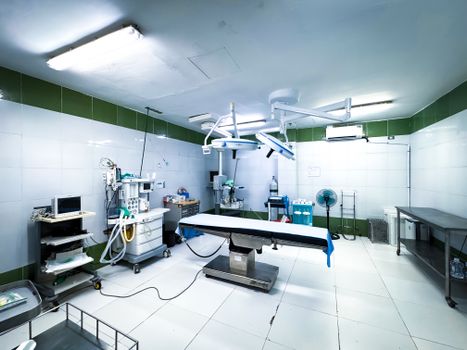
Once admitted, the experience inside Mumbai’s hospitals can be both reassuring and surprising. Mumbai’s leading private hospitals, such as Kokilaben Dhirubhai Ambani Hospital and Apollo Hospitals, boast JCI or NABH accreditations and amenities that rival Western institutions. Private rooms with Wi-Fi, international menus, and 24/7 interpreters are increasingly the norm.
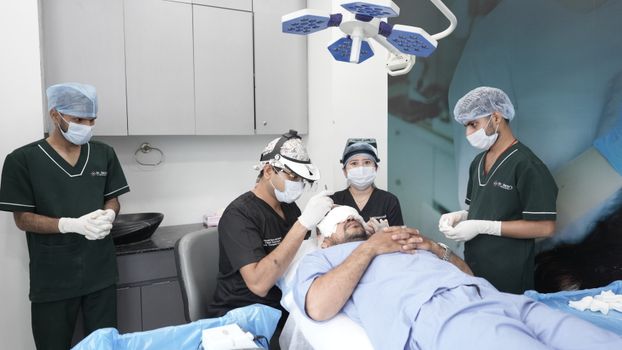
However, patient experiences also reveal unique cultural aspects. Many patients, like John from the UK, are struck by the warmth and attentiveness of Indian nursing staff. “There’s a level of personal attention here I hadn’t experienced elsewhere,” he recalls.
Cultural sensitivity is another area where Mumbai excels. Hospitals often cater to dietary restrictions—offering halal, vegetarian, or custom meals—and provide prayer rooms, recognizing the diverse backgrounds of their patients. A 2022 report by the Medical Tourism Association found that 67% of Muslim medical tourists rated Mumbai as "highly accommodating" for religious and cultural needs.
Yet, the bustling environment of Mumbai’s hospitals can sometimes be overwhelming. The sheer volume of patients, busy corridors, and the city’s characteristic hustle may initially unsettle some visitors. Most, however, report adapting quickly, with hospital staff on hand to guide and reassure.
Communication, Support, and Navigating the System
Effective communication is often cited as a make-or-break factor in patient satisfaction. Mumbai’s hospitals have made significant strides, with over 90% of international patient departments employing multilingual coordinators. These professionals bridge linguistic and cultural gaps, ensuring that patients understand procedures, consent forms, and aftercare instructions.
Patients also benefit from dedicated case managers who coordinate appointments, manage paperwork, and act as a single point of contact. According to a 2023 survey by India’s Ministry of Tourism, 78% of medical tourists found these coordinators "crucial" for reducing stress and confusion.
Despite these efforts, some patients encounter challenges—particularly with complex medical terms, follow-up care logistics, or insurance processing. Feedback indicates that while most hospitals are responsive, clarity around billing and discharge processes can be improved. This is especially true for patients from countries with very different healthcare systems.
Beyond Treatment: Recovery, Hospitality, and Exploring Mumbai
Mumbai’s appeal for medical tourists extends well beyond hospital walls. Many patients and their families choose to stay in the city for extended periods, either for pre- or post-operative recovery. The hospitality sector has responded with “meditels”—hotels tailored to recovering patients, offering wheelchair access, special diets, and even on-call nurses.
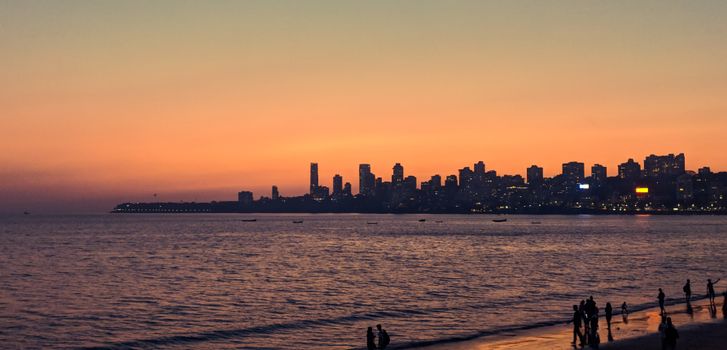
Recovery experiences are often enhanced by the city’s cosmopolitan culture. Patients report enjoying Mumbai’s vibrant street food, historic sites, and ocean views. For many, gentle outings to places like Marine Drive or the Gateway of India become part of their healing journey.
One unique aspect is the role of local facilitators—agencies that help patients arrange sightseeing, shopping, and cultural experiences. The 2022 Medical Tourism Index notes that over 60% of international patients in Mumbai participated in at least one local tour during their stay.
Of course, navigating Mumbai’s traffic and climate can be challenging, especially for those with mobility issues or health sensitivities. However, most patients describe the overall experience as enriching, with the city’s warmth and diversity leaving a lasting impression.
Comparing Patient Experiences: Mumbai vs. Other Medical Tourism Hubs
How do patients’ experiences in Mumbai compare to those in other global medical tourism destinations? Data from the International Medical Travel Journal (IMTJ) provides some insights:
| Aspect | Mumbai | Bangkok | Istanbul | Dubai |
|---|---|---|---|---|
| Average Cost Savings (vs. US) | 60-80% | 50-70% | 40-60% | 30-50% |
| International Patient Volume (2023) | ~250,000 | ~300,000 | ~120,000 | ~100,000 |
| Common Languages Offered | English, Hindi, Arabic, French | English, Thai, Chinese, Arabic | English, Turkish, Arabic, Russian | English, Arabic, Hindi, Urdu |
| Patient Satisfaction Rate | 89% | 92% | 87% | 85% |
| Average Wait Time for Procedures | 7-14 days | 3-10 days | 7-21 days | 5-14 days |
Mumbai stands out for its high satisfaction rates, broad language support, and significant cost savings. While Bangkok leads in patient volume and slightly shorter wait times, Mumbai’s combination of hospitality, cultural accommodation, and comprehensive aftercare is frequently praised by patients.
Challenges and Lessons from Patient Stories
Despite the overwhelmingly positive feedback, patient experiences in Mumbai’s medical tourism sector are not without challenges. Some of the most commonly reported issues include:
- $1 Visa processes and paperwork can be complex, particularly for patients from Africa or the Middle East. In 2023, India’s e-medical visa program helped, but delays still occur. - $1 Coordinating follow-up care with home-country physicians remains a concern. Around 22% of patients in a recent survey reported difficulties in transferring records or getting post-treatment support. - $1 While most adapt quickly, a minority of patients report initial discomfort with local customs, food, or climate. Orientation sessions and cross-cultural training are becoming more common as a result.These challenges are balanced by important lessons. Many patients emphasize the value of choosing accredited hospitals, engaging with reputable facilitators, and maintaining open communication with both local and home-country providers.
Real Patient Stories: Voices from Mumbai’s Medical Tourism Scene
To truly understand Mumbai’s impact on medical tourists, it helps to hear directly from those who have made the journey:
- $1 “I came for a kidney transplant. The hospital arranged everything, even my husband’s accommodation. The staff prayed with us before surgery—it meant a lot.” - $1 “I was nervous about the language, but my coordinator spoke Russian. The city was noisy, but the doctors were world-class. I left with new friends.” - $1 “My child needed heart surgery. I appreciated the halal meals and the children’s playroom. Mumbai felt like a second home.”These testimonials echo a common theme: Mumbai is not just a place for treatment, but a city that embraces its international patients, offering both medical excellence and a deeply human touch.
Reflections on Patient Experiences in Mumbai's Medical Tourism
Mumbai’s role as a leading medical tourism destination is rooted in more than just state-of-the-art facilities and competitive prices. The city’s true strength lies in the collective experiences of its patients—stories of courage, adaptation, and healing in a vibrant, multicultural setting. While challenges remain, Mumbai continues to innovate, guided by the voices and needs of the people it serves. As global healthcare becomes ever more interconnected, patient experiences in Mumbai offer valuable lessons in empathy, hospitality, and the pursuit of better health.