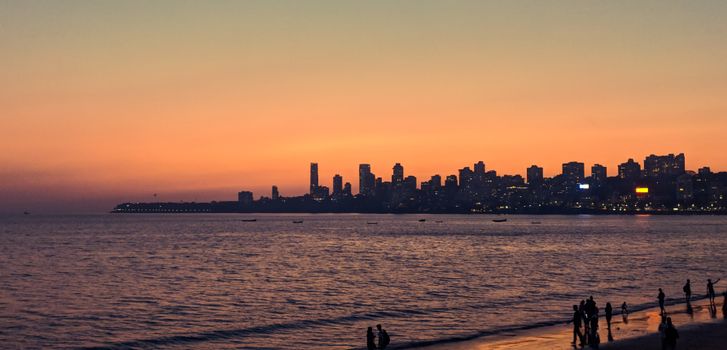
Mumbai has rapidly emerged as a global hotspot for medical tourism, drawing thousands of foreign patients each year seeking high-quality healthcare at affordable prices. While the city is renowned for its cutting-edge hospitals and internationally accredited specialists, what truly drives this influx? What health issues do international travelers most commonly address in Mumbai? Understanding these trends can help patients make informed choices, and shed light on Mumbai’s unique role in the global medical tourism landscape.
Understanding Medical Tourism in Mumbai: The Patient Perspective
Medical tourism in Mumbai isn’t just about saving money—it’s often about finding solutions to complex health challenges. According to a 2023 report by the Ministry of Tourism, India welcomed over 650,000 medical tourists, with Mumbai accounting for nearly 30% of these visits. International patients come from Africa, the Middle East, Southeast Asia, Europe, and even North America, seeking not just affordability but advanced expertise.
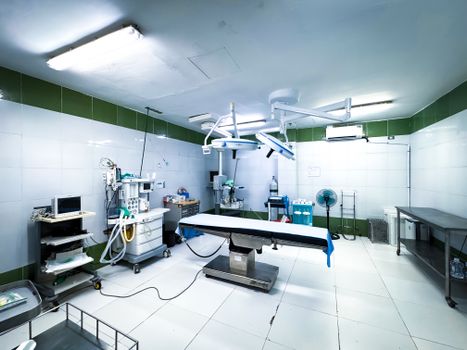
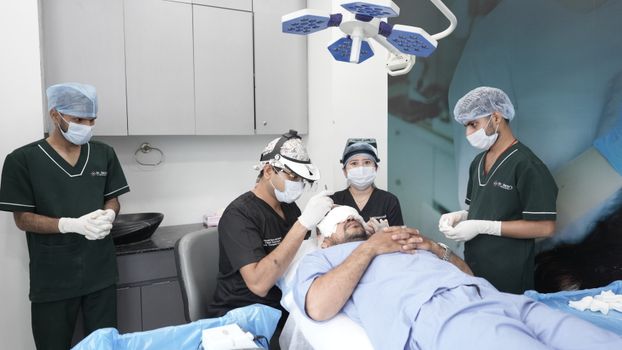
The most frequently addressed health issues include chronic conditions that require specialized care, elective surgeries, and treatments that may be unavailable or prohibitively expensive in patients’ home countries. Mumbai’s hospitals offer a blend of state-of-the-art technology, multilingual staff, and streamlined processes for medical travelers, making the city an attractive destination.
Cardiac Care: A Leading Reason for International Visits
Heart disease remains the world’s leading cause of death, and Mumbai has become a hub for advanced cardiac care. Many foreign patients travel specifically for procedures such as coronary artery bypass grafting (CABG), angioplasty, and valve replacements.
A key driver is cost. For instance, a CABG procedure in the US can cost upwards of $120,000, while in Mumbai, patients may pay between $5,000 and $8,000 for the same surgery, with comparable outcomes. Mumbai’s top hospitals, such as Asian Heart Institute and Kokilaben Dhirubhai Ambani Hospital, boast internationally trained cardiologists and cutting-edge facilities.
Outcomes are impressive: Indian cardiac centers report success rates of 98-99% for most heart surgeries, on par with global standards. The integration of comprehensive rehabilitation and personalized care plans further appeals to international patients, especially from the Middle East and Africa, where cardiac expertise or resources may be limited.
Orthopedic Treatments: Restoring Mobility and Quality of Life
Orthopedic issues—such as joint replacements, spinal surgeries, and sports injury repairs—are another major draw for foreign patients in Mumbai. Ageing populations and rising rates of osteoarthritis worldwide mean that hip and knee replacements are in high demand.
According to a 2022 survey by the Indian Medical Association, 22% of foreign medical tourists in Mumbai sought orthopedic procedures. The cost advantage is striking: a total knee replacement in the US averages $30,000-$50,000, while in Mumbai, it can be performed for $6,000-$9,000, including hospital stay and rehabilitation.
Mumbai’s orthopedic centers also offer minimally invasive techniques and rapid recovery programs, reducing downtime for international visitors. Hospitals like Breach Candy and Lilavati are equipped with advanced robotic surgery suites and 3D imaging, providing accuracy and faster healing.
Cancer Treatment: Advanced Oncology at Affordable Prices
Cancer care is a critical concern for many medical travelers. Mumbai is home to world-class oncology centers such as Tata Memorial Hospital and HCG Cancer Centre, attracting patients from countries with limited or costly cancer treatment options.
Mumbai hospitals provide:
- Comprehensive cancer diagnostics (PET scans, molecular profiling) - Advanced treatments (IMRT, IGRT, proton therapy, chemotherapy, immunotherapy) - Multidisciplinary tumor boards for personalized treatment plansA comparative look at costs and outcomes further explains Mumbai’s appeal:
| Treatment | Average Cost in US ($) | Average Cost in Mumbai ($) | Reported 5-Year Survival Rate (Global Avg.) |
|---|---|---|---|
| Breast Cancer Surgery + Chemo | 60,000 | 9,000 | 90% |
| Prostate Cancer Surgery | 35,000 | 7,500 | 98% |
| Lung Cancer Surgery | 45,000 | 8,500 | 56% |
In addition to affordability, Mumbai offers access to clinical trials and targeted therapies that may not be available elsewhere. Language support, psychological counseling, and patient navigators make the experience less daunting for international visitors.
Cosmetic and Reconstructive Surgery: Combining Wellness and Aesthetics
Mumbai is also a top destination for cosmetic and reconstructive procedures. Patients from the UK, Middle East, and Africa often seek:
- Rhinoplasty (nose reshaping) - Liposuction and body contouring - Facelifts and eyelid surgery - Gender affirmation surgery - Burn and trauma reconstructionWhy Mumbai? Beyond cost savings (procedures can be 60-80% cheaper than in Western countries), the city’s plastic surgeons are internationally accredited, and many hospitals use the latest laser and endoscopic technologies. Recovery suites and post-operative care are tailored for overseas patients, allowing them to recuperate in comfort.
A notable trend is the rise in medical travelers opting for combined treatments—such as dental implants with facial aesthetics—capitalizing on Mumbai’s expertise and value.
Fertility Treatments: Addressing Reproductive Health Challenges
Infertility affects an estimated 48 million couples worldwide, and Mumbai has established itself as a center for advanced reproductive medicine. Foreign patients visit for:
- In vitro fertilization (IVF) - Intracytoplasmic sperm injection (ICSI) - Egg/sperm donation and surrogacy - Pre-implantation genetic diagnosis (PGD)Mumbai’s fertility clinics, including Jaslok Hospital and Nova IVF, report success rates of 40-60% per IVF cycle—comparable to the best global centers. Treatment costs are substantially lower: a single IVF cycle in Mumbai averages $2,500-$4,000, compared to $12,000-$15,000 in the US.
International patients are drawn by the expertise of Mumbai’s reproductive endocrinologists, state-of-the-art embryology labs, and supportive legal frameworks for surrogacy and egg donation.
Infectious Diseases and Tropical Medicine: Specialized Expertise
While elective surgeries dominate medical tourism, a segment of foreign patients comes to Mumbai to address infectious diseases, especially those prevalent in tropical regions. Mumbai’s hospitals have specialized units for:
- Tuberculosis (including drug-resistant TB) - Hepatitis B and C - Malaria and dengue management - HIV/AIDSTravelers from sub-Saharan Africa, Southeast Asia, and even Europe seek expertise in diagnosing and managing these conditions. Mumbai’s infectious disease specialists offer cutting-edge diagnostics, personalized treatment regimens, and robust infection control protocols. The city’s role in clinical research and new drug trials further enhances its reputation as a leader in tropical medicine.
Specialized Pediatric Care: Addressing Complex Child Health Issues
Parents from across Asia, Africa, and the Middle East travel to Mumbai seeking advanced care for their children. Major pediatric health concerns addressed include:
- Congenital heart defects - Pediatric cancer - Organ transplants (liver, kidney) - Neurological disorders (epilepsy, cerebral palsy)Mumbai’s dedicated children’s hospitals, such as Wadia Hospital and SRCC Children’s Hospital, have pediatric ICUs, child-friendly environments, and multidisciplinary teams. For example, pediatric cardiac surgery in Mumbai has a success rate exceeding 95%, with costs often 70% lower than in the West.
Final Thoughts: Mumbai’s Growing Role in Addressing Global Health Needs
Mumbai’s healthcare system stands out not just for its affordability, but for its breadth of expertise across diverse medical specialties. From life-saving cardiac and cancer care to cutting-edge fertility treatments and complex pediatric surgeries, the city addresses a wide spectrum of health issues for international patients. With world-class infrastructure, internationally accredited hospitals, and a patient-centered approach, Mumbai continues to attract medical travelers seeking solutions that might be out of reach at home.
As healthcare costs rise globally, and as waiting times and access barriers persist in many countries, Mumbai’s position as a medical tourism leader is likely only to strengthen in the years ahead.