Traveling to Mumbai for medical care can be a transformative experience, offering access to world-class treatments at competitive prices. However, your journey to better health doesn’t end when you board the flight home. In fact, the period after returning home is just as crucial as the medical procedure itself. Adapting to post-treatment life, understanding how to maintain your results, and managing recovery in a familiar but potentially less intensive healthcare environment are all vital components of a successful medical tourism outcome.
This comprehensive guide will walk you through the essential steps to take care of your health after returning home from medical tourism in Mumbai. Whether you underwent surgery, received specialized therapy, or completed a complex diagnostic journey, these strategies will help you protect your investment in your health, avoid common pitfalls, and achieve the best possible long-term results.
The Importance of Post-Medical Tourism Care at Home
Many patients focus heavily on choosing the right hospital or doctor in Mumbai, but fewer give equal attention to what happens next. According to the International Medical Travel Journal, up to 20% of medical tourists experience complications, often because of inadequate follow-up care once they return home. Furthermore, a 2023 study by the Medical Tourism Association found that patients with structured post-treatment plans are 40% less likely to be readmitted or experience setbacks.
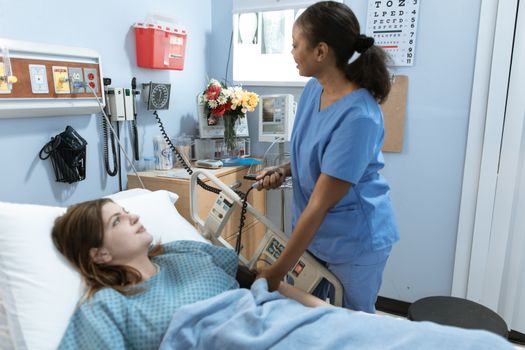
Your homecoming marks a transition: you move from a highly supervised environment in Mumbai’s hospitals to the relative independence of your home. Here, the responsibility for aftercare shifts significantly to you and your local healthcare providers. Ensuring continuity of care, managing medications, monitoring for complications, and sticking to rehabilitation protocols are all critical. Without proper attention, the benefits of your Mumbai medical experience could be diminished or even reversed.
Coordinating With Your Local Healthcare Providers
One of the most important steps after returning home is to re-establish contact with your primary care physician or specialist. Bring all medical documentation from Mumbai, including discharge summaries, operative reports, test results, and medication lists. This will give your local doctor a clear picture of what was done and what ongoing care is required.
It’s advisable to schedule a follow-up appointment within the first week of your return. During this visit, your doctor can:
- Review your treatment and recovery plan - Check for signs of complications or infections - Order any necessary follow-up tests or imaging - Adjust medications as needed for your home environmentRemember that healthcare protocols may vary between countries. For example, antibiotics commonly prescribed in India may differ from those preferred in your home country, and some medications may not be available locally. Open communication between your Mumbai specialist and local doctor can bridge these gaps.
Managing Medications and Treatment Protocols Safely
Medication management is a common challenge for returning medical tourists. Prescriptions filled in Mumbai might have different brand names, dosages, or formulations than those in your home country. It’s not uncommon for patients to inadvertently double-dose or stop necessary medications due to confusion.
A 2022 survey by Patients Beyond Borders found that nearly 15% of returning medical tourists experienced medication errors after returning home.
Key tips for safe medication management include:
- Create a detailed medication chart with dosages, timing, and purpose for each prescription. - Translate prescriptions if necessary, especially if they are written in Hindi, Marathi, or another language. - Consult your local pharmacist to ensure no drug interactions with medications you typically use at home. - Never stop or switch off medications without medical advice, even if you feel better.If your treatment involved specific protocols (such as wound care, injections, or physiotherapy), ensure you understand them fully before leaving Mumbai. Ask for written instructions or video demonstrations if possible.
Monitoring for Complications and Recognizing Warning Signs
Awareness of potential post-procedure complications is crucial. While Mumbai’s hospitals are increasingly accredited by the Joint Commission International (JCI) and follow global standards, every medical intervention carries risks. Common early complications include infection, blood clots, and delayed healing.
Below is a comparison table of typical complications by procedure and recommended actions:
| Procedure Type | Common Complications | Warning Signs | Action |
|---|---|---|---|
| Orthopedic Surgery | Infection, clotting | Redness, swelling, fever, leg pain | Seek immediate medical attention |
| Cardiac Procedures | Arrhythmia, wound infection | Irregular heartbeat, chest pain, pus | Contact cardiologist urgently |
| Cosmetic Surgery | Hematoma, delayed healing | Severe bruising, persistent pain | Visit local plastic surgeon |
| Dental Procedures | Infection, nerve injury | Facial swelling, numbness, fever | See dentist within 24 hours |
Always keep your Mumbai clinic’s emergency contact information handy. Many offer online or telemedicine follow-up services for international patients, which can be invaluable for urgent questions.
Supporting Long-Term Recovery and Rehabilitation
Recovery doesn’t end when wounds heal or stitches are removed. Long-term rehabilitation is essential for lasting results, especially after orthopedic, cardiac, or neurological procedures. Many Mumbai hospitals provide a discharge plan, but its success hinges on your ability to follow through at home.
Key strategies for supporting recovery include:
- Enroll in local physiotherapy or rehabilitation programs tailored to your procedure - Follow dietary guidelines, especially if you were prescribed a therapeutic diet (e.g., low-sodium for heart patients) - Monitor your progress with a recovery diary, noting pain levels, daily milestones, and any concerns - Join support groups (online or local) for patients who underwent similar proceduresA 2021 study in the Journal of Rehabilitation Medicine found that patients who actively participated in structured rehabilitation had up to 50% faster recovery times compared to those who did not.
If you face barriers to accessing rehab services in your area, consult your Mumbai provider about virtual physiotherapy or remote check-ins.
Maintaining Medical Records and Ensuring Continuity of Care
Efficient management of your medical records is often overlooked but is crucial for future care. Keep both paper and digital copies of all documents from your Mumbai treatment — including X-rays, MRI scans, lab results, and operative notes.
Organize these records in a dedicated folder or upload them to a secure cloud storage service. This facilitates easy sharing with any healthcare provider you may see in the future, whether for routine checkups or emergency visits.
Many patients find it helpful to:
- Use health apps that track medications, appointments, and symptoms - Request summaries of all follow-up visits, both in Mumbai and at home - Inform future physicians about your medical tourism experience, as it may impact treatment choicesIn some countries, you can also register your overseas procedure with national health authorities or insurance providers, which may be necessary for ongoing coverage.
Emotional and Psychological Well-being After Medical Tourism
Returning home after an intense medical experience abroad can be emotionally challenging. Some patients report feelings of isolation, anxiety about complications, or “reverse culture shock” as they transition from Mumbai’s hospital environment to home life.
A 2020 survey by the International Medical Travel Journal found that 12% of returning medical tourists experienced heightened anxiety or mild depression during the first month back.
To support your mental well-being:
- Stay connected with fellow patients or online forums for medical tourists - Talk openly with family and friends about your experience and your needs - Seek counseling or support services if you struggle with post-procedure anxiety or depressionRemember, recovery is not just physical — your emotional health matters, too.
Final Steps for a Healthy Recovery After Mumbai Medical Tourism
Taking care of your health after returning home from medical tourism in Mumbai is a multi-faceted process. It demands proactive communication with your local medical providers, careful medication management, vigilant monitoring for complications, and long-term commitment to rehabilitation. Equally important is maintaining organized records and supporting your emotional well-being.
Your successful outcome depends not just on the expertise found in Mumbai’s hospitals, but also on how you manage your recovery journey at home. By following these strategies and remaining attentive to your body and mind, you can truly optimize the benefits of your medical tourism experience and enjoy a healthier future.