Traveling to Mumbai for medical care is an increasingly popular choice for international patients seeking world-class treatment at competitive prices. With over 80,000 medical tourists arriving in Mumbai annually, the city is a global hotspot for healthcare services. One of the most critical decisions for any medical tourist is whether to choose a private or public hospital for treatment. Both options have their own unique strengths and potential drawbacks. Understanding these differences can help you make an informed decision that aligns with your health needs, expectations, and budget.
Understanding Mumbai’s Hospital Landscape
Mumbai, India’s financial capital, is home to a diverse array of hospitals. There are more than 1500 hospitals in the city, including over 80 major private hospitals and 40 government (public) hospitals. This robust infrastructure caters to both local residents and international medical tourists, offering a wide spectrum of services from routine checkups to advanced surgical procedures.
Private hospitals in Mumbai are often multi-specialty centers with state-of-the-art technology and internationally trained doctors. On the other hand, public hospitals—also referred to as government hospitals—are typically larger in capacity, serving a broader population and often affiliated with teaching institutions.
As a medical tourist, your choice between these two types of hospitals will depend on several factors including treatment quality, cost, waiting times, and the overall patient experience. Let’s break down these aspects in detail.
Quality of Care and Facilities: What to Expect
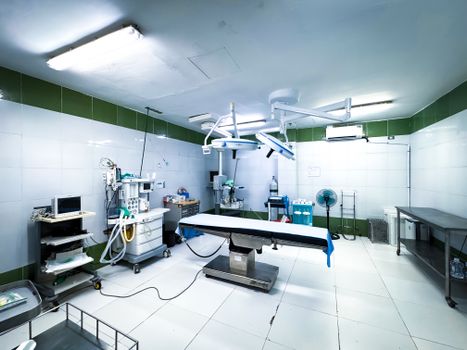
Quality of care is paramount when you’re seeking medical treatment abroad. Private hospitals in Mumbai such as Kokilaben Dhirubhai Ambani Hospital, Jaslok Hospital, and Lilavati Hospital are internationally accredited, often by organizations like JCI (Joint Commission International) or NABH (National Accreditation Board for Hospitals). These facilities are known for their modern infrastructure, advanced diagnostic equipment, and high standards of hygiene.
Public hospitals like King Edward Memorial (KEM) Hospital and Lokmanya Tilak Municipal General (Sion) Hospital, while renowned for their expertise and capacity, may not always match the ambiance and amenities of private institutions. However, many public hospitals are teaching hospitals, which means they attract highly qualified doctors and are often at the forefront of medical research.
A 2022 report by the Medical Tourism Association noted that 87% of international patients in Mumbai chose private hospitals for their procedures, citing consistent quality and personalized care as primary reasons.
Cost Comparison: Breaking Down the Expenses
One of the most significant differences between private and public hospitals in Mumbai is the cost of treatment. Private hospitals generally charge higher fees, reflecting their advanced infrastructure, shorter waiting times, and superior patient services. Public hospitals, subsidized by the government, offer dramatically lower rates—even for foreign nationals.
Here’s a comparative overview of typical costs for common procedures:
| Procedure | Private Hospital (USD) | Public Hospital (USD) |
|---|---|---|
| Coronary Bypass Surgery | 6,500 - 10,000 | 1,500 - 2,500 |
| Knee Replacement | 5,500 - 9,000 | 1,200 - 2,000 |
| Basic MRI Scan | 120 - 200 | 20 - 60 |
| Appendectomy | 2,000 - 3,500 | 500 - 800 |
As seen above, private hospital costs can be 3-5 times higher than public hospitals. However, many medical tourists are willing to pay this premium for enhanced comfort, privacy, and faster service.
Waiting Times and Patient Flow
Time is often a crucial factor for medical tourists who need efficient scheduling and minimal delays. Private hospitals typically offer much shorter waiting times for appointments, diagnostic tests, and surgeries. For example, an MRI scan can often be scheduled within a day or two at a private hospital, whereas the same scan at a public hospital may involve a wait of several weeks due to higher patient volume.
Public hospitals in Mumbai serve thousands of patients daily, resulting in longer queues and potential delays for non-emergency procedures. However, in life-threatening emergencies, both private and public hospitals provide prompt care. It’s important to ask in advance about expected waiting periods, especially if your travel itinerary is tight.
International Patient Services and Support
Private hospitals in Mumbai have recognized the needs of international patients and offer tailored services to ensure a smooth experience. Dedicated international patient departments provide assistance with:
- Visa facilitation and invitation letters - Airport transfers and local transportation - Language interpretation (Hindi, English, Arabic, Russian, and more) - Appointment coordination and follow-up scheduling - Assistance with lodging and travel arrangements for accompanying familyFor instance, Apollo Hospitals Mumbai reports that their International Patient Services team handles over 2,500 foreign patients every year, offering 24/7 helplines and dedicated case managers.
Public hospitals, due to resource constraints and higher patient loads, usually offer limited support for international patients. While some teaching hospitals have begun to establish international desks, the level of service is not yet comparable to that of private institutions.
Accreditation, Safety, and Transparency
International accreditation is an important benchmark for safety, quality, and transparency. At least 22 private hospitals in Mumbai hold international certifications such as JCI or ISO, which require adherence to rigorous standards in patient care, infection control, and facility management.
Public hospitals, while subject to Indian government regulations, may not always possess international accreditation. However, many have strong reputations in specific specialties like cardiology, oncology, and trauma care due to their high patient volumes and experienced medical staff.
Transparency in billing and treatment plans is another area where private hospitals excel. Detailed estimates, itemized bills, and clear communication are standard practice. Public hospitals generally offer more basic documentation and may have less flexibility in providing detailed cost breakdowns for foreign patients.
Which Hospital Type Suits Your Needs? Key Considerations
To make a well-informed decision, consider the following factors:
- $1 If cost is a primary concern, public hospitals offer exceptional value, though with trade-offs in comfort and service. Private hospitals are costlier but provide a smoother overall experience. - $1 For complex surgeries, advanced diagnostics, or procedures requiring advanced technology, private hospitals may be preferable. For routine or emergency care, public hospitals are very capable. - $1 Private hospitals often have multilingual staff and interpreters, making communication easier for international patients. - $1 If you require extensive support (visa, travel, accommodation), private hospitals are better equipped to provide these services. - $1 For urgent or time-bound treatments, private hospitals offer predictable scheduling and minimal waiting times. - $1 Some international health insurance policies are accepted at private hospitals but not always at public ones. Verify with your provider before traveling.Final Thoughts on Choosing Between Private and Public Hospitals in Mumbai
Mumbai’s healthcare ecosystem offers options for every type of medical tourist, whether you prioritize affordability or comfort. Private hospitals provide a premium, streamlined experience with international standards of care, but at a higher cost. Public hospitals offer world-class expertise at a fraction of the price, though you may face longer waits and fewer amenities.
Ultimately, your choice should be guided by your specific medical needs, budget, language requirements, and the level of support you expect during your stay. Conduct thorough research, consult with your medical facilitator or travel agent, and don’t hesitate to reach out directly to hospitals for detailed information.
By carefully weighing your options, you can ensure a safe, successful, and satisfying medical journey in Mumbai.