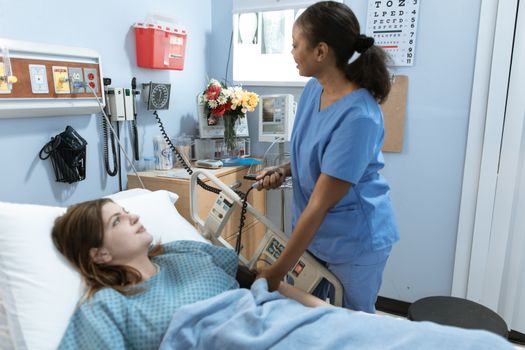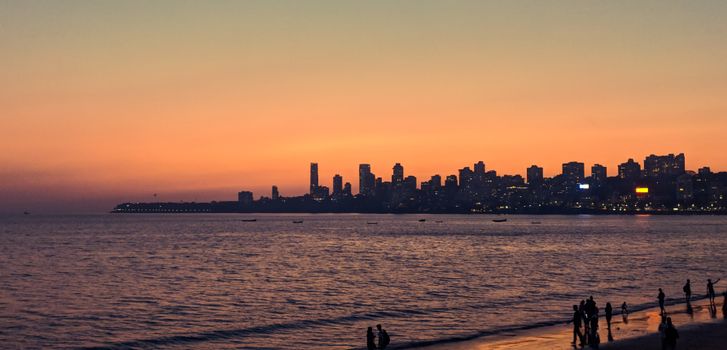
Mumbai is renowned worldwide as a booming medical tourism destination. Each year, tens of thousands of international patients travel to this vibrant metropolis for world-class medical care, expert specialists, and advanced treatments that often cost a fraction of what they do in other countries. However, what sets Mumbai apart isn’t just its hospitals and healthcare infrastructure—it’s the city’s unique ability to blend healing with culture. For medical tourists, Mumbai offers not only a chance to recover but also an opportunity to immerse themselves in authentic Indian experiences, from art and history to spirituality and cuisine. This guide explores the diverse cultural experiences that await medical tourists in Mumbai, transforming their medical journey into a holistic adventure.
Mumbai’s Cultural Melting Pot: More Than Just Medicine
Mumbai, formerly known as Bombay, is India’s financial capital and a true cultural melting pot. Home to over 20 million people from every corner of India and the world, the city boasts a fascinating blend of traditions, languages, festivals, and cuisines. Medical tourists often find comfort in Mumbai’s cosmopolitan vibe, where English is widely spoken and diverse communities coexist peacefully. This diversity is reflected in Mumbai’s art, architecture, festivals, and daily life, making it a perfect destination for those seeking cultural enrichment alongside their medical treatments.
The city is also remarkably accessible. Chhatrapati Shivaji Maharaj International Airport connects Mumbai to more than 50 countries, and the city’s extensive transport system—taxis, local trains, and app-based cabs—makes getting around convenient for patients with varying mobility.
Architectural Wonders: From Colonial Grandeur to Modern Marvels
While you’re in Mumbai for medical care, don’t miss the chance to experience the city’s architectural heritage. Mumbai’s skyline is a fascinating juxtaposition of colonial-era buildings, Art Deco masterpieces, and modern skyscrapers. Even short, gentle outings can provide memorable glimpses into the city’s storied past and dynamic present.
- The Gateway of India: Built in 1924, this iconic archway overlooks the Arabian Sea and is often the first stop for visitors. Its Indo-Saracenic architecture symbolizes Mumbai’s historical role as a gateway between India and the world. - Chhatrapati Shivaji Maharaj Terminus (CST): A UNESCO World Heritage Site, this stunning railway station is a blend of Victorian Gothic Revival and traditional Indian architectural styles. Over three million passengers pass through CST daily, making it one of the busiest stations in Asia. - Art Deco Buildings: Mumbai’s Marine Drive is home to the world’s second-largest collection of Art Deco buildings after Miami. A simple drive along this “Queen’s Necklace” promenade at sunset is both relaxing and visually rewarding.Many hospitals and hotels catering to medical tourists can arrange guided city tours tailored for recuperating patients, ensuring comfort and accessibility.
Spiritual Sanctuaries: Finding Peace and Healing
Mumbai is a city where spirituality finds expression in countless forms. Whether you seek solace, meditation, or simply wish to experience India’s ancient spiritual heritage, there are numerous sanctuaries and places of worship open to all.
- Siddhivinayak Temple: Dedicated to Lord Ganesha, this temple attracts over 25,000 visitors daily. Many medical tourists visit to seek blessings for good health before or after treatment. - Haji Ali Dargah: Set on an islet in the Arabian Sea, this 15th-century mosque and tomb welcomes people of all faiths. The pathway to the dargah is especially beautiful at sunset. - ISKCON Temple: Known for its serene ambiance, the Hare Krishna temple in Juhu offers meditation sessions and vegetarian meals, providing a peaceful respite from the city’s bustle.Many of these spiritual sites are wheelchair accessible and offer calm environments ideal for relaxation and reflection during the recovery process.
Art, Museums, and Theatres: Stimulating the Mind
Mumbai is India’s cultural capital, and its art scene offers enriching experiences for visitors of all backgrounds. Whether you’re interested in modern art, traditional crafts, or the dramatic arts, there’s something to engage and inspire every medical tourist.
- Chhatrapati Shivaji Maharaj Vastu Sangrahalaya (CSMVS): Formerly known as the Prince of Wales Museum, this impressive museum houses over 50,000 artifacts, including ancient sculptures, miniature paintings, and international art collections. - Jehangir Art Gallery: Located in the heart of the Kala Ghoda art district, this gallery showcases contemporary Indian artists and often hosts public exhibitions and workshops. - National Centre for the Performing Arts (NCPA): Featuring concerts, dance performances, and plays, NCPA is a haven for lovers of the performing arts. Short, accessible performances are available for those with limited energy.For patients and caregivers seeking gentle activities, many museums and galleries offer guided tours, wheelchair access, and quiet spaces for relaxation.
Culinary Journeys: A Taste of Mumbai’s Diverse Cuisine
Food is at the heart of Mumbai’s cultural identity. For medical tourists, the city offers a tantalizing array of culinary experiences, from street food to fine dining, with plenty of options catering to special dietary needs.
- Street Food Delights: Try local favorites like vada pav (spicy potato fritters in a bun), bhel puri (puffed rice salad), and pav bhaji (vegetable curry with bread). For those with sensitive stomachs, many vendors now offer hygienically prepared versions. - Iconic Eateries: Britannia & Co., Leopold Café, and Café Mondegar are legendary establishments serving Parsi, Irani, and continental dishes in charming old-world settings. - Dietary Accommodations: Most hospitals and hotels offer special diets—low salt, low sugar, gluten-free, and vegetarian—on request, ensuring patients can enjoy Indian flavors safely.Below is a comparison table of popular dining options for medical tourists in Mumbai:
| Restaurant Type | Average Cost per Meal (INR) | Dietary Options | Popular Dishes | Accessibility |
|---|---|---|---|---|
| 5-Star Hotel Restaurant | 1500–2500 | Gluten-free, Vegetarian, Diabetic-friendly | Butter chicken, Dal makhani, Biryani | Excellent (Wheelchair-friendly) |
| Heritage Café | 500–1000 | Vegetarian, Vegan | Berry pulao, Chicken farcha, Salli boti | Good (Some steps at entry) |
| Street Food Stall | 50–150 | Vegetarian, Jain food | Vada pav, Bhel puri, Pav bhaji | Variable (Check before visiting) |
This culinary variety ensures that every medical tourist, regardless of dietary needs, can indulge in Mumbai’s rich gastronomic culture.
Festivals and Markets: Experiencing Mumbai’s Vibrant Pulse
Mumbai’s cultural calendar is packed with festivals, fairs, and markets. For medical tourists, these events offer a lively, up-close look at local traditions and community spirit.
- Ganesh Chaturthi: Held each August or September, this 10-day festival celebrates the elephant-headed deity, Ganesha, with colorful processions, music, and elaborate clay idols. The immersion of idols at Chowpatty Beach is a sight to behold. - Kala Ghoda Arts Festival: Every February, this nine-day celebration of art, music, dance, and literature attracts over 150,000 visitors from around the world. Many events are open-air and free to attend. - Crawford Market and Colaba Causeway: These bustling markets are perfect for souvenir shopping, from handicrafts to spices and jewelry. Many shops offer fixed prices and are happy to accommodate medical tourists who need extra assistance.Participating in local festivals or simply walking through a traditional bazaar can be a gentle, enjoyable way to experience the city’s infectious energy.
Healing Through Culture: The Mumbai Advantage
Mumbai’s unique blend of world-class healthcare and vibrant cultural experiences sets it apart from other medical tourism destinations. For many international patients, recovering in Mumbai becomes more than just a medical journey—it’s an opportunity to embrace new traditions, savor diverse cuisines, and connect with the city’s welcoming spirit.
Statistics reveal that over 200,000 medical tourists visited Mumbai in 2023, with nearly 60% reporting that cultural experiences significantly enhanced their overall satisfaction. Hospitals and tourism agencies increasingly offer “healing holidays” that combine wellness, sightseeing, and cultural immersion, helping patients recover faster and with a greater sense of well-being.
Whether you’re exploring architectural marvels, relaxing in spiritual sanctuaries, sampling local flavors, or joining in festive celebrations, Mumbai ensures that every moment of your stay is memorable and enriching.
Conclusion
For medical tourists, Mumbai offers much more than world-class healthcare. The city opens its heart and heritage to visitors, allowing them to find comfort, inspiration, and joy in every corner. From awe-inspiring architecture and spiritual sanctuaries to vibrant art, delicious food, and festive markets, Mumbai’s cultural treasures are the perfect complement to a journey of healing. Embracing these experiences can transform a medical trip into a life-changing adventure—one that nurtures both body and soul.