The Rise of Medical Tourism in Mumbai: A Comprehensive Exploration
Mumbai, the financial and entertainment capital of India, has emerged as a global hub for medical tourism over the last two decades. Once mainly known for its bustling Bollywood industry and vibrant city life, Mumbai now attracts thousands of international patients every year seeking high-quality, affordable healthcare. The city’s transformation into a medical tourism hotspot is hardly accidental. It is the result of world-class hospitals, highly trained doctors, advanced medical technology, and a growing reputation for successful treatments. This article delves into the factors fueling the rise of medical tourism in Mumbai, its advantages, challenges, and what sets the city apart in this booming sector.
The Evolution of Medical Tourism in Mumbai
Medical tourism, defined as traveling abroad for medical care, has seen exponential growth in Mumbai since the early 2000s. According to the India Brand Equity Foundation (IBEF), India’s medical tourism industry was valued at $6 billion in 2020, with Mumbai contributing significantly to this figure. The city now welcomes over 200,000 medical tourists annually, primarily from Africa, the Middle East, South Asia, and even Western countries like the UK and the US.
Mumbai’s journey began with a handful of private hospitals catering to expatriates and non-resident Indians (NRIs). Over time, as word spread about the quality and affordability of care, international patient numbers soared. Today, top Mumbai hospitals like Kokilaben Dhirubhai Ambani Hospital, Apollo Hospitals, Fortis Healthcare, and Lilavati Hospital routinely treat patients from over 100 countries.
The government has played a pivotal role by relaxing visa norms, launching the e-Medical Visa, and collaborating with private players to market India’s medical prowess globally. In 2019, the Ministry of Tourism launched a dedicated portal, ‘Incredible India: Medical Value Travel,’ shining a spotlight on Mumbai as a premier healthcare destination.
Key Drivers Behind Mumbai’s Medical Tourism Boom
Several factors make Mumbai a preferred destination for medical tourists:
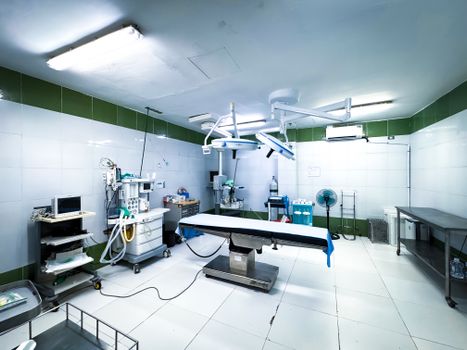
1. $1: Mumbai boasts more than 50 NABH (National Accreditation Board for Hospitals) and JCI (Joint Commission International) accredited hospitals. These certifications are a testament to international quality standards in patient safety and care. 2. $1: The city is home to over 10,000 specialists, many of whom are internationally trained. Mumbai’s doctors are renowned for their expertise in cardiology, oncology, organ transplants, orthopedics, and cosmetic surgery. 3. $1: Medical procedures in Mumbai can cost up to 70-80% less than in the US or UK. For example, a heart bypass surgery that costs $120,000 in the US can be performed for as little as $7,000 in Mumbai. 4. $1: Mumbai’s leading hospitals are equipped with cutting-edge technology, such as robotic surgery, CyberKnife radiosurgery, and advanced diagnostic imaging. 5. $1: Many hospitals have dedicated international patient departments that offer language interpreters, visa assistance, and concierge services to make patients feel at home.Popular Treatments and Procedures Sought in Mumbai
Mumbai’s healthcare institutions cater to a diverse range of medical needs. The most sought-after treatments include:
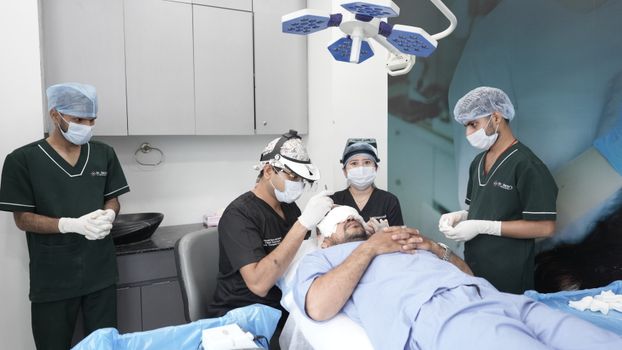
- $1: Mumbai is a leader in heart transplants and minimally invasive cardiac procedures. Over 3,000 heart surgeries are performed annually on international patients alone. - $1: Hospitals like Tata Memorial and Kokilaben Dhirubhai Ambani Hospital are recognized globally for cutting-edge cancer treatments, including immunotherapy and bone marrow transplants. - $1: Joint replacements, spine surgeries, and sports injury management are offered at a fraction of Western costs. - $1: From hair transplants to rhinoplasty, Mumbai offers a wide array of aesthetic procedures, with thousands of foreigners visiting each year. - $1: IVF and other assisted reproductive technologies are provided with high success rates and at competitive prices.Comparing Medical Costs: Mumbai vs. Other Countries
One of the most compelling reasons patients choose Mumbai is the significant cost savings. The table below compares the average cost of popular medical procedures in Mumbai, the United States, and the United Kingdom.
| Procedure | Mumbai (USD) | United States (USD) | United Kingdom (USD) |
|---|---|---|---|
| Heart Bypass Surgery | $7,000 | $120,000 | $40,000 |
| Hip Replacement | $6,500 | $40,000 | $15,000 |
| IVF Treatment (per cycle) | $3,000 | $12,000 | $6,000 |
| Dental Implants | $800 | $5,000 | $3,000 |
| Cancer Treatment (Chemotherapy cycle) | $1,000 | $6,000 | $4,000 |
As the data shows, patients can save between 60% and 90% on surgery and treatment costs by opting for care in Mumbai. This price differential, combined with high standards of safety and success, is a central driver of medical tourism growth.
The Patient Experience: Beyond Treatment
Mumbai’s appeal extends beyond its hospitals. For medical tourists, the city offers a unique blend of healthcare, culture, and comfort.
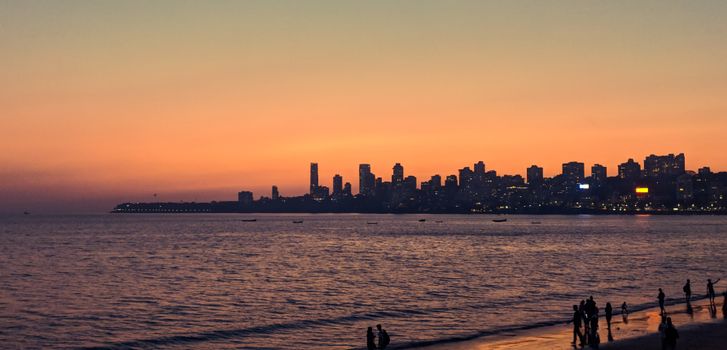
- $1: Top hospitals provide end-to-end support, from airport pickup to discharge planning. Amenities include private rooms, dietary customization, translators, and even sightseeing tours post-recovery. - $1: Mumbai’s moderate climate, access to physiotherapy centers, and proximity to wellness resorts make recovery comfortable and stress-free. - $1: Many patients and their families combine medical trips with tourism, exploring landmarks like the Gateway of India, Marine Drive, and Elephanta Caves.A 2022 survey by the Medical Tourism Association found that 92% of international patients in Mumbai rated their overall experience as “excellent” or “good,” citing hospital staff, transparency of information, and city hospitality as standout factors.
Challenges and Future Outlook
While the rise of medical tourism in Mumbai is impressive, it is not without challenges:
- $1: Although many hospitals offer translation services, some patients still face communication hurdles. - $1: Not all clinics meet international standards. Due diligence is essential to avoid subpar facilities. - $1: Long-term follow-up care can be difficult for overseas patients after returning home.To address these issues, Mumbai’s hospitals are investing in telemedicine, forging international partnerships, and improving patient education. In 2023, over 30 hospitals launched dedicated telehealth platforms for overseas follow-up care, ensuring continuity and peace of mind for international patients.
Looking ahead, the future for Mumbai’s medical tourism industry is bright. The city’s healthcare sector is projected to grow by 15% annually, outpacing the global average. The government’s “Heal in India” initiative, launched in 2022, aims to attract 1 million foreign patients by 2025, solidifying Mumbai’s place on the global medical map.
Conclusion
Mumbai’s ascent as a medical tourism powerhouse is a testament to its world-class hospitals, skilled doctors, competitive pricing, and welcoming spirit. For international patients seeking high-quality, affordable medical care, Mumbai offers a compelling package that rivals the best in the world. While challenges remain, ongoing investments in technology, patient care, and global outreach are poised to make Mumbai the preferred choice for medical travelers in the years ahead. As the city continues to blend healthcare excellence with the warmth of Indian hospitality, the future of medical tourism in Mumbai looks healthier than ever.