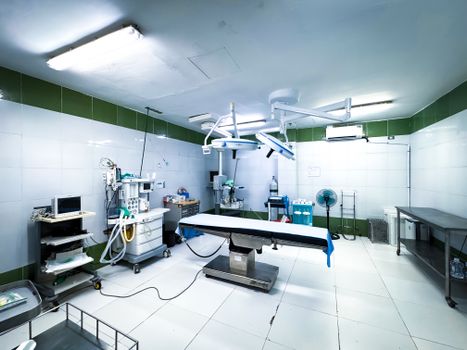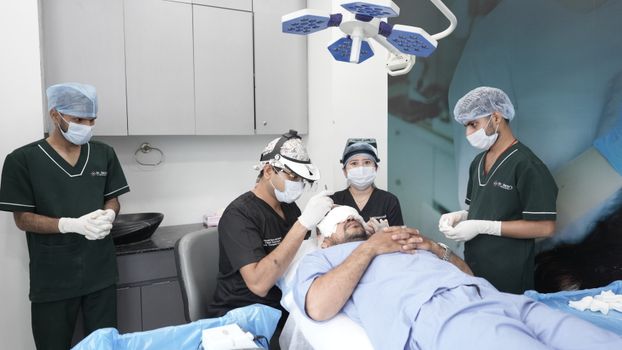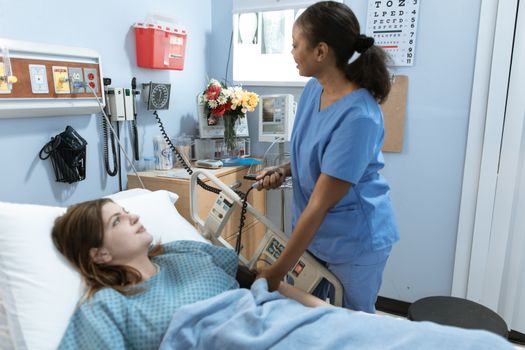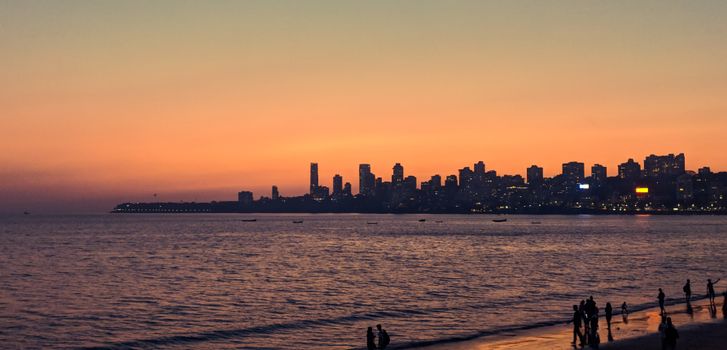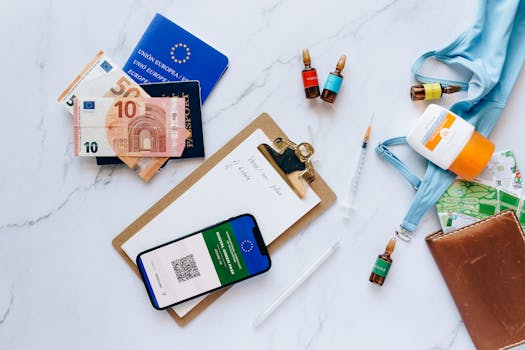
Medical tourism in Mumbai has become a global phenomenon, with tens of thousands of international patients traveling to the city every year for affordable, world-class healthcare. If you’re considering medical treatment in Mumbai, preparation is key—especially when it comes to documentation. The right paperwork ensures you avoid delays, legal issues, or even denied care. But what exactly should you have in hand before boarding your flight? This comprehensive guide breaks down the essential documents needed for medical tourism in Mumbai, providing clarity and peace of mind for your medical journey.
The Importance of Proper Documentation for Medical Tourism in Mumbai
Traveling abroad for healthcare isn’t quite like a regular vacation. Medical tourists face unique requirements—both legal and practical. Mumbai’s hospitals and immigration authorities have strict protocols to guarantee patient safety, legal compliance, and quality care. Lacking a single document can result in denied boarding, visa complications, or even the inability to receive treatment.
According to India’s Ministry of Tourism, over 697,000 foreign patients sought medical care in India in 2019, with Mumbai ranking as a top destination due to its advanced hospitals and international connectivity. However, nearly 10% of medical tourists reported issues with documentation, ranging from missing medical reports to incomplete visa paperwork. Being prepared with the required documents helps streamline your trip, reduces stress, and ensures you receive timely medical attention.
Essential Travel Documents: Passport, Visa, and Beyond
First and foremost, every international traveler must possess valid travel documents to enter India. For medical tourists, the requirements are slightly more specialized:
1. $1: Your passport must be valid for at least six months beyond your planned date of entry and contain at least two blank pages for visas and entry/exit stamps. Many consulates may refuse visa applications if this requirement is not met. 2. $1: Unlike tourists, medical travelers must apply for a Medical Visa (M Visa). This document specifies that your primary purpose for visiting India is to receive treatment. The Indian government has streamlined the process, but you’ll need: - A formal letter from a recognized hospital in Mumbai, detailing your diagnosis, treatment plan, and expected duration of stay - Proof of sufficient funds to cover your medical and living expenses - Return flight tickets or proof of onward travel 3. $1: Citizens of over 160 countries can apply for an e-Medical Visa, which simplifies paperwork and typically processes within 2-4 business days. However, not all treatments or stays qualify, so check eligibility in advance. 4. $1: If a family member or caregiver is traveling with you, they’ll need to apply for a Medical Attendant Visa (MX Visa). Each patient can be accompanied by up to two attendants, who must also provide supporting documents.Medical Records and Health Documentation: What to Bring
Indian hospitals require comprehensive medical documentation to provide accurate diagnosis and seamless care. Bringing the right records can prevent redundant tests, reduce costs, and ensure continuity of care.
Here’s a checklist of vital medical documents for your trip:
- Recent medical reports: Lab results, imaging (X-rays, MRIs, CT scans), and pathology slides - Doctor’s diagnosis and referral letter: A letter from your local physician stating your condition and recommended treatment - Treatment history: Records of previous treatments, surgeries, and medications - List of current medications: Include dosage, frequency, and any known allergies - Immunization records: Particularly for communicable diseases such as tuberculosis, hepatitis B, and influenza - Health insurance documentation: If your insurance covers treatment overseas, bring proof of coverage and contact information for your insurerHospitals in Mumbai often request records in English. If your documents are in another language, certified translations are essential. According to a 2022 survey by the Federation of Indian Chambers of Commerce & Industry (FICCI), 18% of international patients experienced treatment delays due to incomplete or untranslated records.
Financial Documentation: Proof of Funds and Payment Arrangements
One often overlooked aspect of medical tourism is financial documentation. Mumbai’s hospitals, as well as Indian immigration authorities, may request evidence that you can pay for your treatment and stay.
Key financial documents include:
- Bank statements for the past three to six months - Proof of employment or income (such as salary slips or tax returns) - Credit cards or international debit cards - Letter of guarantee from your insurer or sponsor (if applicable) - Receipt or confirmation of advance payments to the hospitalSome hospitals require a deposit before admission, especially for complex surgeries. According to the Indian Medical Association, the average deposit requested by Mumbai hospitals ranges from 20% to 50% of the estimated treatment cost. Having these financial documents readily available prevents delays in admission or visa processing.
Additional Documents: Local Requirements and Patient Comfort
Depending on your country of origin, treatment type, and personal circumstances, you may need to prepare additional documents before leaving for Mumbai:
- Consent forms: Some hospitals require advance signed consent for certain procedures or participation in clinical trials. - Power of attorney: For patients who may be incapacitated, a legal document authorizing a caregiver to make decisions can be crucial. - Travel and accommodation bookings: Printed confirmations of hotel reservations and airport transfers help with immigration checks and hospital admissions. - COVID-19 documentation: As of early 2024, India requires proof of COVID-19 vaccination or a negative RT-PCR test for travelers from select countries. Requirements can change, so check the latest guidelines before departure. - Emergency contact list: Include local contacts in Mumbai, your home country, and any embassy or consulate information.A 2023 study by the Medical Tourism Association revealed that 27% of patients faced non-medical challenges—such as accommodation disputes or local registration requirements—because they lacked supporting documents. Being over-prepared is better than being caught short.
Document Checklist: At a Glance
To help you organize your paperwork, here’s a comparative table summarizing the essential documents for medical tourism in Mumbai:
| Document Type | Why Needed | Sample Requirements |
|---|---|---|
| Passport | International travel and identification | 6+ months validity, 2 blank pages |
| Medical Visa (M Visa) | Legal authorization to receive treatment | Hospital invitation letter, proof of funds |
| Medical Records | Clinical evaluation and continuity of care | Lab reports, doctor’s notes, medication list |
| Financial Documents | Proof of ability to pay for treatment | Bank statements, insurance papers |
| COVID-19 Documents | Health and safety compliance | Vaccination proof or negative test |
| Accommodation Bookings | Immigration and hospital admission | Hotel or apartment reservation |
| Consent Forms/Power of Attorney | Legal and medical decision-making | Signed forms, notarized documents |
Why Careful Preparation Eases Your Medical Journey
Arriving in Mumbai for medical treatment is a significant step—one that can change your life for the better. However, every year, hundreds of patients face unnecessary obstacles because they overlooked a crucial piece of paperwork. Careful preparation ensures that your focus remains on healing, not on bureaucracy.
Mumbai’s hospitals are known for their efficiency and patient-centric care, but they rely on thorough documentation to deliver the best outcomes. From visa approval to seamless admission and insurance claims, the right paperwork is your passport to a smooth experience. As a bonus, well-organized documents also help your caregivers, family members, and local coordinators support you more effectively.
Smart Tips for Keeping Documents Safe and Accessible
You’ve gathered all your documents—now, how do you keep them safe and accessible during your travels? Here are a few practical tips:
- $1: Scan all important documents and store them in a secure cloud service (like Google Drive or Dropbox). Email copies to yourself and a trusted family member. - $1: Keep physical originals in a waterproof, zippered folder that fits in your carry-on. - $1: Carry photocopies in a different bag from the originals. This is especially useful in case of loss or theft. - $1: Use labeled dividers or envelopes for different categories (e.g., visas, medical records, financial papers). - $1: Tuck a printed list of emergency numbers, embassy contacts, and your Mumbai hospital’s details inside your folder.A 2021 survey by the International Medical Travel Journal found that 35% of patients who lost important travel or medical documents experienced trip delays of 24 hours or more. Digital backups and organized storage can save time and stress if the unexpected happens.
Ready for Departure: Making Your Mumbai Medical Trip Hassle-Free
Embarking on a medical tourism journey to Mumbai is an exciting but complex process. By gathering the right documents well in advance, you pave the way for a safe, smooth, and successful experience. Remember, every detail matters: visas, medical records, financial papers, and local requirements each play a role in your care and comfort.
With Mumbai’s reputation as one of Asia’s premier medical tourism destinations, being prepared ensures you enjoy the city’s best hospitals, compassionate care, and vibrant culture—without unnecessary paperwork hassles. Whether you’re traveling for cardiac surgery, cancer care, or a specialized procedure, your document checklist is as vital as your passport and plane ticket.