Travel Tips for Mumbai for International Patients During Treatment
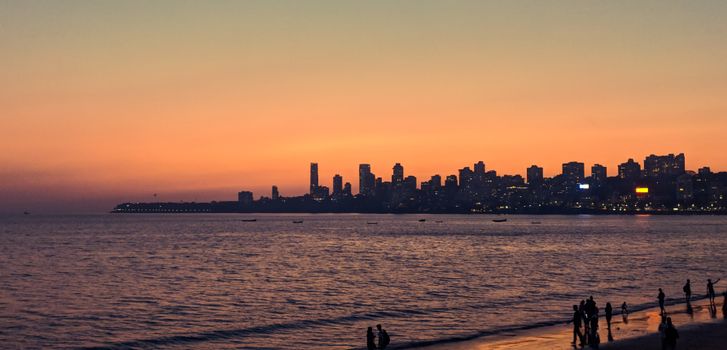
Mumbai, often dubbed the “City of Dreams,” is not only India’s financial capital but also a major hub for world-class medical care. Each year, over 200,000 international patients visit Mumbai for treatments ranging from advanced cardiac surgeries to complex cancer therapies. While the city’s hospitals offer top-notch medical expertise, navigating Mumbai during your treatment journey can be quite a challenge—especially for those visiting India for the first time.
Understanding the nuances of travel, culture, local logistics, and wellness support is crucial for a smooth medical experience. This comprehensive guide shares practical travel tips for international patients in Mumbai, focusing on aspects often overlooked: transportation, dietary needs, communication, comfort, and support services. Whether you are coming for a short outpatient procedure or a prolonged treatment, these insights can make your stay safer, more comfortable, and less stressful.
Navigating Mumbai’s Unique Transportation Landscape
Mumbai is famous for its bustling streets, iconic black-and-yellow taxis, and packed suburban trains—but for patients and their families, safe and reliable transportation is essential. Here’s what international medical travelers should know:
1. $1 Many top hospitals, like Kokilaben Dhirubhai Ambani Hospital or Fortis, offer airport pickups and hospital transfers for international patients. This is the safest and most comfortable option, especially if you are arriving after a long flight or have mobility challenges. Confirm with your hospital’s international desk about these services well in advance. 2. $1 While Mumbai’s public taxis are plentiful, renting a private car with a dedicated driver is highly recommended for patients. The cost ranges from INR 1,500 to 2,500 ($18-$30) per day for a sedan—offering flexibility and comfort, especially if you need frequent hospital visits. Ride-hailing apps like Uber and Ola are widely available, but during peak hours or in heavy rain, wait times can increase significantly. 3. $1 Mumbai’s trains and buses are extremely crowded, particularly during rush hours (8-10 am and 6-8 pm). For infection control and general comfort, international patients are advised to avoid these modes of transport unless absolutely necessary. 4. $1 Not all taxis and cars are wheelchair-friendly. If mobility is a concern, request wheelchair-accessible vehicles through your hospital or specialized taxi agencies.| Transport Option | Average Cost (per 10 km) | Comfort Level | Best For |
|---|---|---|---|
| Hospital Transfer | Usually Free/Included | Excellent | Arrival, Departure, Emergencies |
| Private Car + Driver | INR 500-800 ($6-$10) | High | Daily Hospital Visits |
| App Taxi (Uber/Ola) | INR 300-500 ($3.5-$6) | Good | Short Trips, Not Peak Hours |
| Public Taxi | INR 250-400 ($3-$5) | Moderate | Short Distances |
| Public Transport (Train/Bus) | INR 10-40 ($0.12-$0.50) | Low | Only for Companions, Not Patients |
Managing Dietary Needs and Safe Eating in Mumbai
Diet plays a crucial role in recovery, and Mumbai’s culinary diversity can be both a blessing and a risk for international patients. Food hygiene, dietary restrictions, and access to familiar cuisine are common concerns.
1. $1 Most major hospitals in Mumbai have in-house kitchens that cater to international dietary needs—ranging from halal, kosher, vegetarian, vegan, to gluten-free options. Inform your care team about any allergies or restrictions in advance. 2. $1 While Mumbai boasts a vibrant food scene, avoid street food and non-reputed eateries to minimize the risk of foodborne illnesses. Opt for restaurants attached to hotels or those with high hygiene ratings—especially for immunocompromised patients. 3. $1 Apps like Swiggy and Zomato offer a wide range of cuisines, but always check ratings and reviews before ordering. Supermarkets like Nature’s Basket and Big Bazaar, as well as online grocery services, can deliver fresh produce and international food brands to your accommodation. 4. $1 Never drink tap water in Mumbai. Always use bottled or filtered water, even for brushing teeth. Most hotels and hospitals provide complimentary bottled water daily.Overcoming Language and Communication Barriers
Mumbai is a cosmopolitan city, and English is widely spoken in hospitals, hotels, and upscale restaurants. However, language barriers can still arise, especially outside these environments.
1. $1 Top hospitals have multilingual staff and professional interpreters for Arabic, Russian, French, Swahili, and more. Request these services when scheduling your appointments. 2. $1 Apps like Google Translate and Microsoft Translator are invaluable for everyday interactions—such as giving instructions to drivers or shopping. Download offline language packs before your trip. 3. $1 Learning a few basic phrases can help in emergencies. For example: - “Dawa kaha milti hai?” (Where can I get medicine?) - “Mujhe hospital le chaliye.” (Please take me to the hospital.) - “Mujhe allergy hai.” (I have an allergy.) 4. $1 Keep a printed copy of your treatment plan and emergency contacts in both English and your native language. This can be crucial if you need assistance outside your hospital network.Comfort and Wellness During Your Stay in Mumbai
Prioritizing your comfort and mental well-being is essential during medical treatment abroad. Mumbai’s climate, cultural differences, and urban energy can be overwhelming without the right preparations.
1. $1 Mumbai has a tropical climate, with temperatures ranging from 25°C to 35°C (77°F to 95°F) year-round and high humidity. Lightweight cotton clothing, a hat, and sunscreen are must-haves. During the monsoon (June to September), bring waterproof shoes and an umbrella. 2. $1 Choose accommodations close to your hospital. Many hotels and serviced apartments cater specifically to medical tourists, offering amenities like in-room kitchenettes, laundry, and 24/7 room service. Quiet neighborhoods like Bandra, Powai, and Juhu are popular among international patients. 3. $1 Many hospitals offer counseling and patient support groups for international visitors. Connecting with fellow patients from your home country or community can alleviate stress and anxiety during recovery. 4. $1 Bring comfort items from home—favorite snacks, books, or streaming subscriptions. Mumbai offers parks and seaside promenades, such as Marine Drive, that are perfect for gentle walks when you feel up to it.Essential Safety and Health Precautions for International Patients
Ensuring your safety and minimizing health risks is paramount, especially in a new country.
1. $1 Check with your doctor about recommended vaccines before traveling to India. The CDC advises vaccines for hepatitis A, typhoid, and routine immunizations. In 2023, Mumbai reported less than 0.1% incidence of serious hospital-acquired infections in leading private hospitals, reflecting global standards. 2. $1 Carry hand sanitizer, wet wipes, and masks, especially when venturing outside the hospital or home. Mumbai’s air quality can fluctuate, so consider N95 masks if you have respiratory concerns. 3. $1 Use only authorized currency exchange counters and avoid sharing sensitive information with strangers. Hospitals and hotels can guide you to reliable ATMs and financial services. 4. $1 India’s emergency helpline is 112. Save your hospital’s international patient coordinator number on your phone. Comprehensive travel and medical insurance is strongly recommended for all international patients.Leveraging Patient Concierge and Support Services
International patients in Mumbai can access a wide range of support services designed to make medical travel smooth and hassle-free.
1. $1 Top hospitals have dedicated concierge teams to assist with everything from appointment scheduling to sightseeing tours for family members. According to a 2023 survey, 87% of international patients at Mumbai’s leading hospitals reported high satisfaction with these services. 2. $1 If your treatment takes longer than planned, hospital international desks can help expedite medical visa extensions and liaise with local authorities. 3. $1 Some hospitals provide accommodation and meal plans for patient companions. There are also medical guest houses and apartments with facilities for families, ensuring everyone’s comfort during an extended stay. 4. $1 Many hospitals operate round-the-clock helplines for international patients, offering medical advice, translation, and logistical support in multiple languages.Final Thoughts on Traveling to Mumbai for Medical Treatment
Traveling to Mumbai for medical care is a life-changing decision, and being prepared is key to a positive experience. By understanding Mumbai’s unique rhythms, leveraging hospital support services, and prioritizing safety, international patients can focus on healing and recovery. Remember: the city’s renowned hospitality, world-class healthcare, and vibrant culture are here to support your journey every step of the way.