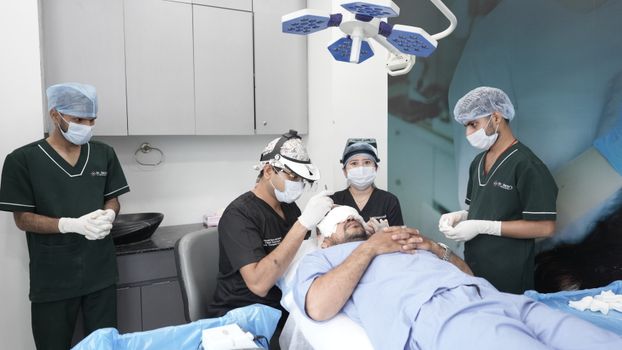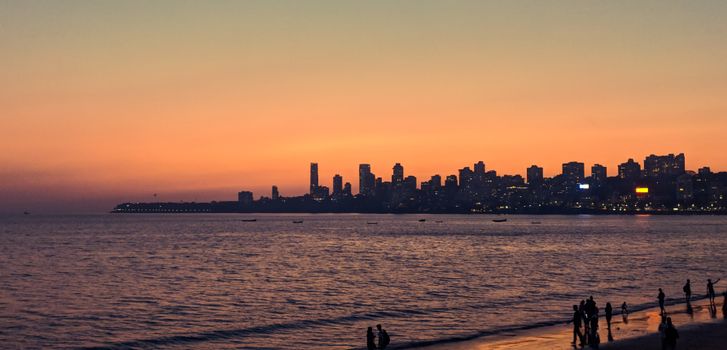
Medical tourism has firmly established itself as one of Mumbai’s fastest-growing sectors, drawing thousands of international patients every year seeking high-quality, affordable treatments. While the city’s world-class hospitals, advanced technology, and renowned specialists are widely celebrated, another crucial aspect quietly shapes the patient experience: privacy and safety. For global medical travelers, particularly those undergoing sensitive procedures, the assurance of confidentiality and personal security is as important as medical expertise. This article delves deep into how Mumbai addresses privacy and safety in its booming medical tourism industry, exploring regulations, best practices, challenges, and the expectations of international patients.
The Importance of Privacy and Safety in Medical Tourism
Privacy and safety concerns are top priorities for medical tourists, often influencing their choice of destination. According to a 2022 report by Patients Beyond Borders, over 60% of medical tourists cite privacy and safety as key decision-making factors when choosing overseas treatment. In Mumbai, where patients travel not only from neighboring countries but also from Europe, Africa, and the Middle East, these concerns are heightened by cultural, legal, and personal sensitivities.
Sensitive procedures — such as fertility treatments, cosmetic surgeries, or gender reassignment surgeries — demand strict confidentiality. For some, the stigma in their home countries makes discretion even more vital. Further, international patients may be unfamiliar with local regulations and practices, making robust safety and privacy measures critical for trust and reassurance.
Data Protection and Patient Confidentiality: Mumbai’s Legal Framework
Mumbai’s medical institutions operate under India’s broader legal landscape, which has evolved significantly to address patient privacy and data security in healthcare. The principal guidelines include:
- The Digital Information Security in Healthcare Act (DISHA) draft: Aims to create a comprehensive regulatory framework for the secure storage and exchange of digital health data. - The Information Technology (Reasonable Security Practices and Procedures and Sensitive Personal Data or Information) Rules, 2011: Mandates how hospitals collect, store, and handle sensitive patient information. - Hospital-specific confidentiality policies: Leading Mumbai hospitals, such as Kokilaben Dhirubhai Ambani Hospital and Lilavati Hospital, have adopted international standards like HIPAA (Health Insurance Portability and Accountability Act) compliance, even though HIPAA is a US law, to attract and reassure foreign patients.For example, Apollo Hospitals in Mumbai utilizes encrypted digital records and restricts data access only to essential personnel, aligning with best practices worldwide. These protocols are regularly audited to prevent breaches — a critical step, given that healthcare data breaches globally rose by 58% in 2022.
Physical and Personal Safety: Security for International Patients
Beyond data privacy, personal safety is paramount for international patients. Mumbai’s top medical tourism providers have developed comprehensive safety protocols that span the patient journey:
- Secure airport transfers: Many hospitals offer pre-arranged, vetted transportation from Mumbai’s Chhatrapati Shivaji Maharaj International Airport. - Dedicated international patient coordinators: These staff members assist with logistics, translation, and emergency support 24/7. - Hospital security: Major hospitals employ advanced surveillance, visitor screening, and restricted access to sensitive areas. - Safe accommodation: Partner hotels and guest houses are selected for their security features and proximity to hospitals.Mumbai’s medical tourism sector collaborates closely with local law enforcement and international consulates to ensure the safety of foreign patients. According to the Mumbai Police, the city’s crime rate in hospital zones catering to medical tourists is less than 1% — a testament to stringent security arrangements.
Patient Experience: Privacy Measures in Sensitive Treatments
The need for privacy intensifies with certain procedures. Fertility clinics, cosmetic surgery centers, and gender affirmation clinics in Mumbai have led the way in crafting patient-centric, private care environments.
- Private consultation suites: Many clinics offer separate waiting and consultation areas exclusively for international or VIP patients. - Discreet billing and scheduling: Appointments are scheduled to minimize overlap and exposure, and billing is handled confidentially. - Gender-inclusive policies: For transgender and non-binary patients, leading centers provide gender-neutral facilities and train staff in sensitivity and confidentiality.For instance, Dr. LH Hiranandani Hospital’s IVF center uses anonymized records and provides private entrances for high-profile or privacy-concerned patients. Such measures build trust and foster positive patient experiences, as evidenced by a 2023 survey by the Indian Medical Tourism Association, which found that 84% of international patients in Mumbai rated privacy protection as “excellent” or “very good.”
Comparing Privacy and Safety Standards: Mumbai vs. Other Medical Tourism Hubs
How does Mumbai stack up against other leading medical tourism destinations in terms of privacy and safety? Here’s a comparative overview:
| City/Country | Legal Data Protection | Hospital Security | Patient Privacy Ratings | International Patient Support |
|---|---|---|---|---|
| Mumbai, India | DISHA (draft), IT Rules 2011, Hospital HIPAA compliance | 24/7 surveillance, secure accommodation, airport transfers | 84% "excellent/very good" (IMTA 2023) | Dedicated coordinators, consular support |
| Bangkok, Thailand | Personal Data Protection Act (PDPA) | Hospital security, hotel partnerships | 81% "excellent/very good" (MTQ 2022) | International desks, translation services |
| Istanbul, Turkey | Personal Data Protection Law (KVKK) | On-site security, escorted transport | 78% "excellent/very good" (MTQ 2022) | Patient liaisons, embassy cooperation |
| Dubai, UAE | Dubai Health Data Law | Hospital security, VIP services | 87% "excellent/very good" (UAE Health Survey 2023) | International patient offices, luxury accommodation |
This table highlights that Mumbai offers privacy and safety standards on par with — or in some cases exceeding — other major hubs, particularly in terms of international patient support and legal frameworks.
Challenges and Future Directions for Privacy and Safety in Mumbai’s Medical Tourism
Despite significant progress, Mumbai’s medical tourism industry faces ongoing challenges:
- Regulatory lag: India’s DISHA bill, crucial for digital health data security, is still pending full implementation as of 2024. - Cybersecurity threats: With rising digitization, hospitals must continually update their defenses against hacking, ransomware, and data leaks. - Cultural sensitivity: While many hospitals offer gender-neutral and culturally aware care, there is still variability in training and implementation. - Emergency preparedness: Ensuring consistent safety standards across all partner accommodations and transport providers remains a logistical challenge.To address these, Mumbai’s leading hospitals are investing in next-generation cybersecurity, regular privacy audits, and enhanced staff training. The government, meanwhile, is encouraging accreditation through bodies like the National Accreditation Board for Hospitals & Healthcare Providers (NABH) and international organizations such as JCI (Joint Commission International), both of which include privacy and safety criteria in their standards.
Building Trust: What International Patients Should Expect and Demand
For medical tourists considering Mumbai, understanding what to expect — and what to insist upon — is essential:
- Transparent privacy policies: Ask for clear documentation on how your medical data will be used, stored, and protected. - Cultural and language support: Ensure the hospital provides interpreters and understands your cultural needs. - Safety protocols: Check for hospital accreditations, security arrangements, and emergency plans. - Reviews and testimonials: Seek feedback from previous international patients about their privacy and safety experiences.Mumbai’s best hospitals readily provide written privacy guarantees, use encrypted communications for remote consultations, and have international patient relations offices to answer privacy and safety queries before, during, and after your treatment.
The Road Ahead: Privacy and Safety as Mumbai’s Competitive Edge
As global medical tourism becomes more competitive, privacy and safety are no longer optional extras — they are core elements that define Mumbai’s reputation as a medical destination. With robust legal frameworks, hospital initiatives, and a citywide commitment to international standards, Mumbai continues to raise the bar in patient protection.
Patients can travel to Mumbai with increasing confidence that their medical journeys will be not only successful and affordable but also private and secure. This focus on privacy and safety will be key to Mumbai’s continued growth as a preferred choice for patients worldwide.