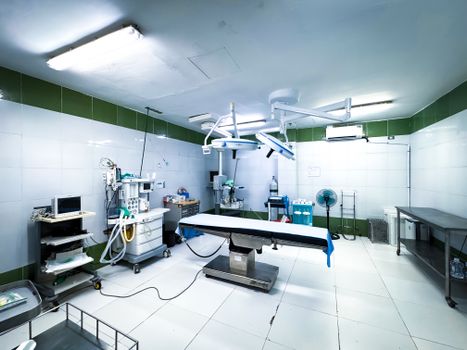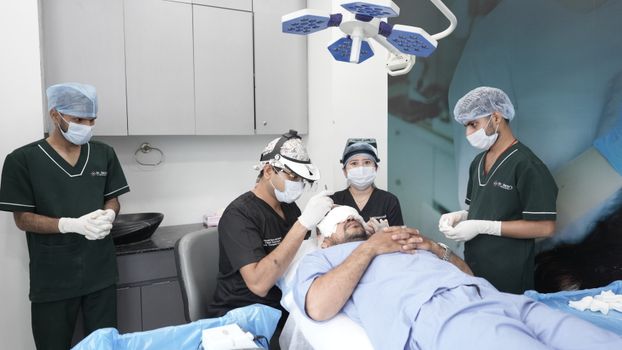
Mumbai has rapidly emerged as a global hotspot for medical tourism, attracting thousands of international patients each year who seek high-quality, affordable healthcare. Yet, what truly sets Mumbai apart from other medical tourism destinations is not just its world-class hospitals and expert doctors—but the city’s rich tapestry of post-treatment attractions. Once their medical procedures are complete, many patients and their families look to unwind, recuperate, and experience the vibrant culture, history, and leisure offerings that Mumbai has in abundance. This article explores how Mumbai’s post-treatment attractions enhance the overall medical tourism experience, providing patients with a unique blend of recovery and adventure.
The Healing Power of Mumbai’s Beaches and Seaside Promenades
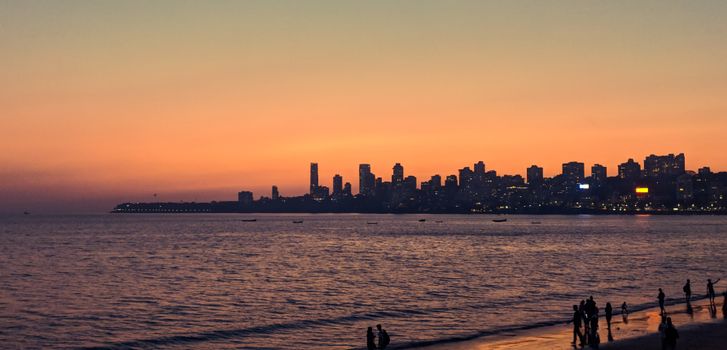
Mumbai’s picturesque coastline is a haven for relaxation and gentle activity, making it ideal for medical tourists in recovery. Juhu Beach and Marine Drive are two of the city’s most iconic waterfronts, offering tranquil environments perfect for light walks, gentle physical therapy, or simply unwinding in the sea breeze.
Juhu Beach, stretching over 6 kilometers, is famous not only for its stunning sunsets but also for its accessibility and proximity to many top hospitals and hotels. Marine Drive, known as the “Queen’s Necklace” due to its sparkling night-time lights, provides a peaceful promenade where patients can stroll or sit and enjoy the Arabian Sea. For those seeking a quieter spot, Girgaum Chowpatty and Versova Beach are lesser-known alternatives.
Numerous studies have highlighted the positive effects of natural settings on recovery. According to a report by the University of Exeter Medical School, patients exposed to “blue spaces” such as coastlines and rivers had reduced levels of stress and faster recovery rates. Mumbai’s beaches, therefore, offer not just leisure but tangible health benefits for those in post-treatment phases.
Cultural Enrichment: Museums, Art Galleries, and Heritage Walks
Mumbai’s rich history and cultural vibrancy offer a wealth of gentle, stimulating activities for medical tourists. The city boasts over 15 major museums and galleries, each providing an immersive escape into India’s art, history, and traditions.
The Chhatrapati Shivaji Maharaj Vastu Sangrahalaya (formerly the Prince of Wales Museum) houses more than 50,000 exhibits ranging from ancient sculptures to decorative arts and rare manuscripts. Located in a serene garden setting, it’s wheelchair accessible and offers guided tours, making it suitable for visitors with mobility considerations.
For art lovers, the Jehangir Art Gallery in Kala Ghoda is Mumbai’s premier contemporary art space, hosting rotating exhibitions from India’s leading artists. Many galleries, including the National Gallery of Modern Art, are situated close to major hotels and medical facilities, making them easily accessible for those in recovery.
Heritage walks have also become popular among medical tourists. These guided tours cover historic districts like Fort, Colaba, and Bandra, with routes designed to be manageable for those with limited stamina. Such walks offer a gentle way to explore the city’s colonial architecture, vibrant bazaars, and hidden gems, fostering a sense of connection and curiosity during the healing process.
Wellness Retreats and Spas: Rejuvenation Beyond Medicine
After medical treatment, many patients seek holistic wellness experiences to aid recovery and promote overall well-being. Mumbai delivers with a diverse range of wellness retreats, luxury spas, and yoga centers. These establishments combine traditional Indian healing practices with modern therapies to support physical and mental rehabilitation.
Ayurvedic centers like The Ayurveda Sanctuary and Kerala Ayurveda Kendra provide personalized treatments focused on detoxification, stress relief, and immune system strengthening. According to the Ministry of AYUSH, over 70% of international wellness tourists in India opt for Ayurveda-based therapies due to their proven benefits in post-surgery recovery and chronic disease management.
Luxury spas such as the Quan Spa at the JW Marriott or the Myrah Spa in Juhu offer curated packages for medical tourists, including lymphatic massages, hydrotherapy, and aromatherapy—complementing conventional medicine and accelerating recuperation.
Yoga studios across Mumbai, including The Yoga Institute (the oldest organized yoga center in the world), offer beginner-friendly classes tailored for individuals recovering from medical procedures. Incorporating yoga and meditation into post-treatment routines has been shown to reduce pain, anxiety, and insomnia, according to a 2022 study in the Indian Journal of Medical Research.
Shopping and Culinary Adventures for Gentle Exploration
Retail therapy and culinary exploration are uplifting, low-impact activities well-suited to post-treatment tourists. Mumbai is famous for its eclectic shopping scene, from luxury malls to bustling street markets filled with textiles, jewelry, and handicrafts.
High-end shopping destinations such as Palladium Mall in Lower Parel and Phoenix Marketcity offer accessible facilities, air-conditioned comfort, and a wide range of international brands—ideal for relaxed, indoor excursions. For those interested in local culture, markets like Crawford Market and Colaba Causeway offer a sensory treat and a chance to pick up unique souvenirs, all within manageable walking distances.
Mumbai is also a gastronomic capital, home to over 12,000 restaurants and cafes. Medical tourists can enjoy diverse cuisines—whether it’s a gentle South Indian breakfast at a heritage café, fusion cuisine at the famed Bombay Canteen, or fresh seafood at Trishna. Many restaurants cater to dietary restrictions, providing healthy, post-treatment-friendly meal options. The city is also renowned for its street food; however, patients are advised to consult their doctors before indulging.
Nature Escapes: Parks, Gardens, and Green Sanctuaries
For those in the recuperation phase, Mumbai offers several green spaces that provide a soothing escape from the city’s bustle. The Sanjay Gandhi National Park, covering 104 square kilometers, is one of the world’s most visited national parks and offers accessible nature trails, a serene lake, and the historic Kanheri Caves.
Hanging Gardens and Kamala Nehru Park, perched on Malabar Hill, provide panoramic views of the city and Arabian Sea, with well-maintained walking paths and benches for rest. Dr. Bhau Daji Lad Museum’s garden is another tranquil spot for quiet reflection and gentle exploration.
Spending time in nature has been linked to improved mood, reduced blood pressure, and enhanced immune function—essential benefits for anyone in post-treatment recovery. According to a World Health Organization report, access to urban green spaces can reduce the risk of chronic illnesses by up to 25%.
Comparing Mumbai’s Top Post-Treatment Attractions
Below is a comparative overview of some of Mumbai’s key post-treatment attractions, summarizing their unique features and suitability for medical tourists:
| Attraction | Type | Accessibility | Proximity to Hospitals | Ideal for |
|---|---|---|---|---|
| Juhu Beach | Beach/Promenade | Wheelchair Accessible, Flat Terrain | High (Near Juhu, Bandra Hospitals) | Relaxation, Light Walks |
| CSMVS Museum | Museum | Wheelchair Accessible, Guided Tours | Moderate (South Mumbai Hospitals) | Cultural Enrichment, Indoor Activity |
| Quan Spa (JW Marriott) | Wellness Spa | Fully Accessible | High (Juhu Hospitals) | Holistic Recovery, Massage Therapy |
| Palladium Mall | Shopping | Fully Accessible, Elevators | Moderate (Central Mumbai Hospitals) | Shopping, Dining |
| Sanjay Gandhi National Park | Nature Park | Accessible Trails, Benches | Low (North Mumbai Hospitals) | Nature Walks, Relaxation |
How Mumbai’s Post-Treatment Attractions Add Value for Medical Tourists
Mumbai’s post-treatment attractions offer more than just leisure—they play an integral role in the holistic recovery journey for medical tourists. The city’s array of accessible, diverse, and culturally immersive experiences allow patients to transform their healthcare trip into a multifaceted adventure.
Medical tourists often cite added value as a decisive factor in choosing their destination. According to a 2023 survey by the Medical Tourism Association, 68% of patients reported that the availability of leisure and wellness activities post-treatment influenced their choice of hospital and city. Mumbai’s ability to blend top-notch healthcare with world-class attractions positions it as a frontrunner in patient-centered medical tourism.
Additionally, these attractions provide crucial psychological benefits. Engaging with cultural sites, nature, and wellness activities helps patients and their families cope with the emotional stresses of medical treatments, creating lasting memories and a sense of accomplishment.
Final Thoughts on Mumbai’s Post-Treatment Experience
Mumbai’s appeal for medical tourists extends far beyond the operating table or hospital room. Its unique mix of beaches, cultural institutions, green spaces, wellness centers, and shopping districts provides an unrivaled environment for post-treatment recovery and enrichment. By integrating leisure and cultural activities into the healing process, patients can return home not only healthier but also enriched by the spirit of Mumbai. As the city continues to innovate in medical tourism, its commitment to holistic recovery ensures that every visitor’s journey is both restorative and unforgettable.