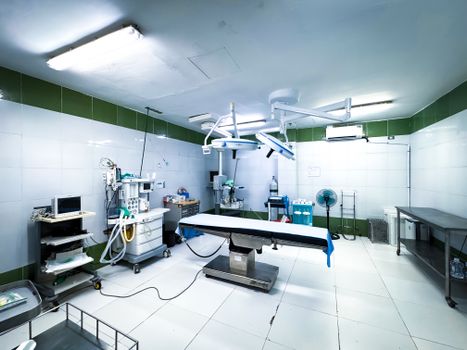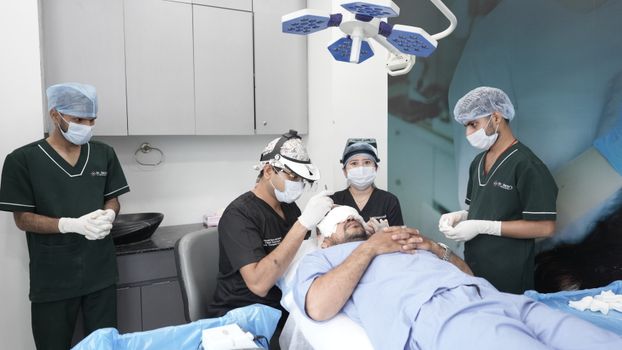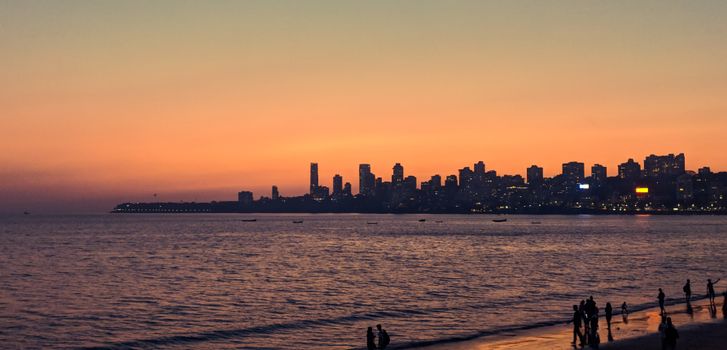
Arriving in Mumbai for medical care can be both exciting and overwhelming, especially if it’s your first time seeking treatment in a foreign country. India’s bustling financial capital is recognized globally for its advanced healthcare facilities, experienced doctors, and cost-effective treatments. But as a foreign patient, knowing what awaits you at your first doctor's visit in Mumbai can make the experience smoother, reduce anxiety, and help you get the most out of your appointment. This article provides a step-by-step overview of what you can expect, how to prepare, and how Mumbai's unique healthcare environment might differ from what you’re used to back home.
The Pre-Appointment Process: Registration and Documentation
Before seeing your doctor, the initial phase involves registration and documentation. In Mumbai, major hospitals and clinics have a streamlined process for international patients, but there are key differences compared to many Western healthcare systems.
Hospitals will require you to fill out a personal information form, provide identification (your passport and visa), and share copies of your medical records, such as previous diagnoses, prescriptions, and imaging results. Some facilities have dedicated International Patient Desks to assist with translation and paperwork.
It's important to note that:
- Over 60% of Mumbai’s top hospitals now offer online pre-registration for foreign patients, saving time upon arrival. - You may be asked to pay a consultation fee upfront, which typically ranges from INR 1,000 to INR 3,000 (approximately USD $12–$36). - Always bring physical and digital copies of your medical history and recent reports; Indian doctors rely heavily on this information for accurate diagnosis.If you’re working with a medical tourism facilitator, they will often handle much of this paperwork for you, but direct hospital communication is always recommended to avoid delays.
Understanding Mumbai’s Doctor-Patient Interaction
Doctor-patient interaction in Mumbai can differ from what you may have experienced elsewhere. Indian doctors are known for their thoroughness, but consultations are often brisk due to high patient volumes.
What you can expect:
- Consultation times typically range from 10 to 20 minutes. - Doctors will ask detailed questions about your symptoms, lifestyle, and medical history. Be ready to answer precisely. - Language is rarely a barrier in Mumbai’s top hospitals; over 80% of doctors are fluent in English, and many facilities offer translators for French, Arabic, Russian, and Mandarin. - Don’t hesitate to ask questions, request clarifications, or take notes. Indian doctors appreciate engaged and informed patients.Cultural differences: In India, it is common for family members to accompany patients, but as a foreigner, you may attend alone or with a companion. The atmosphere tends to be formal but respectful, and doctors are generally open to discussing alternative treatments or second opinions.
Diagnostic Tests: Fast, Efficient, and Affordable
One of the most noticeable aspects of your first doctor’s visit in Mumbai may be the speed at which diagnostic tests are ordered and conducted. Unlike healthcare systems that require separate appointments for labs or imaging, Mumbai hospitals often provide these services immediately after your consultation—sometimes within the same building.
Some important facts:
- Over 70% of Mumbai’s private hospitals have in-house diagnostic labs and radiology centers. - Test costs are significantly lower than in many developed countries. For example, an MRI scan that could cost $1,000+ in the US is typically priced between INR 6,000–10,000 ($72–$120) in Mumbai. - You will usually receive results within 24–48 hours, and in urgent cases, same-day results are common.Here’s a comparison of average diagnostic test costs between Mumbai and select countries:
| Test | Mumbai (INR/USD) | USA (USD) | UK (GBP) | UAE (AED) |
|---|---|---|---|---|
| MRI Scan | 8,000 / $96 | $1,200 | £500 | 2,500 AED |
| Blood Panel | 1,500 / $18 | $150 | £60 | 400 AED |
| X-Ray | 500 / $6 | $100 | £40 | 100 AED |
These lower costs, combined with rapid turnaround, allow for quicker diagnoses and treatment plans.
Medical Records, Prescriptions, and Next Steps
After your consultation and any necessary tests, your doctor will discuss findings and suggest a treatment plan. In Mumbai, the process for receiving and managing medical records and prescriptions is notably efficient.
Key points:
- All major hospitals provide digital copies of your records, which you can access via email or hospital apps—ideal for international patients needing to share updates with doctors back home. - Prescriptions are usually written in English and can be filled at on-site or nearby pharmacies. Mumbai has over 4,000 registered pharmacies, many open 24/7, especially near hospital zones. - If you need medications unavailable in your home country, ask the doctor for international brand equivalents or guidance on import regulations.The doctor will also advise on next steps—further specialist consultations, follow-up appointments, or procedures. Staff will help you schedule these before you leave the facility.
Insurance, Payment, and Financial Considerations
Financial arrangements are a top concern for foreign patients. Mumbai’s healthcare system is primarily private, but the payment process is transparent and straightforward.
What to expect:
- Most hospitals accept international credit cards, wire transfers, and cash (INR). However, not all accept foreign insurance directly. - It’s common to pay for consultations, tests, and medications upfront. For major procedures, hospitals may require a deposit. - If you have travel or international insurance, request an itemized bill for reimbursement. Some hospitals have tie-ups with global insurance networks such as Bupa, Cigna, or Allianz, but always confirm in advance.According to a 2022 FICCI report, 80% of international patients in Mumbai found the billing process clear, but language support and advance cost estimates were highly valued.
Patient Comfort, Support Services, and Logistics
Mumbai’s hospitals are well-equipped to ensure patient comfort, especially for international visitors.
Support services provided include:
- Dedicated international patient coordinators who assist with appointments, transport, and interpretation. - Airport pick-up and drop services, available at over 30 leading hospitals. - Multilingual staff and translators for over a dozen languages. - Assistance with hotel bookings, local SIM cards, and medical visa extensions.Many hospitals also offer dietary accommodations, private waiting areas, and lounges for foreign patients. Wi-Fi, international cuisine, and prayer rooms are increasingly common, reflecting Mumbai’s role as a global medical tourism destination.
Expectations vs. Reality: How Mumbai’s First Visit Compares Globally
For many foreign patients, the efficiency, affordability, and hospitality of Mumbai’s healthcare system is a pleasant surprise. In a recent survey by the Medical Tourism Association, 92% of international patients in Mumbai rated their overall experience as “good” or “excellent,” citing short wait times, clear communication, and comprehensive support.
However, Mumbai’s hospitals can be busier and more hectic than those in smaller cities or less populated countries. Patience and flexibility help, especially when navigating crowded lobbies or peak appointment hours.
Here’s a quick summary of how a first doctor’s visit in Mumbai compares to other global healthcare destinations:
| Aspect | Mumbai | USA | Thailand | Germany |
|---|---|---|---|---|
| Average Wait Time | 10-30 min | 15-45 min | 10-20 min | 20-40 min |
| Consultation Language | English, local, translators | English, Spanish | Thai, English | German, English |
| Test Result Turnaround | 1-2 days | 3-7 days | 1-2 days | 2-5 days |
| Patient Support | Extensive, international desk | Limited | Good, concierge | Moderate |
Final Thoughts: Making the Most of Your First Doctor’s Visit in Mumbai
Your first doctor’s visit in Mumbai as a foreign patient is likely to be efficient, affordable, and supported by a dedicated medical team. By understanding the local process—from paperwork and diagnostic routines to payments and patient support—you can navigate the system confidently and focus on what matters most: your health.
Preparation is key. Ensure you bring all necessary documents, understand your financial commitments, and don’t hesitate to engage hospital support staff for language or logistical concerns. Mumbai’s healthcare professionals are accustomed to international patients and committed to delivering world-class care.
With the right expectations and a little planning, your first medical appointment in Mumbai can be the start of a successful healthcare journey.