Medical tourism is a billion-dollar industry reshaping global healthcare. While many countries have risen as preferred destinations for international patients, Mumbai stands out not only for its affordability and high medical standards but also for the proactive role its hospitals play in driving this phenomenon. From specialized care to seamless patient experiences and global collaborations, Mumbai hospitals are at the heart of India’s medical tourism boom.
How Mumbai Hospitals Attract International Patients
Mumbai, often called the healthcare capital of India, is home to over 3,500 hospitals and clinics. What sets its medical institutions apart is their focus on attracting and accommodating international patients. According to the Ministry of Tourism, India welcomed more than 697,000 medical tourists in 2019, with Mumbai accounting for nearly 20% of these arrivals.
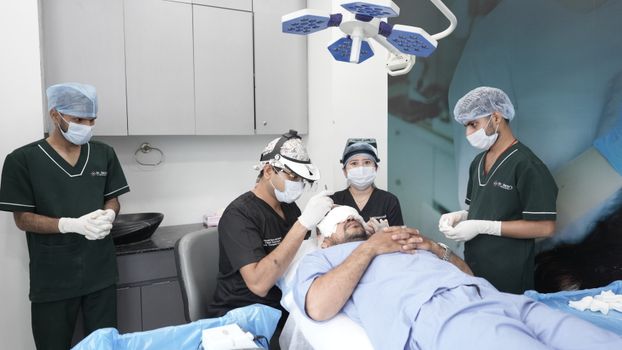
Hospitals in Mumbai have dedicated international patient departments, multilingual staff, and concierge services. Major institutions like Kokilaben Dhirubhai Ambani Hospital, Lilavati Hospital, and Jaslok Hospital offer tailor-made packages for medical tourists. These packages include pre-travel consultations, visa assistance, airport transfers, and post-surgery rehabilitation, ensuring a smooth experience from arrival to departure.
Partnerships with international insurance companies and global patient facilitation agencies further boost Mumbai's attractiveness. The city’s hospitals regularly participate in global healthcare conferences and roadshows, directly engaging with patients and medical facilitators from Africa, the Middle East, Europe, and Southeast Asia.
Centers of Excellence: Specialized Treatments and Advanced Technology
Mumbai hospitals have developed Centers of Excellence in various medical fields. These centers focus on high-demand specialties such as cardiac surgery, oncology, orthopedics, neurosurgery, organ transplantation, and cosmetic surgery. For example, Mumbai’s Asian Heart Institute has performed over 46,000 successful heart surgeries since its inception, with a success rate of 99.4%—one of the highest in Asia.
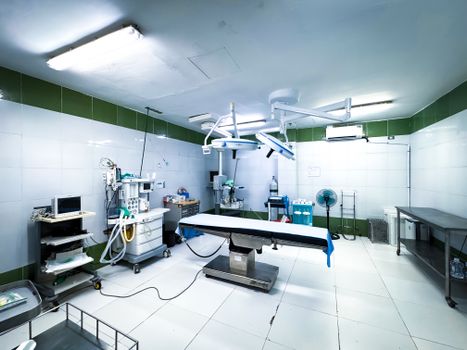
The city is also at the forefront of adopting advanced medical technologies. Hospitals like Hiranandani and Breach Candy are equipped with robotic surgery suites, PET-CT scanners, and minimally invasive surgical tools, matching the standards of leading hospitals in the US and Europe. Mumbai’s Tata Memorial Hospital is ranked among the top cancer centers in Asia, treating over 70,000 new patients annually, including thousands from abroad.
Doctors and surgeons in Mumbai are frequently trained in Western countries, and many are members of international medical boards. This ensures that patients receive care meeting or exceeding global best practices.
Patient Experience: Beyond Treatment
Mumbai hospitals understand that medical tourism is not just about medical care—it’s about the entire patient journey. From the moment a patient lands in the city, hospitals aim to provide holistic support. This includes:
- 24/7 helplines in multiple languages - Dedicated relationship managers for international patients - Assistance with medical visas and travel documentation - In-house interpreters for languages including Arabic, Russian, French, and Swahili - Accommodation arrangements for patients and their families, often within or near hospital premisesMany hospitals offer wellness and recuperation programs, incorporating yoga, Ayurveda, and physiotherapy, catering to diverse cultural needs. Cafeterias serve international cuisine, and spiritual spaces are available for prayer and meditation, recognizing the varied backgrounds of international visitors.
Feedback mechanisms, including online surveys and patient support forums, help institutions constantly improve their offerings. Surveys show that over 88% of international patients treated in Mumbai hospitals rate their overall experience as “excellent” or “very good,” according to a 2023 report by the Indian Healthcare Federation.
Comparing Mumbai Hospitals with Other Medical Tourism Destinations
Mumbai faces competition from cities like Bangkok, Singapore, and Dubai, all of which target global medical travelers. Yet, Mumbai hospitals have distinct advantages in terms of cost, quality, and accessibility, as shown in the table below.
| City | Average Cost of Heart Bypass (USD) | International Accreditation | Annual International Patients | Languages Supported |
|---|---|---|---|---|
| Mumbai | 7,000 | JCI, NABH | 140,000+ | English, Arabic, Russian, French, Swahili, Hindi |
| Bangkok | 15,000 | JCI | 110,000+ | English, Chinese, Arabic, Japanese, Thai |
| Singapore | 23,000 | JCI | 80,000+ | English, Mandarin, Malay, Tamil |
| Dubai | 20,000 | JCI | 120,000+ | English, Arabic, Russian, Urdu |
As the table shows, Mumbai offers the lowest average cost for major surgeries, a wide range of supported languages, and a high volume of international patients. Nearly 40 Mumbai hospitals are accredited by the Joint Commission International (JCI) and India’s own NABH, guaranteeing stringent quality standards.
Public-Private Partnerships and Government Support
The growth of medical tourism in Mumbai is not solely driven by private hospitals. Strategic collaborations between the government and healthcare providers play a crucial role. The Maharashtra Tourism Development Corporation (MTDC) actively promotes medical tourism by organizing international roadshows and maintaining a dedicated medical tourism portal.
The government has also streamlined the medical visa process. In 2022, India issued over 350,000 medical visas, with Mumbai hospitals processing nearly 60,000 of these applications. Visa-on-arrival and e-Medical Visa schemes have made travel for treatment easier and faster.
Public hospitals such as King Edward Memorial Hospital (KEM) and Tata Memorial Hospital offer subsidized rates for certain treatments, making Mumbai accessible for patients from developing countries. These institutions often receive technical support and funding from international organizations like the World Health Organization (WHO), further enhancing their ability to serve global patients.
Challenges and Future Prospects
Despite its strengths, Mumbai’s medical tourism sector faces challenges. Infrastructure limitations, such as traffic congestion and public transport, can impact patient convenience. Some international patients report long waiting times for non-emergency procedures in top-tier hospitals.
To address this, several hospitals are investing in new satellite centers across the city and upgrading facilities with digital health solutions. The adoption of telemedicine platforms has increased by 250% since 2020, allowing pre- and post-treatment consultations for foreign patients without requiring them to travel multiple times.
Looking ahead, Mumbai hospitals are expected to further leverage technology, expand international partnerships, and focus on niche specialties such as fertility treatments and wellness tourism. Industry analysts project that the number of international patients seeking care in Mumbai could grow by 15% annually over the next decade, potentially reaching 250,000 medical tourists per year by 2030.
Conclusion
Mumbai hospitals are not just passive beneficiaries of the medical tourism trend—they are active architects of its growth. By offering specialized care, embracing advanced technology, and focusing on the complete patient experience, these institutions have elevated Mumbai to a leading position on the global healthcare map. With continued investment, strategic partnerships, and a commitment to quality, Mumbai’s hospitals are poised to shape the future of medical tourism, making world-class healthcare accessible to patients from every corner of the globe.