Mumbai Hospitals: Catalysts for Global Medical Tourism Excellence
Medical tourism has emerged as one of the fastest-growing sectors worldwide, with millions of patients crossing borders each year to seek affordable, high-quality healthcare. At the heart of this trend in India is Mumbai, a city that has transformed itself into a global healthcare hub. While much is said about the advantages of cost-effective treatment and the city's rich culture, less attention is paid to the crucial role that Mumbai's hospitals themselves play in shaping, promoting, and driving medical tourism. This article delves deep into how Mumbai hospitals act as the backbone of the city’s medical tourism ecosystem, from investing in world-class infrastructure and pioneering medical expertise to building international patient trust and forging global partnerships.
Building Trust Through Accreditation and International Standards
One of the pivotal ways Mumbai hospitals attract medical tourists is by consistently achieving and maintaining international accreditations. Hospitals such as Kokilaben Dhirubhai Ambani Hospital, Lilavati Hospital, and Jaslok Hospital have obtained certifications from global bodies like the Joint Commission International (JCI) and the National Accreditation Board for Hospitals & Healthcare Providers (NABH). These accreditations act as a stamp of quality, assuring patients from abroad that they will receive care that meets or exceeds global standards.
According to a 2023 report by the Indian Ministry of Tourism, over 80% of foreign patients surveyed cited hospital accreditation as a key factor in choosing their treatment destination. International accreditations require rigorous adherence to protocols in patient safety, infection control, and clinical outcomes—areas where Mumbai hospitals have made substantial investments.
Beyond just acquiring certificates, Mumbai hospitals actively participate in global benchmarking exercises, peer reviews, and quality improvement programs. This commitment to transparency and continual advancement helps foster trust, particularly among patients from developed countries who may be wary about seeking treatment overseas.
Specialized Centers of Excellence: Drawing Patients for Complex Procedures
Mumbai hospitals have strategically developed specialized centers of excellence that cater to a diverse range of complex medical needs. These centers, often dedicated to cardiology, oncology, orthopedics, organ transplantation, and cosmetic surgery, have become magnets for patients from Africa, the Middle East, Southeast Asia, and even Europe and North America.
For instance, the Asian Heart Institute performs over 3,000 cardiac surgeries annually, with a reported 98% success rate. Similarly, Tata Memorial Hospital is recognized globally for its advanced cancer treatment protocols and innovative research, treating over 60,000 new cancer patients every year—10% of whom are international. These institutions not only offer state-of-the-art technology but also bring together multidisciplinary teams comprising top surgeons, specialists, and support staff.
The expertise and experience concentrated in these centers allow Mumbai hospitals to perform high-risk, complex procedures that may not be available or affordable in patients' home countries. This capability is particularly valuable in areas like pediatric heart surgery, robotic joint replacements, and liver transplants—fields where Mumbai’s clinical outcomes rival those of leading hospitals in the West.
Seamless International Patient Services and Multilingual Support
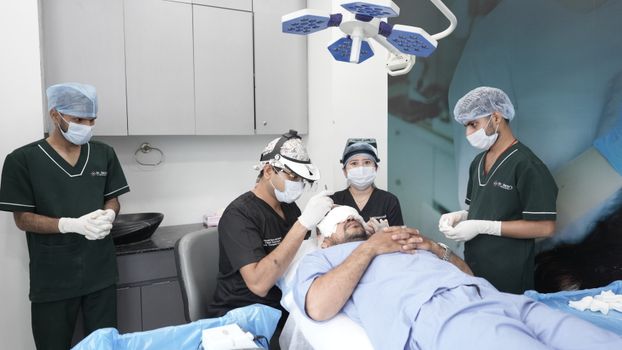
Understanding the unique needs of international patients, Mumbai hospitals have invested heavily in specialized patient services departments. These departments offer end-to-end support, ensuring a smooth and stress-free experience for medical tourists. Services often include visa assistance, airport pickups, dedicated international patient lounges, and help with accommodation and local transportation.
Most major Mumbai hospitals provide multilingual staff and interpreter services to eliminate communication barriers. According to a 2022 survey by the Confederation of Indian Industry (CII), over 70% of international patients in Mumbai cited "excellent language support and patient coordinators" as a key reason for their positive experience.
These patient-focused services go beyond logistics. Many hospitals employ cultural liaisons who understand the sensitivities and preferences of patients from different regions, whether it’s dietary needs, religious observances, or gender-specific care. This personalized approach not only enhances satisfaction but also builds a positive reputation, encouraging word-of-mouth referrals and repeat visits.
Global Collaborations and Telemedicine Outreach
Mumbai hospitals are increasingly forging partnerships with international healthcare providers, insurance companies, and medical tourism facilitators. These collaborations extend their reach and credibility, enabling them to attract patients from further afield.
For example, several hospitals in Mumbai have tie-ups with hospitals in Kenya, Nigeria, and the UAE, facilitating patient referrals, shared medical records, and even joint training programs for healthcare professionals. Such partnerships streamline the process for patients who might otherwise be daunted by the prospect of seeking care overseas.
The adoption of telemedicine has further amplified Mumbai hospitals’ global impact. Consultations and follow-ups can now be conducted remotely, allowing patients to receive expert opinions before traveling and maintain continuity of care after returning home. In 2023 alone, Mumbai’s leading hospitals reported a 40% increase in tele-consultations with overseas patients, according to a study by FICCI.
Investment in Advanced Medical Technology and Innovation
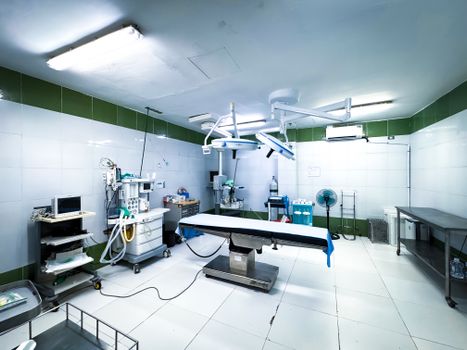
A defining characteristic of Mumbai hospitals is their relentless pursuit of technological advancement. From robotic surgical systems and advanced diagnostic imaging to cutting-edge radiation therapy and minimally invasive techniques, these hospitals invest millions of dollars annually to stay at the forefront of medical innovation.
For example, Kokilaben Dhirubhai Ambani Hospital boasts the first 3-Room Intraoperative MRI Suite in Asia, enabling precise brain surgeries. Fortis Hospital in Mulund is one of the first in India to use the Da Vinci robotic surgery system for complex urological and gynecological procedures. Such infrastructure not only boosts clinical outcomes but also reassures international patients about the quality and safety of care.
To illustrate the technological edge, here’s a comparative table highlighting some of the advanced technologies adopted by leading Mumbai hospitals versus their international counterparts:
| Technology/Facility | Mumbai Hospitals | Leading Western Hospitals |
|---|---|---|
| Robotic Surgery Systems | Available in 8+ major hospitals | Standard in top-tier centers |
| Intraoperative MRI | Asia’s first 3-room suite (Kokilaben) | Widely available in academic centers |
| Telemedicine Platforms | Used for global consults & follow-ups | Standard practice |
| PET-CT & Advanced Imaging | Installed in most multispecialty hospitals | Standard in most large hospitals |
| Organ Transplant Units | Dedicated, high-volume centers | Specialized centers, high volume |
These investments ensure that Mumbai can offer treatments and procedures that match or even surpass those available in many developed countries, often at a fraction of the cost.
Research, Training, and Global Knowledge Exchange
Mumbai hospitals are not just service providers—they are knowledge creators and disseminators. Many institutions are actively involved in clinical research, hosting international conferences, and publishing in reputed medical journals. This emphasis on research not only enhances the reputation of Mumbai’s hospitals but also keeps their clinicians at the cutting edge of medical science.
Hospitals like Tata Memorial and Hinduja Hospital regularly conduct advanced training workshops and fellowship programs, attracting doctors and surgeons from around the world. These academic activities foster a culture of excellence and global best practices, which directly benefit international patients seeking the latest, evidence-based treatments.
Furthermore, Mumbai hospitals participate in global health initiatives, such as the World Health Organization's programs on infectious diseases and cancer. Their involvement in these initiatives positions them as credible, authoritative players in the global healthcare landscape.
The Broader Economic and Social Impact
The ripple effect of Mumbai hospitals’ active promotion of medical tourism extends far beyond healthcare. According to a 2023 report by the Ministry of Commerce & Industry, medical tourism brought in approximately $3 billion in revenue to Mumbai, supporting not just hospitals but also hotels, transport providers, translators, and local businesses.
Employment generation is another significant benefit. It is estimated that for every medical tourist treated in Mumbai, at least 3-4 indirect jobs are created in sectors such as hospitality, travel, and retail. Additionally, the influx of international patients has spurred improvements in urban infrastructure, including better transportation networks and cleaner, safer public spaces.
On a social level, the international recognition earned by Mumbai hospitals raises standards for local patients as well. The drive to meet global benchmarks often leads to system-wide improvements in quality, safety, and patient-centric care—benefiting everyone who seeks treatment in Mumbai.
Final Thoughts: Mumbai Hospitals as Pillars of Medical Tourism Growth
Mumbai hospitals have been instrumental in propelling the city onto the world stage as a premier destination for medical tourism. Through relentless pursuit of excellence, global collaborations, advanced technology, and a keen focus on patient experience, these institutions have set new benchmarks for healthcare delivery in India and beyond. Their efforts not only attract thousands of international patients each year but also drive economic growth, foster innovation, and uplift the overall standards of healthcare in the region.
As the medical tourism industry continues to evolve, the role of Mumbai hospitals will remain central. Their ongoing commitment to quality, innovation, and compassionate care ensures that Mumbai will retain its status as a trusted haven for patients from around the globe.